Gallstones while pregnant can happen because pregnancy hormones may change bile and slow gallbladder emptying. This can make bile thicker and increase the chance of gallstones or gallbladder sludge.
Some pregnant people have gallstones without symptoms. Others may feel upper right abdominal pain, nausea, vomiting, bloating, pain after fatty meals, or pain that spreads to the back or right shoulder.
Gallbladder symptoms during pregnancy should be discussed with a healthcare provider. Severe pain, fever, chills, yellow skin, dark urine, pale stools, or repeated vomiting may need urgent care.
Quick Answer
Gallstones while pregnant are hardened deposits that form in the gallbladder. They can block bile flow and cause pain or digestive symptoms.
Pregnancy can raise the risk because estrogen may increase cholesterol in bile, and progesterone may slow gallbladder emptying. This can allow bile to sit longer and form stones.
Mild symptoms may be managed with medical guidance, diet changes, and monitoring. More serious symptoms may need imaging, hospital care, antibiotics, ERCP, or gallbladder surgery in selected cases.
What Are Gallstones While Pregnant?
Gallstones are hard, stone-like pieces that form in the gallbladder. The gallbladder is a small organ under the liver that stores bile.
Bile helps digest fat. When you eat, the gallbladder releases bile into the small intestine.
During pregnancy, bile can become more concentrated, and the gallbladder may empty more slowly. This can lead to gallbladder sludge or stones.
Why Pregnancy Can Cause Gallstones?
Pregnancy does not directly “cause” gallstones in every person, but it can increase the risk.
Hormonal changes are a major reason. Higher estrogen levels may increase cholesterol in bile. Higher progesterone levels may slow the movement of the gallbladder.
When bile has too much cholesterol or sits too long, small crystals may form. Over time, these crystals can become gallstones.
Main Risk Factors During Pregnancy
Some pregnant people have a higher risk than others. Risk can depend on hormones, weight, genetics, and overall health.
| Risk Factor | Why It May Matter |
| Pregnancy hormones | May increase cholesterol in bile and slow gallbladder emptying |
| Previous pregnancies | Risk may rise with multiple pregnancies |
| Family history | Gallstones can run in families |
| Overweight or obesity | May increase cholesterol in bile |
| Rapid weight changes | May affect bile balance |
| Diabetes or insulin resistance | May affect gallbladder function |
| High-fat, low-fiber diet | May contribute to digestive symptoms |
| Age over 40 | Gallstone risk increases with age |
| Prior gallstones | Symptoms may return during pregnancy |
Symptoms Of Gallbladder Problems In Females And Pregnant Women
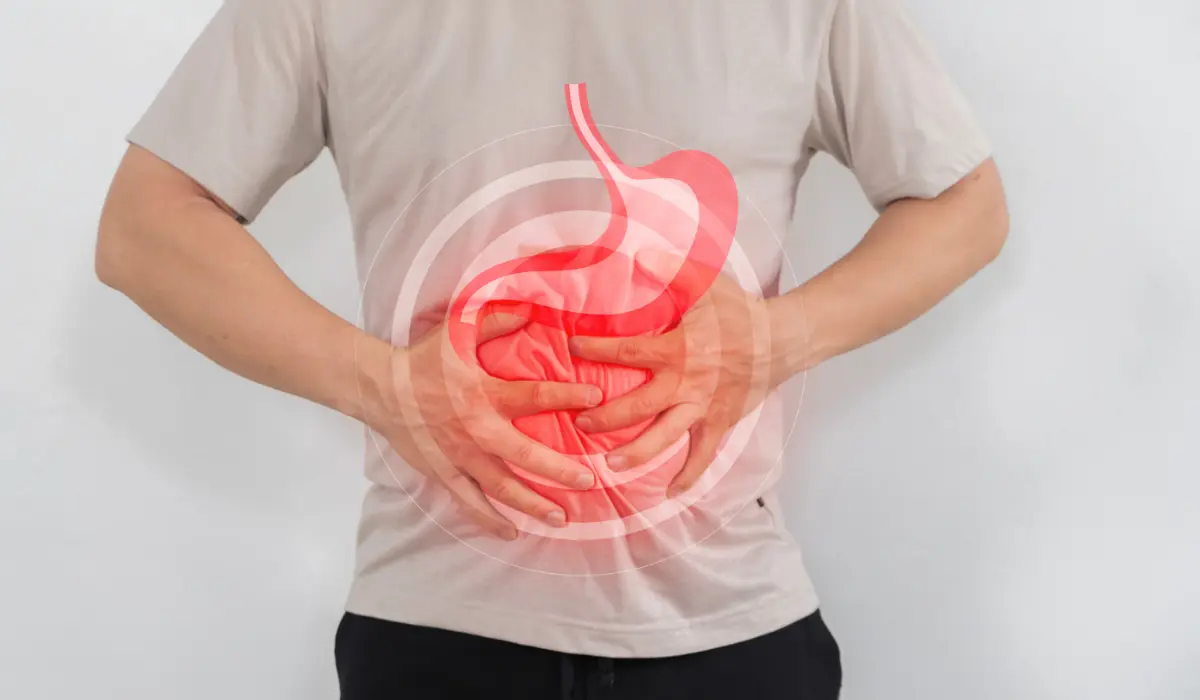
Symptoms of gallbladder problems in females and pregnant women may include upper right abdominal pain, nausea, vomiting, bloating, pain after fatty foods, and pain spreading to the back or right shoulder. During pregnancy, these signs can be confused with normal digestive discomfort, so repeated or severe pain should be checked by a healthcare provider.
Common symptoms may include:
- Upper right abdominal pain
- Pain under the right ribs
- Pain after fatty meals
- Nausea
- Vomiting
- Bloating
- Indigestion
- Pain that spreads to the upper back
- Pain near the right shoulder blade
- Sweating during pain attacks
- Fever or chills
- Yellow skin or eyes
- Dark urine
- Pale or clay-colored stools
Cleveland Clinic notes that gallbladder pain is usually felt in the upper right abdomen and may spread to the back or right shoulder.
What Does A Gallbladder Attack Feel Like In Pregnancy?
A gallbladder attack may feel like sudden, strong pain in the upper right abdomen. The pain may be sharp, squeezing, cramping, or steady.
It may start after eating a fatty or heavy meal. Some attacks happen at night.
The pain may last from minutes to hours. If the pain lasts more than a few hours or comes with fever, jaundice, or repeated vomiting, call your healthcare provider right away.
Is Gallbladder Pain Dangerous During Pregnancy?
Mild gallstone symptoms are not always dangerous, but they should still be checked. Pregnancy can make diagnosis more complex because nausea, vomiting, and abdominal discomfort may have many causes.
Untreated gallbladder blockage or infection can become serious. Possible problems include gallbladder inflammation, bile duct blockage, infection, or pancreatitis.
Pain during pregnancy should not be ignored, especially if it is severe, repeated, or different from normal pregnancy discomfort.
When Gallstones Need Urgent Care?
Get urgent medical help if gallbladder symptoms happen with warning signs.
Red flags include:
- Severe upper abdominal pain
- Pain lasting more than a few hours
- Fever or chills
- Yellow skin or eyes
- Dark urine
- Pale stools
- Repeated vomiting
- Signs of dehydration
- Fainting
- Confusion
- Severe weakness
- Pain with reduced fetal movement
- Pain with vaginal bleeding
- Trouble breathing
How Doctors Diagnose Gallstones While Pregnant?
Doctors usually start with symptoms, medical history, and a physical exam. They may ask where the pain is, when it happens, and whether food triggers it.
Blood tests may check liver function, bilirubin, infection markers, and pancreas enzymes. These tests help look for bile duct blockage, infection, or pancreatitis.
Ultrasound
Ultrasound is often the first imaging test for gallbladder symptoms during pregnancy. It can show gallstones, gallbladder swelling, sludge, and bile duct changes.
Ultrasound does not use ionizing radiation, so it is commonly preferred during pregnancy when imaging is needed.
MRI Or MRCP
MRI or MRCP may be used if ultrasound does not answer the question clearly. MRCP helps show the bile ducts and can help look for stones in the common bile duct.
Your healthcare team will decide which imaging test is safest and most useful based on your symptoms and pregnancy stage.
ERCP
ERCP may be used when doctors strongly suspect a stone is blocking the bile duct. It can help diagnose and remove stones from the duct.
Because ERCP is more invasive, doctors use it only when the benefits outweigh the risks.
Treatment Options During Pregnancy
Treatment depends on symptom severity, test results, trimester, and overall health.
Some people need only monitoring and diet changes. Others may need hospital care if pain is severe, vomiting continues, or there are signs of infection or blockage.
Diet And Symptom Management
For mild symptoms, doctors may recommend smaller meals and lower-fat food choices. This may reduce gallbladder squeezing and help limit attacks.
Do not skip meals or follow a crash diet during pregnancy. Rapid weight loss and poor nutrition can be risky for both parent and baby.
Ask your obstetrician before making major diet changes.
Medicines
A doctor may recommend safe pain relief, nausea treatment, fluids, or antibiotics if infection is suspected.
Do not take over-the-counter pain medicines or supplements without asking your pregnancy care provider.
Gallbladder Surgery During Pregnancy
Gallbladder removal surgery may be needed if symptoms are severe, repeated, or complicated by infection, pancreatitis, or bile duct blockage.
Laparoscopic cholecystectomy is commonly used when surgery is needed. SAGES guidance states that laparoscopic cholecystectomy is generally preferred over nonoperative treatment for biliary disease during pregnancy when surgery is indicated.
The timing depends on the situation. Your obstetrician, surgeon, and anesthesia team will weigh the risks and benefits.
Can Gallstones Affect The Baby?
Mild gallstones may not directly harm the baby. However, severe pain, infection, dehydration, poor nutrition, or untreated complications can affect pregnancy health.
Repeated vomiting can lead to dehydration. Infection or severe inflammation may require hospital care.
That is why persistent or severe symptoms should be checked early. Treating the parent’s condition safely is also important for the baby.
Can Gallstones Go Away After Pregnancy?
Some gallbladder symptoms may improve after delivery as hormone levels change. However, existing gallstones may not disappear.
Some people continue having symptoms postpartum. Others develop symptoms for the first time after pregnancy.
If symptoms continue after delivery, doctors may repeat imaging or discuss treatment options, including gallbladder removal if attacks keep happening.
Diet Tips For Gallstones While Pregnant
Diet cannot dissolve most gallstones, but it may help reduce symptom triggers.
Helpful tips may include:
- Eat smaller meals
- Avoid very greasy foods
- Choose lean protein
- Add fiber-rich foods
- Stay hydrated
- Avoid skipping meals
- Limit fried foods
- Track foods that trigger pain
- Follow pregnancy nutrition advice
- Ask about safe weight goals
Do not use gallbladder cleanses during pregnancy. They are not proven safe and may delay medical care.
Foods That May Trigger Symptoms
Some foods may trigger gallbladder pain in sensitive people, especially if stones block bile flow.
Possible triggers include:
- Fried foods
- Greasy fast foods
- Heavy cream sauces
- Fatty cuts of meat
- Large high-fat meals
- Very rich desserts
- Butter-heavy foods
- Processed high-fat snacks
Triggers vary. Keeping a food and symptom diary may help you discuss patterns with your doctor.
Recovery After A Gallbladder Attack
After a mild attack, symptoms may improve once the blockage moves or the gallbladder relaxes. However, attacks can return.
Rest, hydration, and following your doctor’s instructions may help during recovery. If vomiting, fever, jaundice, or severe pain occurs, seek care.
If attacks keep happening, your healthcare provider may recommend more testing or discuss surgery.
Questions To Ask Your Doctor
If you have gallstones while pregnant, ask clear questions so you understand your options.
Helpful questions include:
- Do my symptoms sound like gallstones?
- Do I need a gallbladder ultrasound?
- Are my liver or pancreas blood tests normal?
- Is there a stone in the bile duct?
- What symptoms mean urgent care?
- What pain medicine is safe during pregnancy?
- Should I change my diet?
- Is surgery needed now or after delivery?
- Is ERCP needed?
- How can we protect pregnancy health during treatment?
These questions can help you make informed decisions with your care team.
Prevention Tips During Pregnancy
You cannot prevent every gallstone, especially if hormones or family history play a role. Still, some habits may support gallbladder health.
Helpful steps may include:
- Eat regular meals
- Avoid crash dieting
- Choose fiber-rich foods
- Limit very greasy meals
- Stay active if approved by your doctor
- Manage diabetes or insulin resistance
- Follow healthy pregnancy weight guidance
- Drink enough fluids
- Report repeated upper abdominal pain early
Conclusion
Gallstones while pregnant can happen because pregnancy hormones may increase cholesterol in bile and slow gallbladder emptying. This can make stones or sludge more likely to form.
Symptoms may include upper right abdominal pain, nausea, vomiting, bloating, pain after fatty foods, and pain that spreads to the back or right shoulder. More serious signs include fever, chills, jaundice, dark urine, pale stools, or severe pain.
If you think you have gallbladder symptoms during pregnancy, speak with your healthcare provider. Early diagnosis can help protect both parent and baby and reduce the risk of complications.
FAQs
Gallstones while pregnant are hard deposits that form in the gallbladder during pregnancy. They may cause pain, nausea, vomiting, or bile blockage.
Pregnancy hormones may increase cholesterol in bile and slow gallbladder emptying. This can make stones or sludge more likely.
It often feels like sharp, steady, or cramping pain in the upper right abdomen. It may spread to the back or right shoulder.
They can be dangerous if they cause infection, blocked bile ducts, pancreatitis, dehydration, or severe repeated pain. Medical evaluation is important.
Doctors may use symptoms, blood tests, and ultrasound. MRI or MRCP may be used if more detail is needed.
Yes, surgery may be considered when symptoms are severe or complicated. Your obstetrician and surgeon will weigh benefits and risks.
Very greasy, fried, or high-fat meals may trigger symptoms. Ask your healthcare provider for pregnancy-safe diet guidance.
Symptoms may improve after delivery, but stones may remain. Some people continue to have attacks postpartum and need treatment.
Go urgently for severe pain, fever, chills, jaundice, dark urine, pale stools, repeated vomiting, dehydration, or reduced fetal movement.
Mild gallstones may not directly affect the baby, but severe infection, dehydration, or complications can affect pregnancy health.
References:
- NIDDK – Definition And Facts For Gallstones
https://www.niddk.nih.gov/health-information/digestive-diseases/gallstones/definition-facts - Cleveland Clinic – Gallbladder Pain
https://my.clevelandclinic.org/health/symptoms/23355-gallbladder-pain - NIDDK – Gallstones Diagnosis
https://www.niddk.nih.gov/health-information/digestive-diseases/gallstones/diagnosis