Gallstones often form when bile contains too much cholesterol or bilirubin, or when the gallbladder does not empty properly. Women have a higher risk because estrogen, pregnancy, hormone therapy, weight changes, obesity, diabetes, age, and family history can all affect bile and gallbladder function.
Gallstones are hard, pebble-like pieces of material that form inside the gallbladder. Some are tiny like grains of sand, while others can become larger. Many gallstones do not cause symptoms, but they can cause pain if they block bile flow.
Understanding why gallstones happen can help women recognize risk factors, notice symptoms early, and know when to seek medical care.
Quick Answer
Gallstones in women are usually caused by changes in bile balance. Bile is a digestive fluid that helps break down fat.
If bile has too much cholesterol, too much bilirubin, or not enough bile salts, stones may form. Stones can also develop when the gallbladder does not empty often enough.
Women are more likely to develop gallstones because estrogen can increase cholesterol in bile and slow gallbladder emptying. Pregnancy, birth control pills, hormone therapy, rapid weight loss, and obesity may increase risk.
What Are Gallstones?
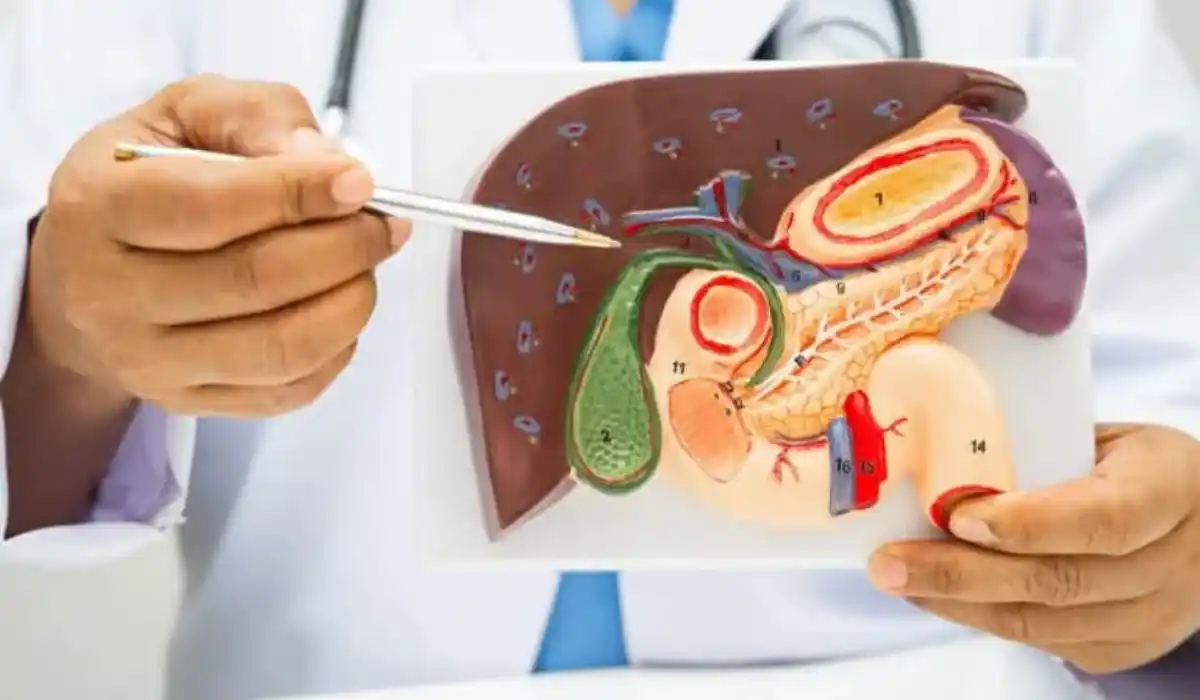
Gallstones are hardened deposits that form in the gallbladder. The gallbladder is a small organ under the liver that stores bile.
Bile helps the body digest fats. When you eat, the gallbladder squeezes bile into the small intestine.
If bile becomes too concentrated or unbalanced, solid particles can form. Over time, these particles may grow into gallstones.
Why Are Women More Likely To Get Gallstones?
Women have a higher risk of gallstones than men. Hormones are one important reason.
Estrogen can raise the amount of cholesterol in bile. Progesterone may slow gallbladder emptying. Together, these changes can make stones more likely.
This is why risk may increase during pregnancy, with birth control pills, or with hormone replacement therapy. Risk can also rise with age, weight gain, diabetes, and family history.
Main Causes Of Gallstones In Women
Gallstones can form for several reasons. Most cases are linked to bile imbalance, gallbladder emptying problems, or underlying risk factors.
| Cause Or Risk Factor | How It May Increase Risk |
| High cholesterol in bile | Cholesterol can harden into stones |
| Too much bilirubin | Pigment stones may form |
| Poor gallbladder emptying | Bile sits too long and becomes concentrated |
| Estrogen | May raise cholesterol in bile |
| Pregnancy | Hormones can slow gallbladder movement |
| Rapid weight loss | Liver may release extra cholesterol into bile |
| Obesity | May increase cholesterol levels in bile |
| Diabetes | May affect bile and gallbladder function |
| Family history | Genetics can increase risk |
| Age over 40 | Risk rises with age |
Too Much Cholesterol In Bile
Cholesterol gallstones are the most common type. They form when bile contains more cholesterol than it can dissolve.
Normally, bile carries cholesterol in liquid form. If cholesterol levels become too high, crystals can form and grow into stones.
This does not always mean a person has high blood cholesterol. Bile cholesterol and blood cholesterol are related but not exactly the same.
Too Much Bilirubin
Bilirubin is a yellowish substance made when the body breaks down red blood cells. The liver uses bile to help remove bilirubin.
If there is too much bilirubin in bile, pigment stones may form. These stones are often darker than cholesterol stones.
Pigment stones may be linked with liver disease, bile duct infections, or certain blood disorders.
Poor Gallbladder Emptying
The gallbladder needs to empty bile regularly. If it does not empty well, bile can become too concentrated.
Concentrated bile may allow crystals to form. These crystals can slowly become gallstones.
Poor emptying may happen with pregnancy, fasting, skipping meals, rapid weight loss, or certain medical conditions.
Pregnancy And Gallstones
Pregnancy can increase the risk of gallstones. Hormone changes can affect both bile composition and gallbladder movement.
Higher estrogen may increase cholesterol in bile. Progesterone may relax smooth muscle, which can slow gallbladder emptying.
Some women develop symptoms during pregnancy or soon after delivery. Upper right abdominal pain, vomiting, fever, or jaundice during pregnancy should be checked quickly.
Birth Control Pills And Hormone Therapy
Some hormone medicines may increase gallstone risk in certain women. This includes estrogen-containing birth control pills and hormone replacement therapy.
The risk is not the same for everyone. Age, weight, pregnancy history, family history, and other health conditions also matter.
Women who already have gallstones or gallbladder symptoms should discuss hormone medicines with their healthcare provider.
Obesity And Weight Changes
Obesity is a major risk factor for gallstones. Higher body weight may increase cholesterol in bile and affect how the gallbladder works.
Rapid weight loss can also raise risk. When the body breaks down fat quickly, the liver may release more cholesterol into bile.
This is why crash dieting, very low-calorie diets, and fast weight loss after bariatric surgery can increase the chance of gallstone formation.
Diabetes And Metabolic Health
Diabetes may increase gallstone risk. People with diabetes often have higher triglycerides and changes in gallbladder movement.
Insulin resistance, obesity, and metabolic syndrome may also play a role. These conditions can affect bile balance and digestion.
Managing blood sugar, weight, and cholesterol-related risk factors may support overall gallbladder health.
Diet And Meal Patterns
Diet alone does not cause every gallstone, but eating patterns may affect risk. Diets high in unhealthy fats and low in fiber may contribute to gallbladder problems.
Skipping meals or fasting for long periods may also increase risk because the gallbladder does not empty as often.
A balanced diet with fiber-rich foods, regular meals, healthy fats, and gradual weight management may help reduce risk.
Family History And Genetics
Gallstones can run in families. If a parent or sibling has had gallstones, your own risk may be higher.
Genes can affect bile composition, cholesterol handling, and gallbladder function. Family history does not mean you will definitely develop stones, but it can increase risk.
If gallstones are common in your family, pay attention to symptoms and discuss your risk with a healthcare provider.
Common Symptoms Of Gallstones In Women
Many gallstones cause no symptoms. These are sometimes called silent gallstones.
Symptoms usually happen when a stone blocks bile flow. This can trigger a gallbladder attack.
Common symptoms may include:
- Upper right abdominal pain
- Pain in the upper middle abdomen
- Pain after fatty meals
- Pain that spreads to the back
- Pain near the right shoulder blade
- Nausea
- Vomiting
- Bloating
- Indigestion
- Fever or chills
- Yellow skin or eyes
- Dark urine
- Pale stools
What Does Gallbladder Pain Feel Like?
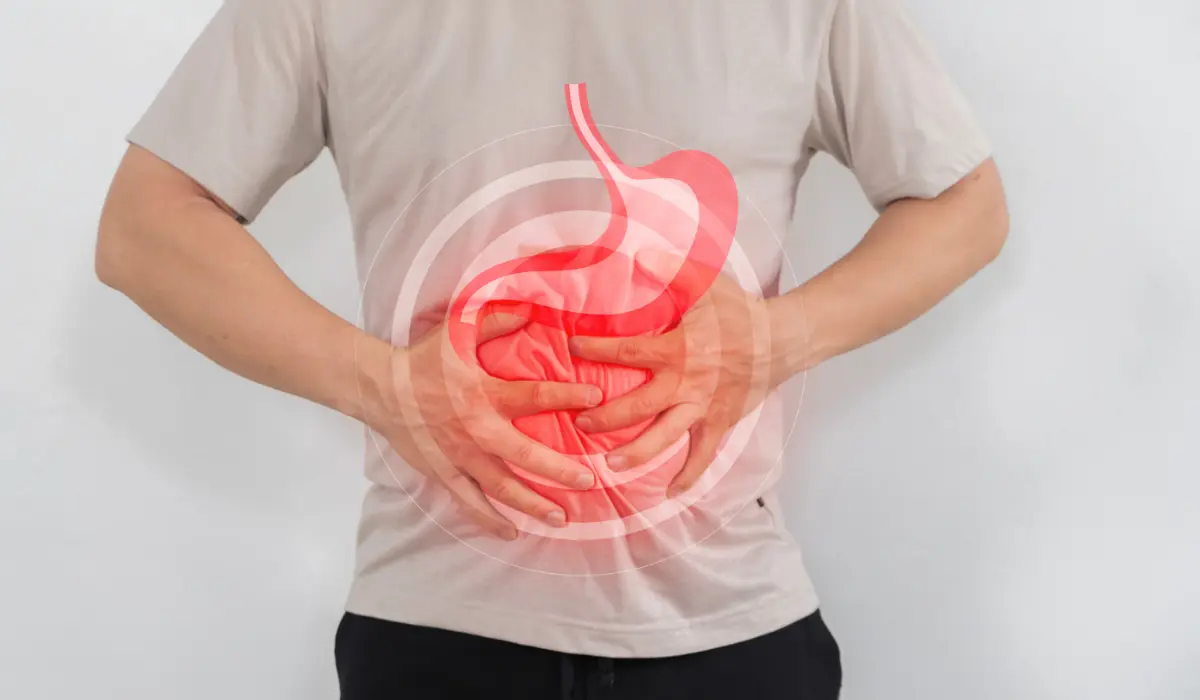
Gallbladder pain may feel sharp, steady, cramping, squeezing, or deep. It often starts in the upper right abdomen under the ribs.
The pain may come after eating, especially after a fatty or heavy meal. Some attacks happen at night.
Pain can last from minutes to hours. If it lasts more than a few hours, becomes severe, or comes with fever or jaundice, medical care is needed.
Diagnosis And Tests
Doctors diagnose gallstones by reviewing symptoms, medical history, physical exam findings, blood tests, and imaging tests. Gallstone pain can sometimes feel similar to pancreas-related pain. Rare conditions such as autoimmune pancreatitis may also cause upper abdominal symptoms, so doctors may use blood tests, ultrasound, CT, or MRI to find the true cause.
Blood Tests
Blood tests may check for infection, inflammation, liver problems, bile duct blockage, or pancreas irritation.
Abnormal liver enzymes or bilirubin may suggest blocked bile flow.
Ultrasound
Ultrasound is often the first imaging test used to look for gallstones. It can show stones, gallbladder swelling, and bile duct changes.
This test is noninvasive and does not use radiation.
CT Scan, MRI, HIDA Scan, Or ERCP
Some people may need more testing. CT scan or MRI may help check complications or other causes of pain.
A HIDA scan can show how well the gallbladder empties. ERCP may be used when doctors suspect a stone is stuck in the bile duct.
Treatment Options
Treatment depends on whether gallstones cause symptoms or complications.
Silent gallstones may not need treatment. If stones cause repeated pain, infection, bile duct blockage, or pancreatitis, treatment is usually needed.
Gallbladder Removal Surgery
The most common treatment for symptomatic gallstones is gallbladder removal surgery, called cholecystectomy.
Most surgeries are done with small cuts using laparoscopic methods. Many people go home the same day or after a short hospital stay.
Nonsurgical Options
Nonsurgical options may be used in limited cases. Medicines can sometimes dissolve certain cholesterol stones, but they may take months or years and stones can return.
ERCP may remove stones from the bile duct, but it does not remove stones inside the gallbladder.
Recovery Or Long-Term Outlook
Most people can live normally without a gallbladder. The liver still makes bile, but bile flows more directly into the small intestine.
Some people notice temporary diarrhea, bloating, or trouble with fatty foods after surgery. These symptoms often improve with time.
Long-term outlook is usually good when gallbladder disease is treated before serious complications develop.
Possible Risks And Complications
Untreated gallstones can sometimes cause serious problems.
Possible complications include:
- Gallbladder inflammation
- Gallbladder infection
- Blocked bile duct
- Jaundice
- Pancreatitis
- Liver infection
- Severe abdominal infection
- Repeated gallbladder attacks
Not everyone with gallstones develops complications. Still, warning signs should not be ignored.
When To See A Doctor?
See a healthcare provider if you have repeated upper right abdominal pain, pain after meals, nausea, vomiting, bloating, or pain spreading to the back or right shoulder.
Get urgent medical care if you have:
- Severe abdominal pain
- Pain lasting more than a few hours
- Fever or chills
- Yellow skin or eyes
- Dark urine
- Pale stools
- Repeated vomiting
- Confusion
- Fainting
- Pain during pregnancy
- Signs of dehydration
These symptoms may suggest blocked bile flow, infection, or inflammation.
Prevention And Lifestyle Tips
You cannot prevent every gallstone, especially if family history or hormones play a role. Still, some habits may lower risk.
Helpful steps include:
- Maintain a healthy weight
- Avoid rapid weight loss
- Eat regular meals
- Avoid skipping meals
- Choose fiber-rich foods
- Limit very greasy meals
- Stay physically active
- Manage diabetes
- Discuss hormone therapy risks with your doctor
- Lose weight slowly if weight loss is needed
Avoid extreme diets and gallbladder cleanses. They are not a proven safe solution for gallstones.
Questions To Ask Your Doctor
If you are worried about gallstones, ask clear questions during your visit.
Helpful questions include:
- Could my symptoms be caused by gallstones?
- Do I need an ultrasound?
- Are my liver or pancreas blood tests normal?
- Do I have stones in the gallbladder or bile duct?
- Do I need surgery?
- Can pregnancy or hormones affect my risk?
- What foods should I avoid for now?
- What symptoms mean urgent care?
- Can I live normally without a gallbladder?
- How can I lower my chance of future problems?
These questions can help you understand your diagnosis and treatment choices.
Conclusion
So, what causes gallstones in women? The main causes include too much cholesterol or bilirubin in bile, poor gallbladder emptying, estrogen effects, pregnancy, obesity, rapid weight loss, diabetes, age, diet patterns, and family history.
Many gallstones do not cause symptoms. When symptoms happen, they often include upper right abdominal pain, nausea, vomiting, bloating, pain after fatty meals, and pain that spreads to the back or right shoulder.
Women should seek medical care for severe pain, fever, chills, jaundice, dark urine, pale stools, or repeated vomiting. Early diagnosis and treatment can help prevent serious complications.
FAQs
Gallstones in women may form from too much cholesterol or bilirubin in bile, poor gallbladder emptying, hormones, pregnancy, obesity, or rapid weight loss.
Women have higher risk partly because estrogen can increase cholesterol in bile and pregnancy can slow gallbladder emptying.
Pregnancy can increase risk because hormone changes may affect bile and slow gallbladder movement. Symptoms should be discussed with a doctor.
Estrogen-containing birth control may increase risk in some women. Personal risk depends on age, weight, family history, and health conditions.
Yes. Rapid weight loss can make the liver release more cholesterol into bile, which may increase gallstone formation.
Fatty, greasy, fried, or heavy meals may trigger symptoms when gallstones block bile flow or irritate the gallbladder.
Early symptoms may include upper right abdominal pain, nausea, bloating, indigestion, and pain after fatty meals.
Doctors may use medical history, physical exam, blood tests, ultrasound, CT, MRI, HIDA scan, or ERCP if needed.
No. Silent gallstones may not need treatment. Surgery is often considered when stones cause pain, infection, blockage, or complications.
Seek urgent care for severe pain, fever, chills, jaundice, dark urine, pale stools, repeated vomiting, fainting, or pain during pregnancy.
References
- NIDDK – Gallstones Definition And Facts
https://www.niddk.nih.gov/health-information/digestive-diseases/gallstones/definition-facts - NIDDK – Gallstones Symptoms And Causes
https://www.niddk.nih.gov/health-information/digestive-diseases/gallstones/symptoms-causes