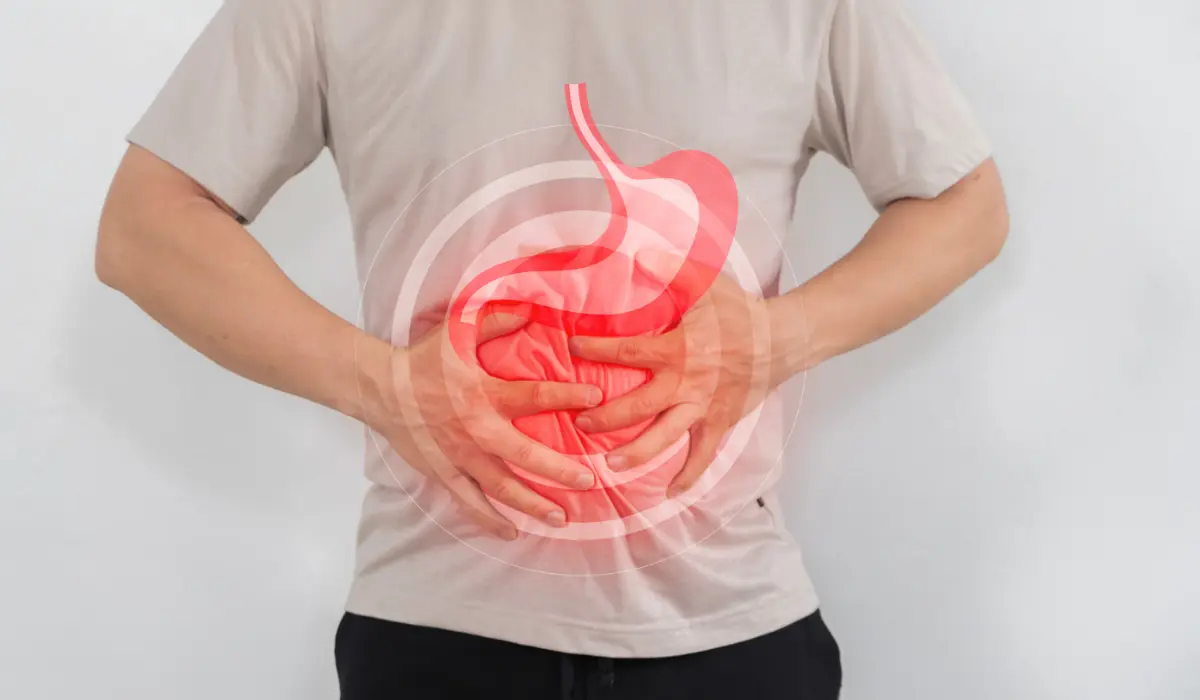
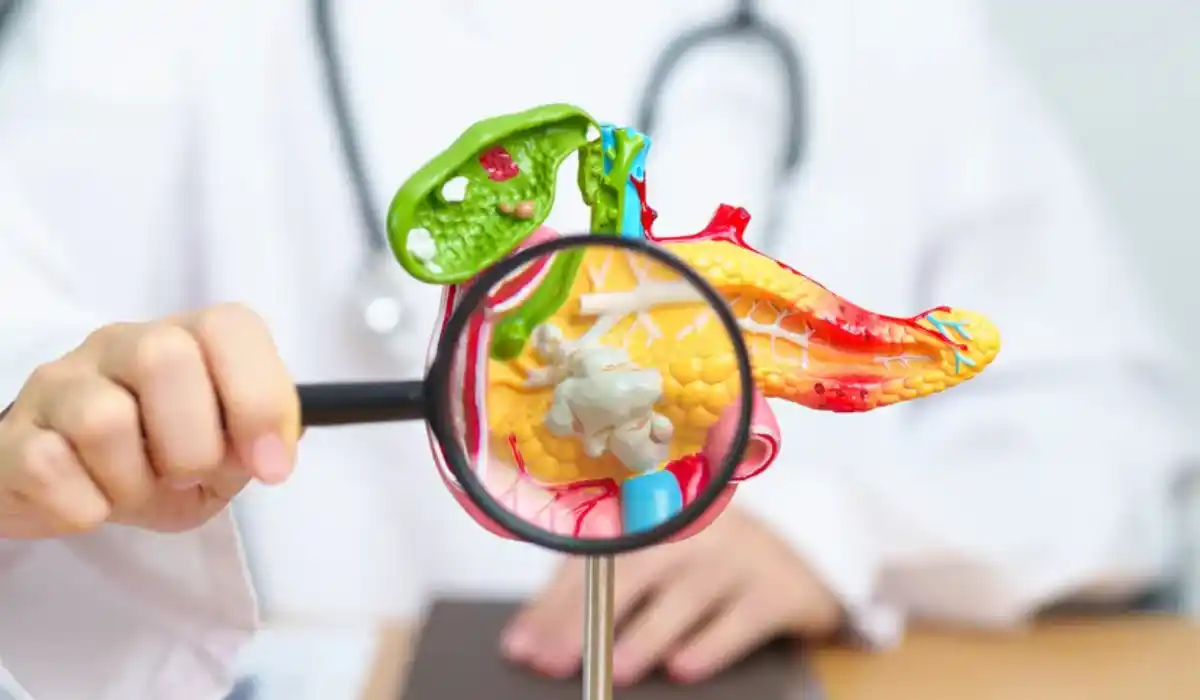
Autoimmune pancreatitis is a rare type of long-term pancreas inflammation. It happens when the immune system appears to attack the pancreas by mistake. This can lead to swelling, jaundice, digestive problems, weight loss, or imaging changes that may look similar to pancreatic cancer.
This condition can be hard to diagnose because symptoms are sometimes mild or unclear. Some people have few signs at first, while others develop yellowing of the skin, dark urine, pale stools, abdominal discomfort, or unexplained weight loss.
The good news is that this immune-related pancreatic disorder often responds well to steroid treatment when properly diagnosed. Still, careful medical evaluation is important because it can mimic serious diseases and may affect other organs.
What Is Autoimmune Pancreatitis?
Autoimmune pancreatitis is a form of chronic pancreatitis linked to abnormal immune system activity. The pancreas becomes inflamed, swollen, and sometimes narrowed or scarred.
The pancreas sits behind the stomach. It helps digest food by making enzymes and helps control blood sugar by producing hormones such as insulin.
When immune inflammation affects the pancreas, it can disturb digestion, block bile flow, or cause symptoms that resemble other pancreatic diseases. Doctors usually need blood tests, imaging, and sometimes biopsy before confirming the diagnosis.
Types Of This Pancreatic Disorder
There are two main types: type 1 and type 2. Both affect the pancreas, but they have different patterns.
Type 1 Disease
Type 1 disease is often linked with IgG4-related disease. This means inflammation may affect more than the pancreas.
It may also involve the bile ducts, salivary glands, kidneys, lymph nodes, gallbladder, or other tissues. This type is more likely to come back after treatment.
Type 2 Disease
Type 2 disease usually affects only the pancreas. It is not strongly linked with IgG4-related disease.
This type may be associated with inflammatory bowel disease, especially ulcerative colitis. Relapse is generally less common than in type 1 disease.
Symptoms To Watch For
Symptoms can vary from person to person. Some people have mild symptoms, while others develop signs of bile duct blockage or pancreas inflammation.
Common symptoms may include:
- Yellow skin or eyes
- Dark urine
- Pale or greasy stools
- Abdominal pain or discomfort
- Back pain
- Nausea
- Unexplained weight loss
- Loss of appetite
- Fatigue
- New or worsening diabetes
- Itchy skin
- Digestive trouble
Jaundice is one of the most noticeable signs. It may happen when inflammation blocks bile flow.
What Causes This Condition?
The exact cause is not fully known. Experts believe it happens when the immune system attacks healthy pancreas tissue by mistake.
This immune reaction can lead to inflammation, swelling, and scarring. In type 1 disease, the process may be part of IgG4-related disease, which can affect multiple organs.
Genes, immune system changes, and other health conditions may play a role. However, this condition is not usually caused by diet, alcohol, or gallstones in the same way as many other types of pancreatitis.
How It Can Mimic Pancreatic Cancer?
This pancreatic disorder can sometimes look like pancreatic cancer. That is one reason diagnosis must be handled carefully.
Both conditions may cause jaundice, weight loss, abdominal discomfort, bile duct narrowing, and a mass-like appearance on imaging. Because of these similarities, doctors often need several tests before deciding the cause.
The difference is very important. Immune-related pancreatic inflammation often improves with corticosteroids, while pancreatic cancer needs a very different treatment plan. No one should assume a pancreatic finding is harmless without proper medical evaluation.
How Doctors Make The Diagnosis?
Doctors usually make the diagnosis by combining several clues. No single test is perfect for every person.
A full evaluation may include symptoms, blood tests, imaging results, pancreatic duct findings, biopsy, response to steroids, and signs of other organ involvement.
Blood Tests
Blood tests may check liver function, pancreatic enzymes, inflammation markers, blood sugar, and IgG4 levels.
High IgG4 can support type 1 disease, but it does not prove the diagnosis by itself. Some people with this condition may not have high IgG4, and some other diseases can also raise IgG4.
Imaging Tests
Doctors may use CT scan, MRI, MRCP, ultrasound, or endoscopic ultrasound to examine the pancreas and bile ducts.
Imaging may show pancreatic enlargement, bile duct narrowing, pancreatic duct changes, or a mass-like area. These findings help guide further testing, but they must be interpreted carefully.
Biopsy
A biopsy may be needed when cancer cannot be ruled out. During biopsy, a small tissue sample is collected and examined under a microscope.
This can help doctors look for inflammation patterns, IgG4-related changes, or signs of cancer.
Response To Steroids
In some cases, doctors may monitor whether the pancreas improves after steroid therapy. A strong response can support the diagnosis.
However, steroid treatment should not be started casually before cancer is reasonably excluded. This decision should be made by a specialist.
Treatment Options
Treatment depends on symptoms, test results, organ involvement, and relapse risk. Many people respond well to corticosteroid medicine.
Corticosteroids
Steroids are commonly used as first-line treatment. They help calm immune inflammation and may improve symptoms within weeks.
Doctors may start with a higher dose and slowly reduce it over time. Follow-up testing helps check whether the pancreas and bile ducts are improving.
Maintenance Treatment
Some people, especially those with type 1 disease, may relapse after stopping steroids. In those cases, doctors may consider longer treatment or medicines that help control the immune system.
Treatment plans are individualized. Long-term steroid use can cause side effects, so doctors balance benefit and risk.
Bile Duct Treatment
If bile duct blockage causes severe jaundice, some people may need endoscopic treatment or temporary stent placement.
This helps bile drain properly while inflammation is being treated. Not every patient needs a stent.
Can This Condition Come Back?
Yes, it can come back after treatment. Relapse is more common in type 1 disease than in type 2 disease.
Signs of relapse may include jaundice, abdominal discomfort, abnormal liver tests, new imaging changes, or symptoms in other organs.
Regular follow-up is important. Your doctor may recommend repeat blood tests, imaging, or specialist visits to watch for recurrence.
Possible Complications
Autoimmune pancreatitis can cause complications if it is not diagnosed or treated properly.
Possible complications include:
- Bile duct narrowing
- Repeated jaundice
- Pancreatic duct narrowing
- Digestive enzyme problems
- Diabetes
- Weight loss
- Relapse after treatment
- Unnecessary surgery if mistaken for cancer
- Other organ involvement in type 1 disease
Early and accurate diagnosis can reduce the risk of complications.
Diet And Lifestyle Support
Diet does not cure this condition, but healthy habits may support digestion and recovery. Follow your doctor’s advice based on your symptoms and pancreas function.
Some people may need smaller meals, lower-fat foods, hydration, and nutrition support. If the pancreas does not make enough digestive enzymes, a doctor may prescribe pancreatic enzyme replacement.
Avoid heavy alcohol use and smoking because they can harm the pancreas and worsen overall health. If you have diabetes, blood sugar control is also important.
When To See A Doctor?
See a healthcare provider if you have symptoms that may suggest pancreas or bile duct problems.
Call a doctor if you notice:
- Yellow skin or eyes
- Dark urine
- Pale stools
- Unexplained weight loss
- Ongoing abdominal pain
- Back pain with digestive symptoms
- Greasy stools
- New diabetes symptoms
- Loss of appetite
- Persistent nausea
Seek urgent care for severe abdominal pain, fever, confusion, fainting, vomiting that will not stop, or signs of severe dehydration.
Questions To Ask Your Doctor
If your doctor suspects autoimmune pancreatitis, ask clear questions so you understand the next steps.
Helpful questions include:
- Do my symptoms suggest this condition or another disease?
- Do I need CT, MRI, MRCP, or endoscopic ultrasound?
- Should IgG4 levels be checked?
- Is pancreatic cancer fully ruled out?
- Do I need a biopsy?
- Which type do I have?
- Will I need steroids?
- How will we monitor relapse?
- Do I need a gastroenterologist or pancreatic specialist?
These questions can help you make informed decisions.
Conclusion
Autoimmune pancreatitis is a rare inflammatory condition where the immune system appears to attack the pancreas. It can cause jaundice, abdominal symptoms, weight loss, digestive changes, and imaging findings that may resemble pancreatic cancer.
Diagnosis often requires a careful combination of blood tests, imaging, biopsy, and specialist evaluation. This is important because treatment differs greatly from other pancreatic diseases.
With proper diagnosis, this condition often improves with corticosteroid treatment. Follow-up matters because relapse can happen, especially in type 1 disease.
FAQs
Autoimmune pancreatitis is a rare type of chronic pancreas inflammation linked to abnormal immune system activity. It may cause swelling, jaundice, or digestive symptoms.
It can be serious if untreated or misdiagnosed. It may mimic pancreatic cancer, block bile ducts, or involve other organs.
Common symptoms include jaundice, dark urine, pale stools, abdominal discomfort, back pain, weight loss, fatigue, and digestive problems.
Many people improve with steroid treatment, but relapse can happen. Some patients need long-term monitoring or additional treatment.
Type 1 disease is often linked with IgG4-related disease and may affect the bile ducts, kidneys, salivary glands, lymph nodes, or other organs.
Type 2 disease mainly affects the pancreas and may be linked with inflammatory bowel disease. It is less likely to relapse than type 1.
Yes. It can resemble pancreatic cancer on imaging and may cause similar symptoms such as jaundice and weight loss.
Diagnosis may include blood tests, IgG4 testing, CT, MRI, MRCP, endoscopic ultrasound, biopsy, and response to steroid treatment.
Corticosteroids are commonly used as first-line treatment. Some people may need maintenance therapy if symptoms come back.
See a doctor for jaundice, unexplained weight loss, ongoing abdominal pain, pale stools, dark urine, or new digestive symptoms.
References
- Mayo Clinic – Autoimmune Pancreatitis
https://www.mayoclinic.org/diseases-conditions/autoimmune-pancreatitis/symptoms-causes/syc-20369800 - NCBI Bookshelf – Autoimmune Pancreatitis
https://www.ncbi.nlm.nih.gov/books/NBK560769/