Can you live without a pancreas? Yes, you can live without a pancreas, but you will need lifelong medical care. After total pancreas removal, the body can no longer make enough insulin or digestive enzymes, so most people need insulin therapy, pancreatic enzyme replacement, nutrition support, and regular follow-up.
The pancreas helps control blood sugar and digest food. When all or part of it is removed, daily life changes. A person may need to monitor blood sugar, take enzyme capsules with meals, adjust diet, and work closely with a medical team.
Pancreas removal is usually done only for serious conditions such as pancreatic cancer, severe chronic pancreatitis, pancreatic cysts, tumors, or major injury. Many people can adapt after surgery, but long-term management is essential.
Quick Answer: Life Without A Pancreas
A person can survive without a pancreas because modern treatments can replace some of the organ’s most important functions. Insulin can help control blood sugar, while pancreatic enzyme replacement can help digest food.
Still, life without a pancreas is not the same as before surgery. The body needs daily support to manage diabetes, digestion, nutrition, and weight.
The outlook depends on why the pancreas was removed, how much was removed, overall health, age, cancer stage if present, and how well long-term care is managed.
What Changes Without A Pancreas?
| Area | What Changes After Pancreas Removal |
| Blood sugar | Lifelong insulin is usually needed after total removal |
| Digestion | Enzyme capsules are usually needed with meals and snacks |
| Diet | Meal planning becomes important |
| Weight | Poor digestion may cause weight loss if enzymes are not managed |
| Vitamins | Fat-soluble vitamins may need monitoring |
| Recovery | Healing may take weeks to months |
| Long-term care | Follow-up with diabetes and digestive specialists is needed |
| Life expectancy | Depends on the reason for surgery and overall health |
This table gives a simple view of the main changes. Your own experience may be different based on the type of surgery and your medical condition.
What Does The Pancreas Do?
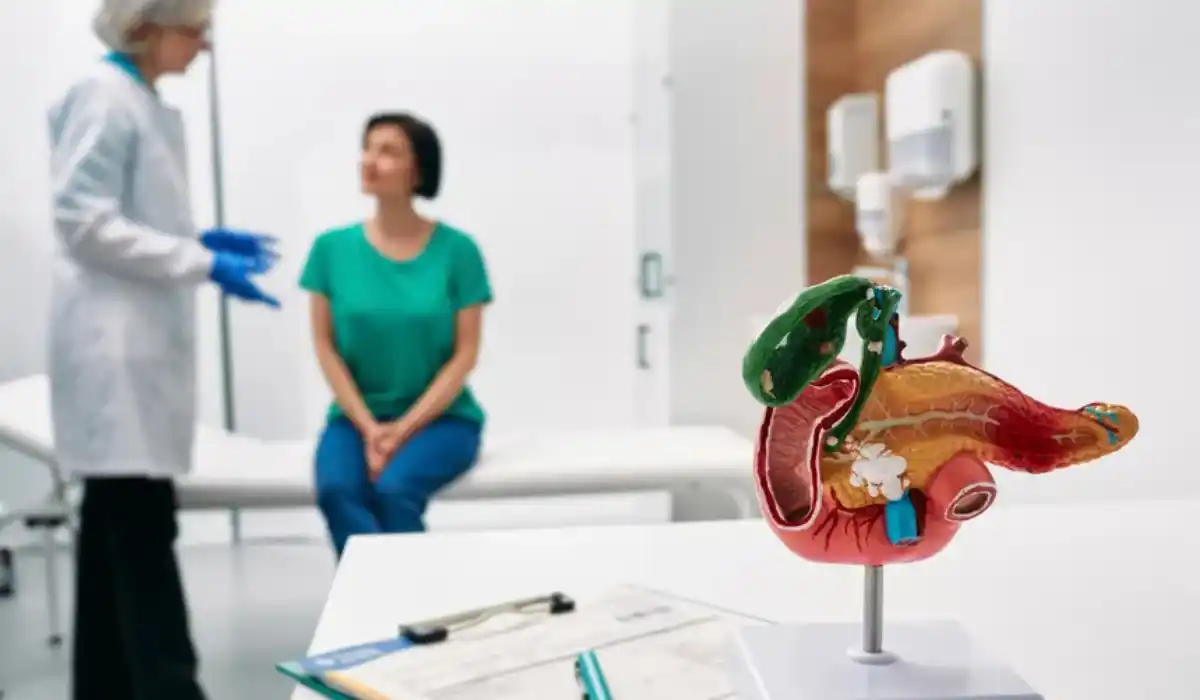
The pancreas is an organ behind the stomach. It has two main jobs: helping with digestion and helping control blood sugar.
For digestion, the pancreas makes enzymes that break down fats, proteins, and carbohydrates. These enzymes move into the small intestine after you eat.
For blood sugar control, the pancreas makes hormones such as insulin and glucagon. Insulin lowers blood sugar, while glucagon helps raise blood sugar when it drops too low.
Why Would The Pancreas Be Removed?
Doctors do not remove the pancreas unless there is a serious medical reason. Surgery may be needed when disease damages the organ or when a tumor creates major health risks.
Common reasons may include:
- Pancreatic cancer
- Severe chronic pancreatitis
- Repeated pancreatitis attacks
- High-risk pancreatic cysts
- Pancreatic neuroendocrine tumors
- Severe pancreas injury
- Precancerous pancreatic growths
- Rare genetic or structural pancreas disorders
- Complicated pancreatic inflammation, including rare conditions such as autoimmune pancreatitis
Sometimes only part of the pancreas is removed. In more serious cases, the entire organ may need to be taken out.
Total Vs Partial Pancreatectomy
Pancreatectomy means surgical removal of part or all of the pancreas. The type of surgery depends on the location and severity of the disease.
Partial Pancreatectomy
A partial pancreatectomy removes only part of the pancreas. The remaining part may still make some insulin and digestive enzymes.
Some people still develop diabetes or digestive symptoms after partial removal. However, these problems may be less severe than after total removal.
Total Pancreatectomy
A total pancreatectomy removes the entire pancreas. This means the body loses its main source of insulin, glucagon, and digestive enzymes.
After this surgery, lifelong insulin and enzyme replacement are usually needed. Blood sugar control can be more complex because the body also loses glucagon, which helps protect against low blood sugar.
Whipple Procedure
A Whipple procedure removes the head of the pancreas along with nearby structures such as part of the small intestine, gallbladder, and part of the bile duct.
It is often used for pancreatic cancer or tumors near the head of the pancreas. The remaining pancreas may still work, but some people develop diabetes or digestion problems after surgery.
What Happens After Pancreas Removal?
After pancreas removal, the body must adjust to two major changes: blood sugar control and digestion.
If the entire pancreas is removed, the body no longer makes enough insulin. This causes diabetes that requires insulin treatment.
The body also loses pancreatic digestive enzymes. Without enzyme replacement, food may not break down well. This can lead to diarrhea, greasy stools, bloating, gas, vitamin problems, and weight loss.
Diabetes After Pancreas Removal
Diabetes after total pancreas removal can be challenging. This happens because the pancreas is the body’s main source of insulin.
People may need insulin injections or an insulin pump. Some may also use a continuous glucose monitor to track blood sugar throughout the day and night.
Blood sugar may rise after meals and may also drop too low if insulin, food, and activity are not balanced. A diabetes care team can help adjust insulin doses and teach safe daily management.
Insulin After Pancreas Surgery
Insulin is usually required after total pancreatectomy. The dose depends on meals, blood sugar levels, body weight, activity, and overall health.
Some people need long-acting insulin, mealtime insulin, or both. Others may use an insulin pump for more flexible control.
Because the body no longer makes glucagon normally after total removal, low blood sugar can be more dangerous. People should learn how to recognize and treat hypoglycemia.
Digestive Enzyme Replacement
Pancreatic enzyme replacement therapy, often called PERT, helps replace digestive enzymes that the pancreas no longer makes.
These enzyme capsules are usually taken with meals and snacks. They help the body digest fats, proteins, and carbohydrates.
Without enough enzymes, symptoms may include oily stools, diarrhea, bloating, gas, poor nutrient absorption, and weight loss. Enzyme doses may need adjustment based on symptoms, meal size, and weight changes.
Diet And Nutrition After Surgery
Diet becomes very important after pancreas removal. Many people benefit from working with a registered dietitian.
A meal plan may include balanced carbohydrates, lean protein, healthy fats, and enough calories to maintain weight. Some people do better with smaller, more frequent meals.
Fat-soluble vitamins such as A, D, E, and K may need monitoring. If digestion is poor, the body may not absorb these vitamins well.
Can You Eat Normally Without A Pancreas?
Some people return to many regular foods after recovery, but meals usually require planning. Enzymes and insulin often need to be timed with food.
High-fat meals may require careful enzyme dosing. Sugary foods may raise blood glucose quickly. Skipping meals may also increase the risk of low blood sugar if insulin is active.
The goal is not always a strict diet. The goal is a safe routine that supports blood sugar, digestion, weight, and energy.
Recovery Timeline After Pancreatectomy
Recovery depends on the surgery type, the reason for surgery, and the person’s overall health.
| Recovery Stage | What To Expect |
| First few days | Hospital monitoring, pain control, blood sugar checks |
| First few weeks | Gradual eating, wound healing, medicine adjustments |
| 1 to 3 months | Enzyme dosing, insulin routine, follow-up visits |
| Long term | Lifelong diabetes, digestion, nutrition, and medical care |
Some people recover faster than others. Cancer treatment, infection, weight loss, or complications can make recovery longer.
Life Expectancy Without A Pancreas
Life expectancy without a pancreas depends on many factors. The reason for surgery is one of the biggest factors.
A person who has surgery for chronic pancreatitis may have a different outlook than someone who has surgery for pancreatic cancer. Cancer stage, treatment response, age, nutrition, and overall health all matter.
With modern insulin therapy, enzyme replacement, nutrition support, and medical follow-up, many people can live for years after pancreas removal. However, lifelong care is necessary.
Can The Pancreas Grow Back?
No, the pancreas does not grow back after removal. If the entire organ is removed, the body cannot naturally replace it.
If only part of the pancreas is removed, the remaining tissue may continue working to some degree. However, it does not fully regrow like some other tissues.
This is why long-term treatment is important after surgery.
Total Pancreatectomy With Islet Autotransplantation
Some people with severe chronic pancreatitis may be candidates for total pancreatectomy with islet autotransplantation, also called TPIAT.
During this procedure, doctors remove the pancreas, collect insulin-producing islet cells, and transplant those cells into the liver. The goal is to reduce pain while preserving some insulin production.
Not everyone qualifies for this surgery. It requires evaluation by a specialized pancreas surgery team.
Possible Risks And Complications
Pancreas removal is major surgery. Short-term and long-term complications can happen.
Possible complications include:
- Bleeding
- Infection
- Blood clots
- Pain
- Delayed stomach emptying
- Diabetes
- Low blood sugar episodes
- Digestive problems
- Weight loss
- Vitamin deficiencies
- Poor nutrient absorption
- Need for additional procedures
Regular follow-up helps detect and manage problems early.
How To Manage Daily Life Without A Pancreas?
Daily life after pancreas removal requires routine. Most people need a plan for medicines, meals, blood sugar checks, and follow-up care.
Helpful habits include:
- Taking enzymes with every meal and snack
- Checking blood sugar as directed
- Using insulin correctly
- Eating balanced meals
- Carrying fast sugar for low blood glucose
- Tracking weight and digestion
- Reporting greasy stools or weight loss
- Keeping follow-up appointments
- Working with a dietitian
- Wearing medical ID for diabetes
Support from family, caregivers, and healthcare professionals can make daily management easier.
When To Call A Doctor?
Call your doctor if you notice symptoms that may suggest poor digestion, blood sugar problems, or complications.
Important symptoms include:
- Repeated low blood sugar
- Very high blood sugar
- Severe abdominal pain
- Fever
- Vomiting
- Ongoing diarrhea
- Greasy or floating stools
- Unexplained weight loss
- Signs of dehydration
- Yellow skin or eyes
- Wound redness or drainage
- Confusion or fainting
Seek urgent care for severe symptoms, chest pain, trouble breathing, severe weakness, or signs of infection after surgery.
Questions To Ask Your Healthcare Team
Before or after pancreas surgery, ask clear questions so you know what to expect.
Helpful questions include:
- Will part or all of my pancreas be removed?
- Will I need insulin after surgery?
- Will I need pancreatic enzyme replacement?
- How will my diet change?
- What symptoms should I report quickly?
- Do I need a diabetes specialist?
- Should I meet with a dietitian?
- How often will I need blood tests?
- Will I need follow-up imaging?
- Am I a candidate for islet autotransplantation?
- What is my long-term outlook?
These questions can help you prepare for surgery and recovery.
Conclusion
So, can you live without a pancreas? Yes, you can, but life requires lifelong medical care.
Without the pancreas, the body needs help controlling blood sugar and digesting food. Most people need insulin therapy, pancreatic enzyme replacement, nutrition support, and regular follow-up.
With the right care team and daily routine, many people adapt after pancreas removal. The long-term outlook depends on the reason for surgery, overall health, and how well diabetes, digestion, and nutrition are managed.
FAQs
Yes. A person can live without a pancreas, but lifelong insulin, digestive enzymes, nutrition support, and medical follow-up are usually needed.
Life expectancy varies. It depends on the reason for surgery, cancer stage if present, overall health, complications, and long-term care.
Life expectancy varies. It depends on the reason for surgery, cancer stage if present, overall health, complications, and long-term care.
Yes. Many people need pancreatic enzyme capsules with meals and snacks to help digest food and absorb nutrients.
Some people return to many regular foods, but meals need planning around insulin, enzyme capsules, blood sugar, and digestion.
No. The pancreas does not grow back after removal. If only part is removed, the remaining part may still function.
The body loses its main source of insulin and digestive enzymes. Lifelong diabetes care and enzyme replacement are usually needed.
Yes. Pancreatectomy is major surgery and can involve risks such as infection, bleeding, diabetes, digestive problems, and weight loss.
The biggest challenges are blood sugar control and digestion. Both require daily management with medicines, meals, and monitoring.
Care may include a surgeon, gastroenterologist, endocrinologist, diabetes educator, dietitian, primary care doctor, and sometimes oncology specialists.
References
- Cleveland Clinic
https://my.clevelandclinic.org/health/treatments/23134-pancreatectomy-surgery-removal-pancreas - Mayo Clinic – Whipple Procedure
https://www.mayoclinic.org/tests-procedures/whipple-procedure/about/pac-20385054 - NIDDK
https://www.niddk.nih.gov/health-information/digestive-diseases/pancreatitis/treatment