
A geriatric pregnancy usually refers to pregnancy at age 35 or older. The term can feel outdated, so many healthcare providers prefer to say advanced maternal age instead. Being pregnant after 35 does not mean something is wrong. Many people have healthy pregnancies at this age with regular prenatal care, proper screening, and good health support.
The reason age matters is that some pregnancy risks can slowly increase as a person gets older, including gestational diabetes, high blood pressure, miscarriage, and certain chromosome-related conditions.
What Does Geriatric Pregnancy Mean?
A geriatric pregnancy refers to pregnancy at age 35 or older. The word “geriatric” is not commonly preferred today because it can feel negative or outdated.
A better medical term is advanced maternal age. This simply tells the healthcare team that pregnancy may need closer monitoring. It does not mean the pregnancy will be unhealthy.
Is Pregnancy After 35 Always High Risk?
Pregnancy after 35 is not automatically dangerous. Many people in their mid-30s and 40s have healthy pregnancies and healthy babies.
However, age can raise the chance of certain complications. These may include gestational diabetes, preeclampsia, cesarean delivery, miscarriage, and chromosomal conditions. The risk does not suddenly appear on your 35th birthday, but it can rise gradually with age.
Why Does Age Affect Pregnancy?
Age can affect pregnancy because egg number and egg quality decline over time. This can make it harder to get pregnant and may increase the chance of miscarriage.
Older age may also come with a higher chance of existing health conditions, such as high blood pressure, diabetes, thyroid disease, or weight-related concerns. High blood sugar symptoms like frequent thirst, frequent urination, fatigue, blurry vision, or slow healing should be discussed with a healthcare provider, especially before or during pregnancy.
Common Risks Linked With Advanced Maternal Age
Gestational Diabetes
Gestational diabetes is high blood sugar that develops during pregnancy. It is more common as maternal age increases.
Good prenatal care can help screen for it. If it develops, diet changes, activity, blood sugar checks, and sometimes medication may help control it.
High Blood Pressure and Preeclampsia
High blood pressure during pregnancy needs attention because it can affect both the mother and baby. Preeclampsia is a pregnancy-related blood pressure condition that can become serious.
Warning signs may include severe headache, vision changes, upper belly pain, sudden swelling, or shortness of breath.
Miscarriage Risk
Miscarriage can happen at any age, but the risk increases with age. This is often related to changes in egg quality and chromosome development.
Many people ask, can stress cause a miscarriage, especially after a pregnancy loss. Normal daily stress, light exercise, or one small mistake is usually not the cause. Most early losses happen because of issues outside a person’s control.
Chromosomal Conditions
Pregnancy after 35 may have a higher chance of chromosome-related conditions. This is why genetic screening and diagnostic testing may be discussed during prenatal visits.
Screening tests estimate risk. Diagnostic tests can give more definite answers but may carry their own risks, so your provider can explain the best option.
What Symptoms Should You Watch For?
Many pregnancy symptoms after 35 are the same as pregnancy at any other age. These may include missed period, nausea, breast tenderness, tiredness, mild cramps, and mood changes.
However, some symptoms need faster care, especially if they involve bleeding, strong pain, or dizziness.
Call a healthcare provider if you notice:
- Heavy bleeding
- Severe pelvic pain
- One-sided lower belly pain
- Dizziness or fainting
- Severe headache
- Vision changes
- Chest pain or shortness of breath
- Fever or chills
- Fluid leaking from the vagina
- Reduced baby movement later in pregnancy
Ectopic Pregnancy Symptoms Are Different
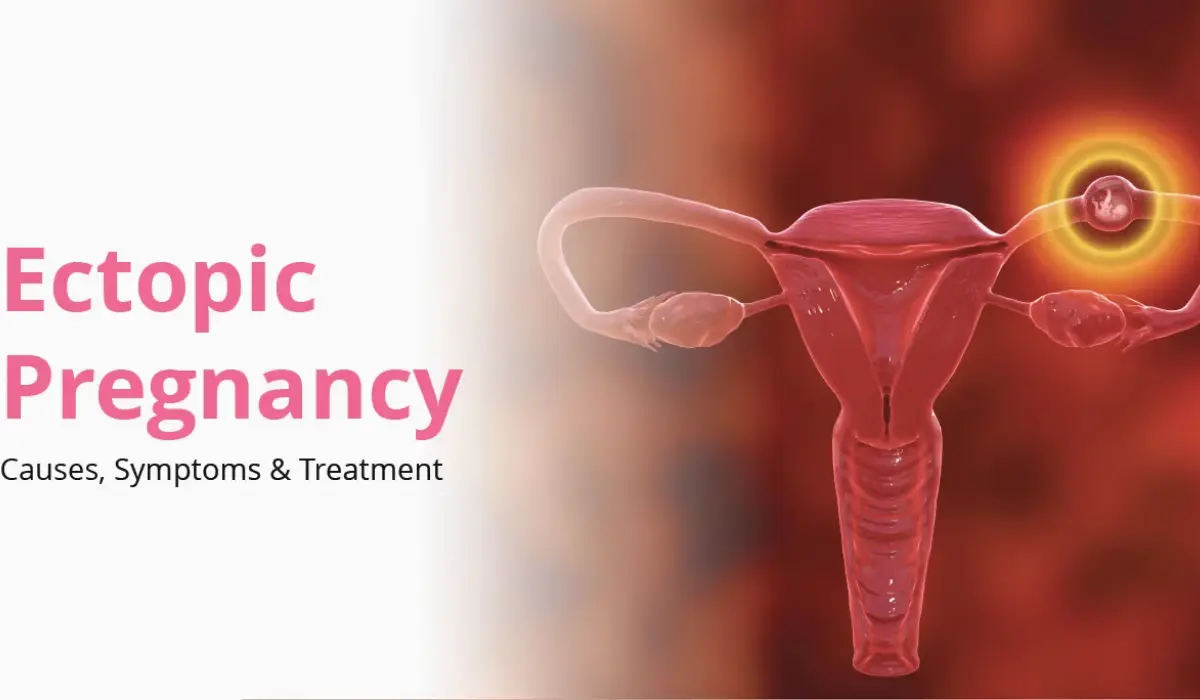
The related keyword ectopic pregnancy symptoms is important because early pregnancy pain and bleeding should not be ignored. An ectopic pregnancy happens when a fertilized egg implants outside the uterus, often in a fallopian tube.
Symptoms may include one-sided pelvic pain, vaginal bleeding, shoulder tip pain, dizziness, fainting, or weakness. These symptoms need urgent medical care, especially after a positive pregnancy test.
What Prenatal Care May Include?
Prenatal care after 35 may include regular checkups, blood pressure monitoring, blood sugar screening, ultrasound checks, and discussions about genetic screening.
Your provider may also ask about medical history, previous pregnancies, medications, supplements, family history, and lifestyle habits. This helps create a safer care plan.
Some people may need extra visits if they have diabetes, high blood pressure, thyroid disease, autoimmune disease, obesity, or a history of pregnancy complications.
How to Support a Healthy Pregnancy After 35?
You cannot control every pregnancy risk, but you can support your health before and during pregnancy.
Helpful steps include:
- Start prenatal care early
- Take folic acid or prenatal vitamins as advised
- Manage blood pressure, diabetes, or thyroid issues
- Eat balanced meals
- Stay active if your provider says it is safe
- Avoid smoking, alcohol, and recreational drugs
- Review medications before pregnancy or early in pregnancy
- Keep dental and general health checkups
- Report unusual symptoms early
Small, consistent habits can make pregnancy care easier and safer.
When to Seek Professional Help?
Contact a healthcare provider if you are over 35 and trying to get pregnant, especially if you have not conceived after about six months of trying. Fertility can decline with age, and earlier guidance may help.
During pregnancy, seek help quickly for heavy bleeding, severe pain, fainting, shoulder pain, severe headache, vision changes, fever, or sudden swelling. These symptoms should not be watched at home without advice.
Final Thoughts
A geriatric pregnancy simply means pregnancy at age 35 or older, though advanced maternal age is the more respectful term. It does not mean pregnancy will be unsafe.
The best approach is prenatal care after 35, good health management, screening when needed, and quick attention to warning signs. Many people over 35 have healthy pregnancies with the right support.
FAQs
A geriatric pregnancy usually means pregnancy at age 35 or older. Many providers now use the term advanced maternal age instead.
Pregnancy after 35 is not always dangerous. However, some risks increase with age, so regular prenatal care and screening are important.
Yes, many people have healthy pregnancies after 35. Managing health conditions, attending prenatal visits, and reporting symptoms early can support safer outcomes.
Doctors may monitor pregnancy after 35 more closely because risks like gestational diabetes, high blood pressure, miscarriage, and chromosomal conditions can increase.
Ectopic pregnancy symptoms can happen at any reproductive age. One-sided pelvic pain, bleeding, shoulder pain, dizziness, or fainting need urgent medical care.
Call for heavy bleeding, severe pain, fainting, vision changes, severe headache, fever, sudden swelling, or any symptom that feels unusual or worrying.