Parasitic skin infection treatment depends on the type of parasite causing the problem. Scabies, lice, and hookworm-related skin rashes need different treatments, so getting the right diagnosis is important before using creams, shampoos, or pills.
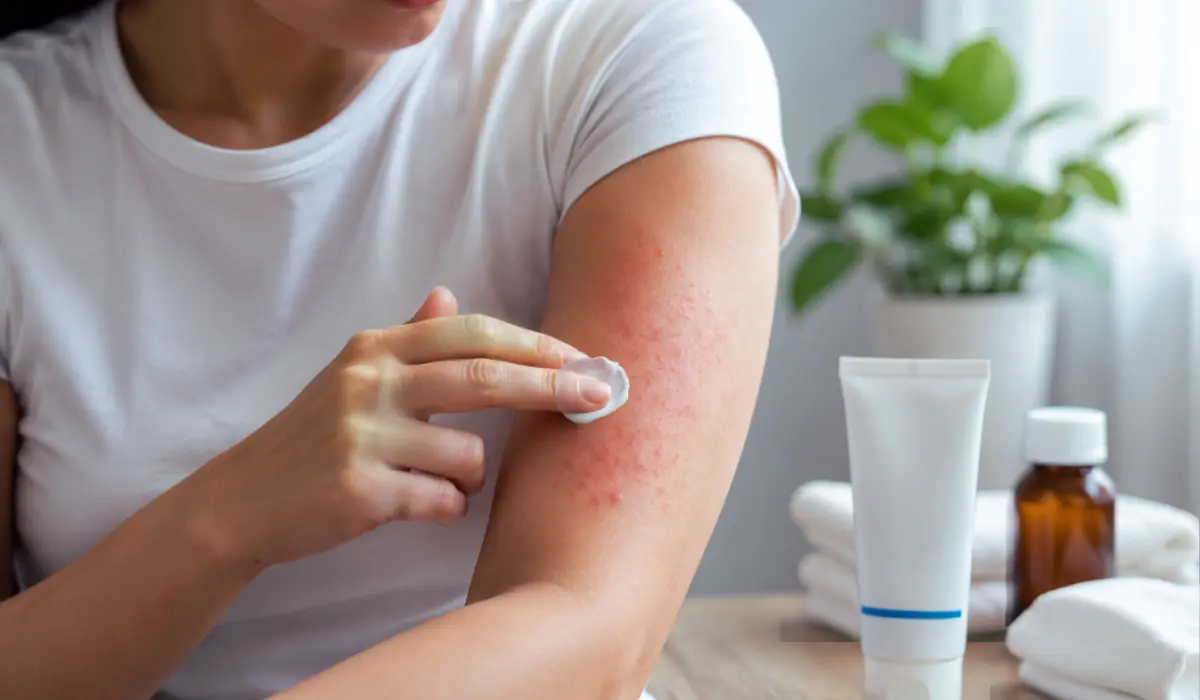
A parasitic skin infection may cause itching, red bumps, bite marks, sores, scalp irritation, or a rash that spreads to close contacts. Some cases improve quickly with the right medicine, while others need household cleaning, repeat treatment, or medical follow-up.
What Is a Parasitic Skin Infection?
A parasitic skin infection happens when parasites live on the skin, bite the skin, or burrow into the outer skin layer. Common examples include scabies mites, lice, and cutaneous larva migrans.
Scabies often causes intense itching, especially at night, along with a pimple-like rash. Lice may cause scalp itching, visible nits, or bite marks. Cutaneous larva migrans may cause a red, winding, itchy rash after contact with contaminated soil or sand. Scabies is treated with prescription scabicide medicines, while lice and hookworm-related rashes need different care.
Why Diagnosis Matters Before Treatment?
Many skin conditions can look similar. Eczema, allergies, fungal infections, insect bites, bacterial infections, and heat rash may all cause itching or redness.
Using the wrong treatment can irritate the skin or delay proper care. For example, lice shampoo will not treat scabies, and scabies cream will not fix every itchy rash. A healthcare provider may examine the skin, check the rash pattern, ask about close contacts, and sometimes use skin scraping or close inspection.
Common Treatment Options
Scabies Treatment
Scabies usually needs a prescription medicine called a scabicide. These medicines are designed to kill scabies mites and, depending on the product, may need careful full-body application.
Treatment instructions matter. The medicine may need to stay on the skin for a specific number of hours before washing off. Close contacts may also need treatment, even if symptoms have not started yet, because scabies symptoms can take time to appear.
Clothing, bedding, and towels used by an affected person should be washed and dried with heat when possible. Items that cannot be washed may need to be sealed away for several days to reduce reinfestation risk.
Head Lice Treatment
Head lice treatment may involve over-the-counter or prescription products, depending on age, pregnancy status, allergies, and whether previous treatment failed. Some products kill live lice but may not kill all eggs, so repeat treatment may be needed.
Combing with a fine-tooth nit comb can help remove lice and nits. Bedding, clothing, and items used close to the head should be cleaned according to medical guidance.
Body Lice Treatment
Body lice are different from head lice because they usually live in clothing and bedding, not mainly on the scalp. Treatment focuses on bathing, changing into clean clothes, and washing contaminated clothing and bedding.
Improving hygiene and access to clean clothing is the main treatment for body lice. A healthcare provider may recommend additional medicine if bites are infected or symptoms are severe.
Cutaneous Larva Migrans Treatment
Cutaneous larva migrans is often linked to animal hookworm larvae in contaminated soil or sand. It may cause an itchy, winding rash that looks like it is moving under the skin.
Treatment may involve anti-parasitic medicine such as albendazole or ivermectin when prescribed by a clinician. Severe or recurring cases may need additional doses or follow-up care.
Home Care During Treatment
Home care can reduce itching and prevent skin damage, but it should not replace the correct medicine when a parasite is confirmed.
Keep nails short, avoid harsh scratching, and use cool compresses if itching is intense. Scratching can break the skin and increase the risk of bacterial infection.
Wash bedding, towels, and clothing as advised. Avoid sharing towels, hats, combs, bedding, or clothing until the infection or infestation is treated.
What Not to Use on the Skin?
Do not apply bleach, kerosene, pesticides, gasoline, animal flea products, or strong household chemicals to the skin. These can burn the skin and cause serious irritation.
Also avoid repeating medicated creams or lice products too often unless a healthcare provider tells you to. Overuse can worsen itching, dryness, redness, and skin sensitivity.
Why Itching May Continue After Treatment?
Itching does not always stop immediately after treatment. With scabies, itching can continue for days or weeks because the skin is still reacting to mites and their waste.
However, symptoms should slowly improve. New burrows, new bite marks, spreading rash, or several untreated household members may suggest reinfestation or incomplete treatment.
Prevention and Safety Tips
Prevention depends on the parasite, but basic hygiene helps. Avoid close skin contact with people who have untreated scabies. Do not share personal items such as combs, hats, towels, or bedding if lice or mites are suspected.
Wear shoes or sandals in areas where soil or sand may be contaminated. This is especially important in warm climates, beaches, and places where animals may pass stool.
For household control, follow cleaning instructions carefully. Treating only one person while others remain exposed can lead to repeated infection.
When to See a Doctor?
See a healthcare provider if itching is severe, the rash spreads, symptoms affect multiple people at home, or over-the-counter treatment does not work.
Get medical care sooner if there is pus, fever, painful swelling, crusted skin, open sores, or signs of infection from scratching. Babies, pregnant people, older adults, and people with weakened immune systems should also seek care early.
Final Thoughts
Parasitic skin infection treatment works best when the exact parasite is identified. Scabies, lice, body lice, and hookworm-related skin rashes need different approaches.
Do not rely on harsh home remedies or repeated random treatments. Proper diagnosis, the right medicine, household cleaning, and follow-up care can help stop symptoms and reduce reinfection risk.
FAQs
The best treatment depends on the parasite. Scabies, lice, and hookworm-related rashes need different medicines, so diagnosis should come first.
Some irritation may fade, but many parasitic infections need specific treatment. Untreated scabies or lice can spread to close contacts.
Scabies is commonly treated with prescription scabicide creams or lotions. The exact medicine and application time should follow a healthcare provider’s instructions.
Correct treatment is the main step. Cool compresses, short nails, gentle skin care, and avoiding scratching may help reduce irritation while healing.
Sometimes, yes. With scabies or lice, close contacts may need checking or treatment to prevent reinfestation, even if symptoms are mild.
See a doctor for severe itching, spreading rash, pus, fever, crusting, open sores, symptoms in family members, or failed treatment.
Reference
- CDC – Head lice treatment guidance. (CDC)
- Mayo Clinic – Head lice diagnosis and treatment. (Mayo Clinic)