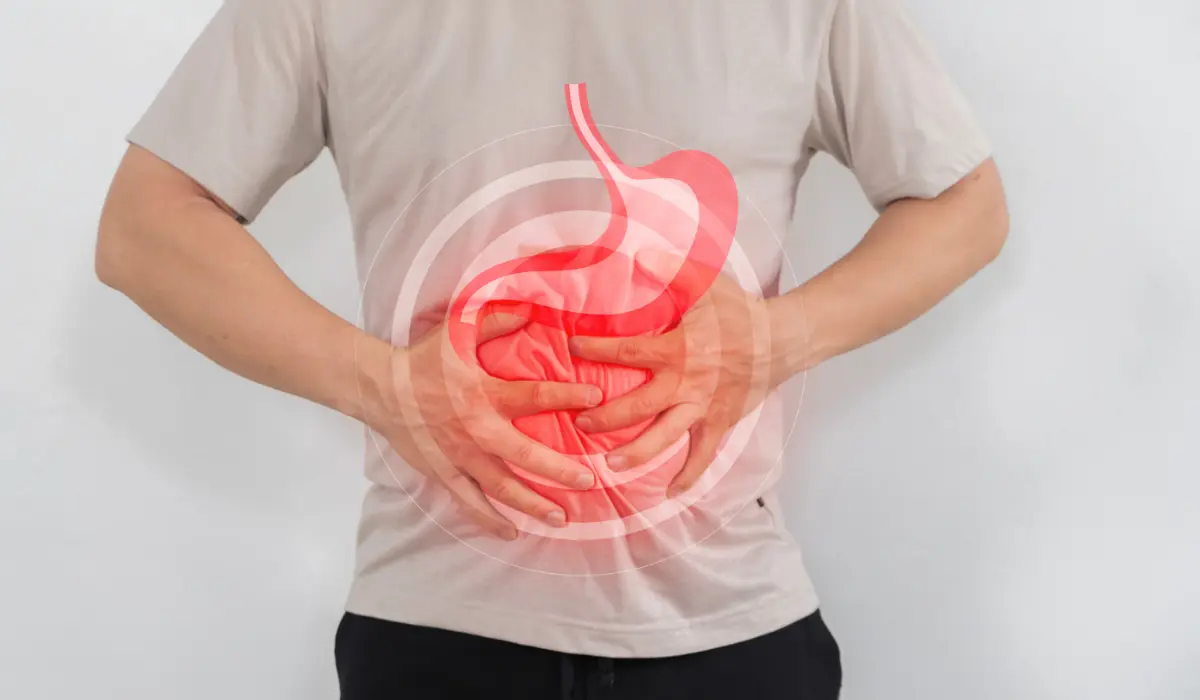

The signs of a parasitic infection can include diarrhea, stomach cramps, bloating, nausea, fatigue, unexplained weight loss, itching around the anus, or seeing worm-like pieces in stool. Symptoms depend on the type of parasite and where it affects the body.
Some parasitic infections cause mild digestive upset, while others can last for weeks or lead to dehydration, anemia, or more serious illness. A parasite is an organism that lives on or inside a host and gets food at the host’s expense; the main groups that can infect humans include protozoa, helminths, and ectoparasites.
What Is a Parasitic Infection?
A parasitic infection happens when a parasite enters the body and survives by using the host for nutrients or shelter. Some parasites live in the intestines, while others affect the skin, blood, liver, lungs, or other organs.
Common routes include contaminated food, unsafe water, poor hand hygiene, undercooked meat or fish, insect bites, walking barefoot in contaminated soil, or close contact with infected people or animals.
Common Digestive Signs
Many parasitic infections affect the digestive system first. Common symptoms may include loose stools, watery diarrhea, stomach cramps, gas, bloating, nausea, vomiting, and loss of appetite.
Giardia, for example, can cause diarrhea, abdominal pain, bloating, nausea, and vomiting. Symptoms can range from mild illness to recurrent symptoms and poor absorption in longer-lasting cases.
Unexplained Weight Loss or Appetite Changes
Unexplained weight loss can happen when a parasite affects digestion, appetite, or nutrient absorption. Some people may feel less hungry, while others may feel unusually hungry but still lose weight.
Tapeworm infection may cause abdominal pain, appetite changes, weight loss, and upset stomach. In some cases, people may notice tapeworm segments passing in stool.
Itching Around the Anus, Especially at Night
Nighttime itching around the anus is a classic sign of pinworm infection, especially in children. The itching happens because female pinworms lay eggs around the anal area, often at night.
Scratching can spread eggs to fingers, bedding, clothing, and household surfaces. This is why pinworms can spread easily among family members, schools, and daycare settings.
Fatigue, Weakness, or Pale Skin
Some parasites can contribute to weakness or fatigue, especially if they cause long-lasting diarrhea, poor nutrient absorption, or anemia. Hookworm is one example that may be linked with anemia-related symptoms.
People with anemia may feel tired, weak, dizzy, short of breath, or look pale. Children and pregnant people may be at higher risk from chronic intestinal parasite infections.
Skin Changes or Rashes
Not all parasite symptoms are digestive. Some parasitic infections can cause itchy skin, rash, bumps, or creeping-looking skin irritation.
Skin symptoms can also come from allergies, eczema, scabies, fungal infections, insect bites, or other causes. A healthcare provider can help identify whether the rash is related to a parasite or another condition.
Symptoms After Travel or Unsafe Food
Parasitic infections are more likely after travel to areas with unsafe water, poor sanitation, or higher parasite exposure. Risk can also rise after eating raw or undercooked meat, fish, shellfish, or unwashed produce.
Symptoms may appear days or weeks after exposure. Tell your doctor about recent travel, camping, swimming in lakes or rivers, animal contact, and any foods that may have been unsafe.
Can You Have a Parasite Without Symptoms?
Yes, some people have mild symptoms or no obvious symptoms. This can make parasitic infections harder to recognize.
Symptoms may also come and go. For example, someone may have diarrhea for a few days, feel better, then have symptoms return. Persistent or recurring digestive problems should be checked rather than ignored.
How Doctors Check for Parasites?
Testing depends on the symptoms and suspected parasite. A stool ova and parasite test may be used when someone has diarrhea, gas, stomach cramps, or other abdominal symptoms.
Doctors may also order blood tests, antigen tests, imaging, or other exams depending on travel history and symptoms. In some cases, endoscopy or colonoscopy may be used when stool testing does not explain ongoing symptoms.
Do Not Self-Treat Without a Diagnosis
It may be tempting to try a “parasite cleanse,” but many products are not proven and may cause side effects. The right treatment depends on the exact parasite.
Some infections need prescription medicine. Others need supportive care, hydration, or treatment for the whole household. Taking the wrong medicine can delay proper care.
Prevention and Safety Tips
Good hygiene helps reduce many parasite risks. Wash hands after using the bathroom, before eating, after changing diapers, and after handling animals.
Drink safe water, wash produce well, cook meat and fish properly, and avoid swallowing water from lakes, rivers, or pools. During travel, use safe drinking water and be careful with raw foods if sanitation is uncertain.
For pinworms, washing bedding, trimming nails, morning bathing, and treating household contacts when recommended may help reduce reinfection.
When to See a Doctor?
See a healthcare provider if diarrhea lasts more than a few days, symptoms keep returning, or you have unexplained weight loss, blood in stool, severe abdominal pain, persistent vomiting, fever, dehydration, or extreme fatigue.
Seek urgent care for confusion, fainting, severe dehydration, intense abdominal swelling, trouble breathing, seizures, or symptoms in a baby, older adult, pregnant person, or someone with a weakened immune system.
Final Thoughts
The signs of a parasitic infection can be easy to mistake for food poisoning, stomach flu, irritable bowel symptoms, or common skin problems. Digestive symptoms, anal itching at night, unexplained weight loss, fatigue, rashes, or symptoms after travel should be taken seriously if they persist.
The safest next step is proper medical testing. Once the exact cause is known, treatment is usually much more targeted and effective.
FAQs
Early signs may include diarrhea, stomach cramps, bloating, nausea, fatigue, appetite changes, or anal itching. Symptoms depend on the parasite and infection location.
Yes, some parasites can affect appetite, digestion, or nutrient absorption, which may lead to weight loss. Unexplained weight loss should be checked medically.
Some mild infections may improve, but many need specific treatment. Ongoing diarrhea, weight loss, fever, or blood in stool needs medical evaluation.
Doctors may use stool tests, blood tests, antigen tests, imaging, or endoscopy depending on symptoms, travel history, and suspected parasite type.
It may be watery, recurring, foul-smelling, or linked with cramps, bloating, gas, nausea, and fatigue. Persistent diarrhea should be checked.
Seek care for severe pain, dehydration, blood in stool, fever, weight loss, symptoms after travel, or illness in children, pregnancy, or weakened immunity.
Reference
- CDC – Diagnosis of parasitic diseases. (CDC)
- MedlinePlus – Ova and parasite stool test. (MedlinePlus)