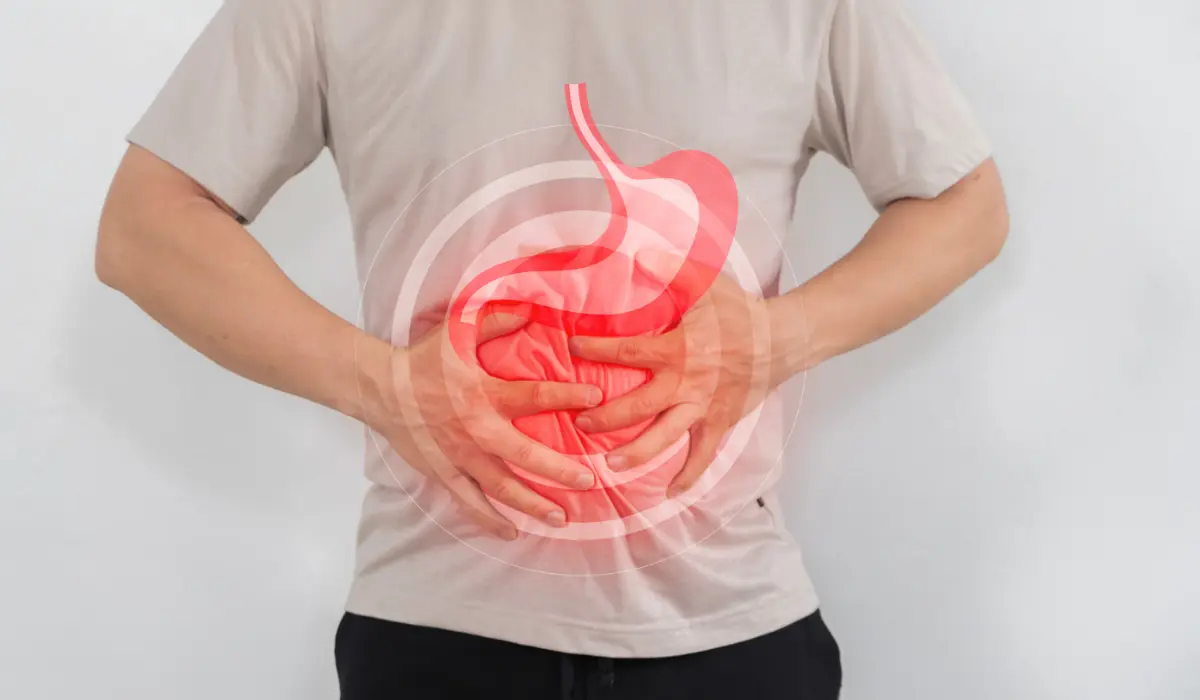

Diarrhea parasite symptoms often include watery diarrhea, stomach cramps, bloating, gas, nausea, tiredness, and sometimes weight loss. These symptoms can look like food poisoning or a stomach virus, but parasitic diarrhea may last longer, come back after improving, or start after contaminated food, water, travel, swimming, or poor sanitation exposure.
Intestinal parasites are tiny organisms that can infect the digestive system. Some common diarrhea-causing parasites include Giardia, Cyclospora, and Cryptosporidium, also called Crypto. Each can cause loose stools, but the timing, stool changes, and symptom pattern may be different.
What Are Diarrhea Parasite Symptoms?
Parasite-related diarrhea usually affects the intestines. The main symptom is loose, watery, or frequent stool. Some people also feel stomach pain, gas, bloating, nausea, loss of appetite, or weakness.
Symptoms may begin days or weeks after exposure, depending on the parasite. This delay can make it hard to connect the illness to a specific meal, trip, water source, or swimming activity.
Common Symptoms to Watch For
People with intestinal parasites may notice:
- Watery diarrhea
- Frequent bowel movements
- Stomach cramps or pain
- Bloating and gas
- Nausea or upset stomach
- Loss of appetite
- Fatigue or weakness
- Weight loss
- Greasy, floating, or foul-smelling stool
- Dehydration
Greasy, floating, smelly stool is more often linked with Giardia, while watery diarrhea that relapses can happen with Cyclospora. Crypto commonly causes prolonged, frequent, watery diarrhea.
Common Parasites That Cause Diarrhea
Giardia
Giardia is a parasite that can spread through contaminated water, food, surfaces, objects, or contact with infected people. Symptoms often include diarrhea, gas, stomach cramps, nausea, dehydration, and greasy stools that may float.
Giardia symptoms usually begin 1 to 2 weeks after infection and may last 2 to 6 weeks in many cases. Some people can have longer-lasting symptoms.
Cyclospora
Cyclospora infects the small intestine and usually causes watery diarrhea with frequent, sometimes explosive bowel movements. Other symptoms can include appetite loss, weight loss, cramping, bloating, gas, nausea, and fatigue.
Without treatment, cyclosporiasis symptoms may last from a few days to over a month. Symptoms can also improve and then return, which makes it different from many short stomach bugs.
Cryptosporidium
Cryptosporidium can cause cryptosporidiosis, a diarrheal illness spread through germs found in the stool of infected people or animals. The most common symptom is watery diarrhea, but some people may have no symptoms.
Symptoms usually begin 2 to 10 days after infection, with an average of about 7 days, and often last 1 to 2 weeks. Other symptoms may include stomach cramps, nausea, vomiting, fever, weight loss, and dehydration.
Parasite Diarrhea vs Food Poisoning
Parasite diarrhea and food poisoning can feel similar. Both can cause stomach cramps, nausea, loose stool, and weakness. The difference is that some food poisoning starts within hours, while parasite symptoms may appear days or weeks later.
Another clue is duration. A simple stomach bug may improve within a few days, while parasite-related diarrhea may last longer, return after improving, or cause ongoing fatigue, weight loss, or greasy stools.
How Do People Get Parasite Diarrhea?
Parasites can enter the body when a person swallows contaminated water, food, or stool particles. This can happen through untreated water, contaminated produce, poor hand hygiene, childcare settings, swimming pools, lakes, travel, or contact with infected people or animals.
Crypto can continue spreading after symptoms begin, and people may remain infectious for a period after diarrhea ends. Good handwashing and avoiding swimming while sick can help reduce spread.
When Symptoms May Be Serious?
The biggest short-term concern is dehydration. Diarrhea can cause the body to lose fluids and electrolytes, especially when symptoms are frequent or paired with vomiting. Crypto guidance notes that young children and pregnant women may be more vulnerable to dehydration and should drink plenty of fluids while ill.
Seek medical help if diarrhea lasts several days, keeps coming back, or appears after travel, untreated water, camping, swimming, or suspected contaminated food exposure. Medical care is also important for blood in stool, high fever, severe belly pain, repeated vomiting, dizziness, confusion, very dark urine, or signs of dehydration.
How Parasite Diarrhea Is Diagnosed?
A healthcare provider may order stool testing when parasite diarrhea is suspected. An ova and parasite test checks stool samples for parasites and their eggs, and people may need to collect more than one sample because parasites may not appear in every stool sample.
Telling a provider about travel, swimming, camping, untreated water, fresh produce exposure, daycare contact, or sick household members can help guide the right test.
Treatment and Home Care
Treatment depends on the parasite and the person’s health. Some infections need prescription medicine, while others may improve with fluids and supportive care. For example, nitazoxanide is used for diarrhea caused by Giardia or Cryptosporidium in adults and children older than 1 year.
While recovering, sip water, broth, or oral rehydration solution throughout the day. Eat bland foods as tolerated, rest, and avoid alcohol, greasy foods, and heavy dairy until symptoms settle. Do not take leftover antibiotics or anti-parasite medicine without medical guidance.
Prevention Tips
Wash hands after using the bathroom, changing diapers, touching animals, and before preparing food. Drink safe water, wash produce well, avoid swallowing pool or lake water, and be careful with untreated water while traveling or camping.
People with diarrhea should avoid swimming until fully recovered because some parasites can spread through water. Extra caution is important in childcare settings, shared bathrooms, and homes with young children or immunocompromised family members.
Final Thoughts
Diarrhea parasite symptoms can include watery diarrhea, bloating, gas, nausea, cramps, fatigue, dehydration, greasy stool, and weight loss. Giardia, Cyclospora, and Crypto are common parasites that can cause digestive illness, but their symptom timing and stool patterns may differ.
If diarrhea is severe, lasts longer than expected, keeps returning, or follows travel or contaminated water exposure, stool testing may be needed. Early care can help prevent dehydration and guide proper treatment.
FAQs
Common diarrhea parasite symptoms include watery diarrhea, stomach cramps, gas, bloating, nausea, fatigue, appetite loss, dehydration, and sometimes greasy stool or weight loss.
Parasite diarrhea may last longer, return after improving, or follow travel, swimming, camping, untreated water, contaminated food, or contact with infected people.
Giardia can cause greasy, foul-smelling stool that may float, along with diarrhea, gas, stomach cramps, nausea, tiredness, and dehydration.
Some infections may improve, but others need prescription treatment. See a healthcare provider if diarrhea lasts, worsens, returns, or causes dehydration.
An ova and parasite stool test can check for intestinal parasites. More than one stool sample may be needed for better detection.
Seek care for diarrhea lasting several days, blood, fever, severe pain, dehydration, repeated vomiting, weight loss, travel exposure, or weakened immunity.
Reference
- MedlinePlus – Ova and Parasite Test
(MedlinePlus) - MedlinePlus – Nitazoxanide Drug Information
(MedlinePlus)