A watery diarrhea parasite infection happens when a parasite enters the digestive system and irritates the intestines. This can lead to frequent loose stools, stomach cramps, bloating, nausea, fatigue, and dehydration. Parasites often spread through contaminated water, unsafe food, poor hand hygiene, or close contact with infected people or animals.
Some cases improve on their own, but others need medical testing and prescription treatment. If diarrhea lasts more than a few days, keeps returning, or causes dehydration, it is important to speak with a healthcare provider.
What Is A Watery Diarrhea Parasite Infection?
A watery diarrhea parasite infection is an intestinal illness caused by tiny organisms that live in or pass through the digestive tract. These parasites can affect how the intestines absorb water and nutrients, which may cause loose, watery, or foul-smelling stools.
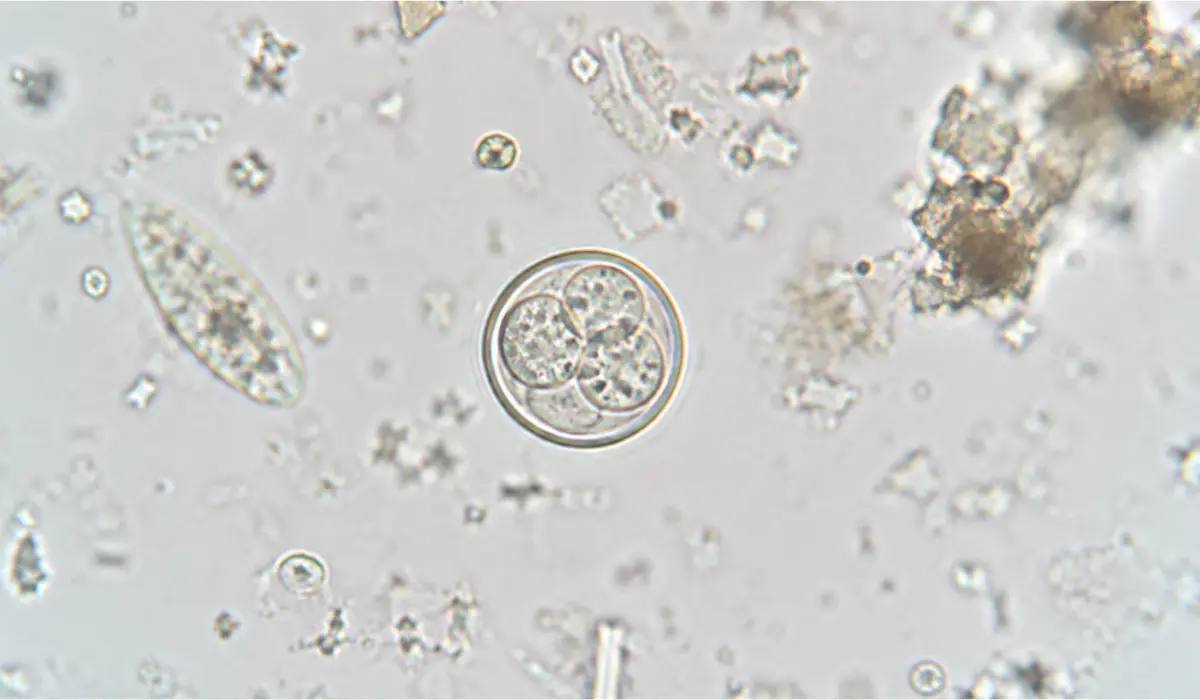
Common parasites linked with diarrhea include Giardia, Cyclospora, and Entamoeba histolytica. Giardia can cause diarrhea, gas, greasy stools, stomach cramps, nausea, and dehydration, while Cyclospora commonly causes watery diarrhea and may need specific testing because many labs do not routinely check for it.
Common Causes
Parasite-related diarrhea usually starts after swallowing contaminated food or water. In some cases, it may feel similar to food poisoning, especially when symptoms begin after eating unsafe food, unwashed produce, or food handled with poor hygiene. It can also happen after drinking untreated water, swimming in contaminated pools or lakes, or touching food with unwashed hands.
Giardia is often linked with unsafe water and poor sanitation. Mayo Clinic notes that Giardia infects the small intestine and is more common in areas without safe water or good sanitation. This type of infection may cause symptoms that people sometimes mistake for food poisoning.
Cyclospora spreads when people ingest food or water contaminated with stool. The CDC states that cyclosporiasis is an intestinal infection and often causes watery diarrhea with frequent bowel movements. It may also be connected to contaminated fresh produce, which is one reason it can look like food-related illness.
Symptoms To Watch For
Symptoms may begin within a few days or take a week or longer, depending on the parasite. Some people have mild symptoms, while others may feel very weak.
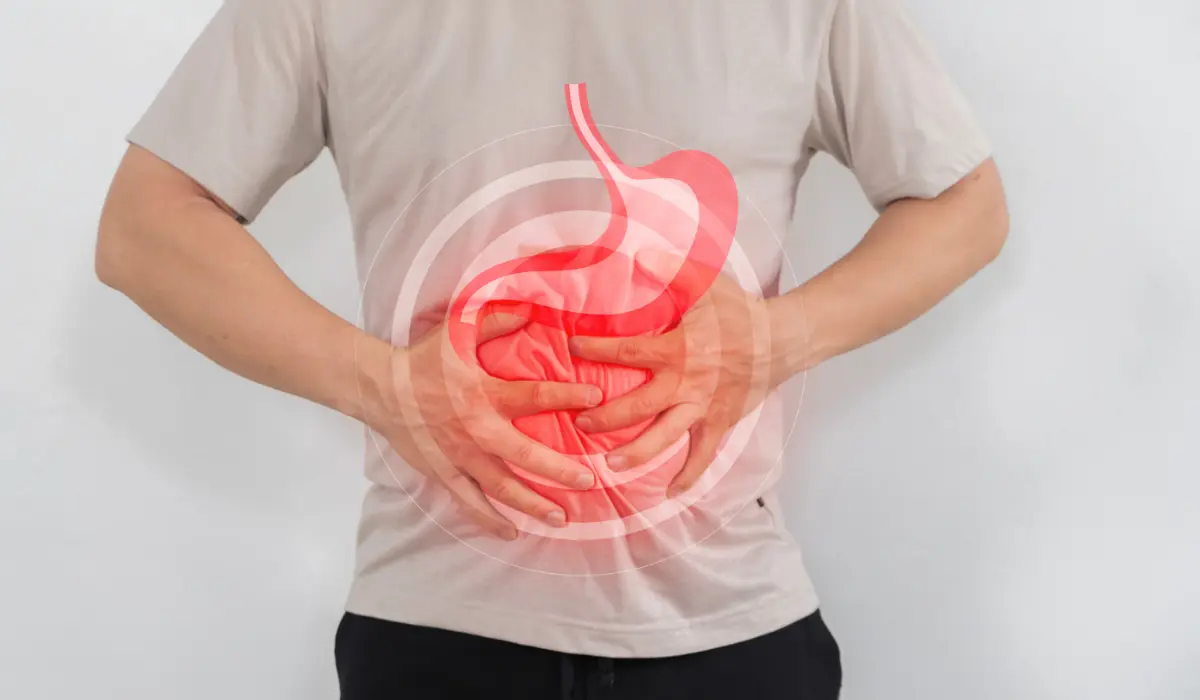
Common symptoms include watery diarrhea, stomach cramps, bloating, nausea, gas, loss of appetite, tiredness, and dehydration. Intestinal parasites can also cause abdominal pain, vomiting, and sometimes anal itching.
With Giardia, stools may become greasy, smelly, and floating. With Cyclospora, diarrhea may come and go for weeks if untreated. The CDC notes that untreated cyclosporiasis can last from a few days to a month or longer, and symptoms may relapse.
How Long Does It Last?
The duration depends on the parasite, the person’s immune system, and whether treatment is started. Some mild infections may improve in a few days, but others can last for weeks.
Acute giardiasis usually develops after an incubation period of 1 to 14 days, with an average of about 7 days, and may last 1 to 3 weeks. Chronic cases can cause recurring symptoms and poor absorption of nutrients.
When To See A Doctor?
You should seek medical advice if watery diarrhea lasts longer than three days, keeps returning, or happens after travel, camping, swimming, or drinking untreated water. Medical care is also important if there is blood in the stool, high fever, severe stomach pain, weight loss, or signs of dehydration.
Dehydration is the biggest concern with diarrhea. Warning signs can include extreme thirst, dry mouth, dark urine, dizziness, tiredness, and urinating less than usual.
Get urgent help if a person becomes very weak, confused, unable to drink, has sunken eyes, or shows signs of severe dehydration. WHO lists severe dehydration signs such as lethargy, sunken eyes, poor drinking ability, and skin that returns very slowly after pinching.
How Doctors Diagnose It?
Doctors may ask about recent travel, food, water exposure, swimming, sick contacts, pets, or daycare exposure. They may also order stool testing to look for parasites, parasite antigens, or other causes of infection.
Testing matters because different parasites need different treatments. The CDC notes that stool ova and parasite testing can have low sensitivity for Giardia, and stool antigen testing is preferred for identifying Giardia infection.
Treatment Options
Treatment depends on the parasite and symptom severity. The first step is usually replacing lost fluids. Oral rehydration solution, water, broth, and electrolyte drinks can help prevent dehydration.
Some parasite infections need prescription medicine. For Giardia, CDC lists effective medications such as tinidazole, nitazoxanide, and metronidazole. For cyclosporiasis, trimethoprim-sulfamethoxazole is the treatment of choice.
Do not self-treat with leftover antibiotics or antiparasitic medicines. The wrong medicine may not work and can delay proper care. A healthcare provider can choose treatment based on stool test results and your health history.
What To Eat And Drink During Recovery?
During watery diarrhea, focus on fluids first. Drink small amounts often, especially if nausea is present. Oral rehydration solution can help replace both water and salts.
Simple foods may be easier to tolerate, such as rice, bananas, toast, applesauce, potatoes, crackers, soup, and plain yogurt if you can tolerate dairy. Avoid alcohol, greasy foods, very spicy foods, and large meals until symptoms improve.
If dairy makes diarrhea worse, avoid milk and creamy foods for a few days. Some people become temporarily sensitive to lactose after an intestinal infection.
Prevention Tips
Good hygiene and safe food habits can lower the risk of parasite infection. Wash hands with soap before eating, after using the bathroom, after changing diapers, and after touching animals.
Avoid swallowing water from pools, lakes, rivers, or hot tubs. Do not drink untreated water while camping or traveling. Wash fruits and vegetables well, and avoid food that may have been handled or stored unsafely.
CDC prevention advice for Giardia includes washing hands, avoiding unsafe food or water, and cleaning areas where an infected person or pet had diarrhea.
Who Has A Higher Risk?
Anyone can get a parasite infection, but some people have a higher risk of complications. This includes infants, older adults, pregnant people, people with weak immune systems, and people with chronic health conditions.
Children in daycare, travelers, campers, hikers, swimmers, and people exposed to untreated water may also face higher risk. If symptoms are severe or prolonged in these groups, medical care should not be delayed.
FAQs
Yes. Parasites such as Giardia and Cyclospora can irritate the intestines and cause watery diarrhea, cramps, bloating, nausea, fatigue, and dehydration.
You may suspect it if diarrhea lasts several days, returns repeatedly, follows unsafe water exposure, or appears after travel, swimming, camping, or contaminated food.
Some mild infections may improve without treatment, but many last longer or return. Testing helps identify the parasite and the right treatment.
The fastest safe approach is hydration, rest, simple foods, and proper medical treatment when needed. Prescription medicine depends on the specific parasite.
It can be dangerous if it causes dehydration. Infants, older adults, pregnant people, and people with weak immune systems need quicker medical attention.
Do not take antibiotics without medical advice. Different parasites need different medicines, and the wrong treatment may not help the infection.
References
1. CDC
Clinical Overview of Cyclosporiasis
https://www.cdc.gov/cyclosporiasis/hcp/clinical-overview/index.html
2. Mayo Clinic
Giardia Infection: Symptoms & Causes
https://www.mayoclinic.org/diseases-conditions/giardia-infection/symptoms-causes/syc-20372786
3. Cleveland Clinic
Intestinal Parasites & Worms: Symptoms, Types, Treatment
https://my.clevelandclinic.org/health/diseases/intestinal-parasites