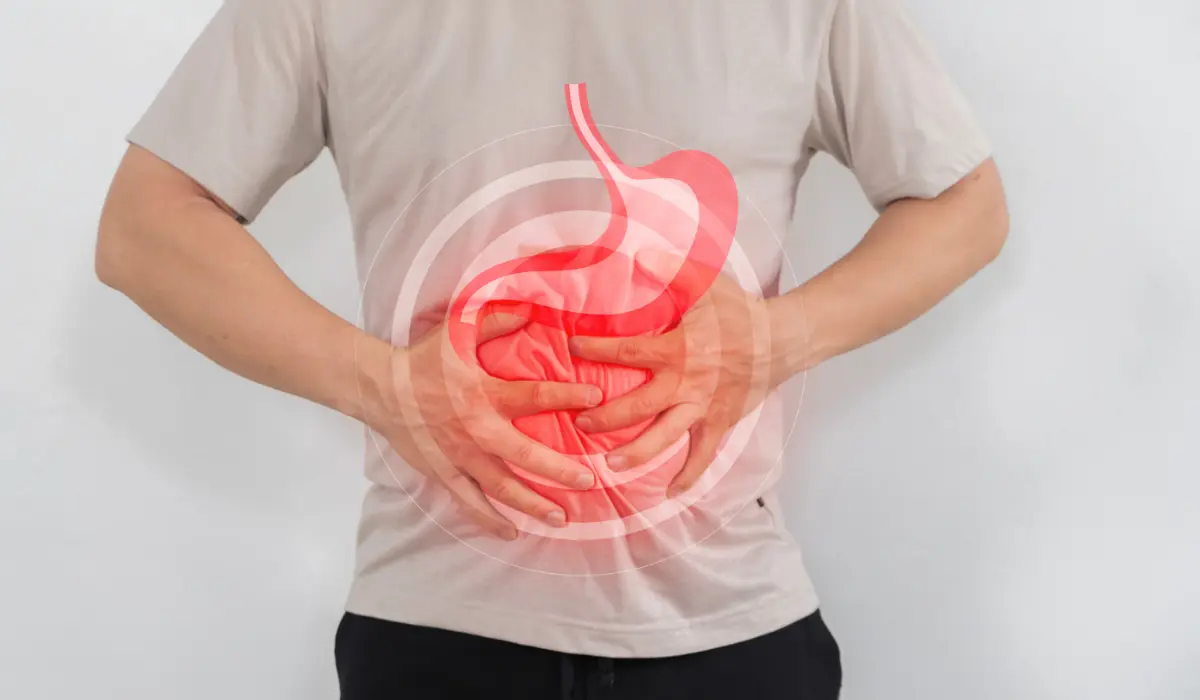
Heavy lifting, intense exercise, sex, orgasm, straining, dehydration, or activity that increases cramping may make bleeding or discomfort feel worse in some people. However, many cases are not caused by anything the pregnant person did.
A subchorionic hematoma is a collection of blood between the pregnancy membrane and the wall of the uterus. It is one possible cause of bleeding in early pregnancy and is usually found during an ultrasound.
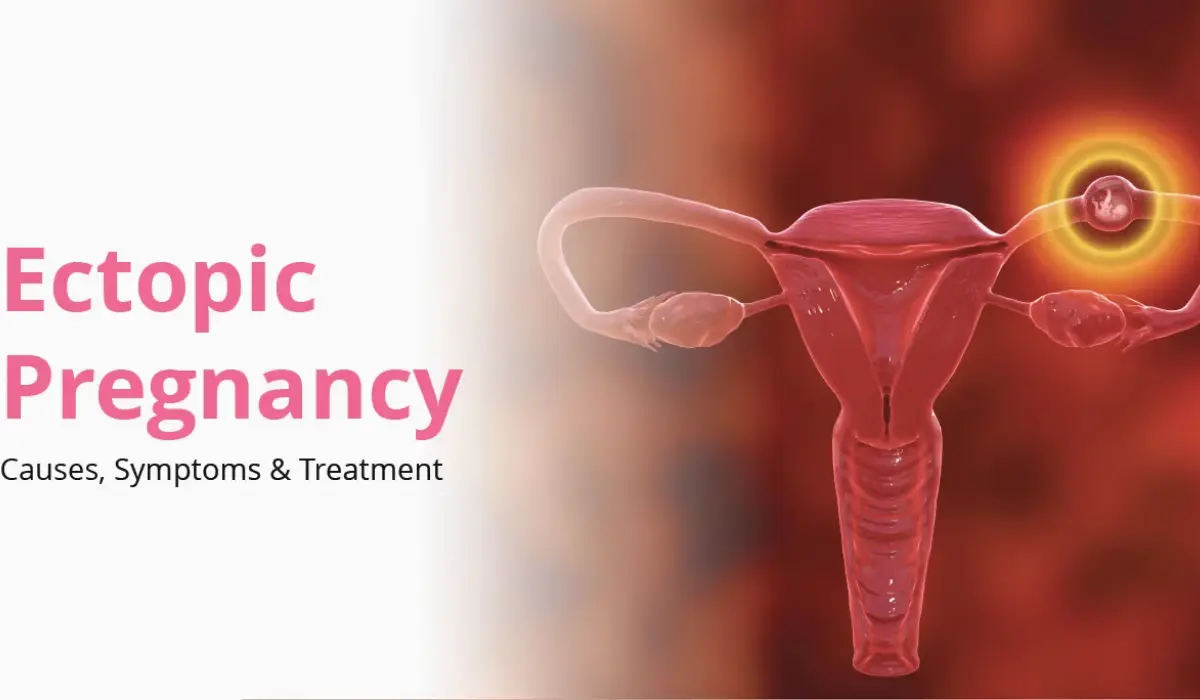
Many subchorionic hematomas shrink and go away on their own. Still, bleeding during pregnancy should always be discussed with a healthcare provider because symptoms can overlap with miscarriage, ectopic pregnancy, infection, or other pregnancy concerns.
A subchorionic hematoma may feel worse after activities that increase pelvic pressure, uterine cramping, or bleeding.
Possible irritants may include:
- Heavy lifting
- Intense exercise
- Running or jumping
- Sex or orgasm
- Straining during bowel movements
- Standing for long periods if symptoms worsen
- Dehydration
- Ignoring worsening bleeding
- Not following pelvic rest instructions
These factors do not affect every pregnancy in the same way. Some people have bleeding even while resting, while others have no symptoms at all. The safest plan is to follow your own provider’s advice.
What Is A Subchorionic Hematoma?
A subchorionic hematoma is a pocket of blood that forms between the chorion, which is part of the pregnancy membrane, and the uterine wall.
It may also be called a subchorionic hemorrhage or subchorionic bleed. These terms are often used in similar ways.
This condition is commonly found during pregnancy ultrasound, especially when someone has spotting or bleeding. Some people do not have symptoms and only find out during a routine scan.
Why Does A Subchorionic Hematoma Happen?
The exact cause is often unknown. In many cases, there is no clear trigger.
It may happen when a small part of the pregnancy membrane separates from the uterine wall, allowing blood to collect in that space.
This does not mean the pregnancy will definitely end in loss. Many people with this ultrasound finding go on to have healthy pregnancies, especially when the hematoma is small and symptoms improve.
Does Anything Really Irritate It?
There is no proven single action that always irritates a subchorionic hematoma. This is important because many pregnant people blame themselves after bleeding starts.
Normal daily actions such as walking around the house, changing positions, showering, or sleeping in a certain position usually do not cause the bleed.
However, if you notice that a certain activity is followed by more bleeding, stronger cramps, or pelvic pressure, stop that activity and call your healthcare provider.
Heavy Lifting
Heavy lifting can increase pressure in the abdomen and pelvis. For some people, this may worsen cramping or bleeding.
This does not mean lifting always causes a subchorionic hematoma. Many cases happen without heavy activity.
If you have active bleeding, ask your provider whether you should avoid lifting heavy bags, furniture, laundry baskets, or carrying toddlers until your next checkup.
Intense Exercise
Exercise recommendations depend on the size of the hematoma, your symptoms, your pregnancy stage, and your medical history.
High-impact exercise may include:
- Running
- Jumping
- Heavy weight training
- Intense core workouts
- High-intensity interval training
- Sports with sudden movements
Some providers may recommend reduced activity for a short time if bleeding is active. Gentle walking may still be allowed for some people, but you should follow your own medical guidance.
Sex, Orgasm, And Pelvic Rest
Sex or orgasm may increase cramping or spotting in some people. Orgasm can cause mild uterine contractions, and sex may irritate the cervix.
Because of this, some providers recommend pelvic rest. Pelvic rest may mean avoiding sex, orgasm, tampons, douching, or anything placed in the vagina.
Pelvic rest is not always needed for every person with a subchorionic hematoma. Your provider can tell you whether it applies to your case.
Constipation And Straining
Constipation is common during pregnancy. Straining during bowel movements can increase pelvic pressure.
This pressure may make spotting or discomfort worse in some people. It may also make anxiety worse if bleeding appears after using the bathroom.
Ask your provider about pregnancy-safe constipation support. Helpful options may include fluids, fiber, gentle movement, or approved stool softeners.
Dehydration And Cramping
Dehydration does not directly cause a subchorionic hematoma, but it may contribute to cramping or uterine irritability in some pregnancies.
Cramping can make symptoms feel more concerning, especially when bleeding is already present.
Drink fluids regularly unless your doctor has told you to limit fluids. Call your provider if you cannot keep fluids down, feel dizzy, or have signs of dehydration.
Stress And Worry
Stress does not directly irritate the hematoma, but bleeding during pregnancy can be emotionally difficult.
Worry may make every cramp, bathroom trip, or spot of blood feel frightening. This is understandable.
A clear follow-up plan can help. Ask your provider what symptoms to watch for, when to repeat ultrasound, and when to call urgently.
What Usually Does Not Cause It?
Many everyday actions are unlikely to cause a subchorionic hematoma by themselves.
These usually do not cause it:
- Sleeping on one side
- Light walking
- Showering
- Sneezing once
- Mild coughing
- Eating a specific food
- Sitting in a chair
- Changing positions
- Normal gentle movement
If your provider gave you activity restrictions, follow them. If not, ask what is safe for your pregnancy.
Symptoms To Watch For
Some people have symptoms, while others do not. Bleeding is the most common sign.
Possible symptoms include:
- Light spotting
- Brown discharge
- Pink discharge
- Bright red bleeding
- Mild cramping
- Pelvic pressure
- Back discomfort
- Passing small clots
- No symptoms, only ultrasound finding
Brown discharge often means old blood is leaving the body. Bright red bleeding may mean newer bleeding and should be reported to your provider.
Brown Blood Vs Red Blood
Blood color can give clues, but it does not tell the whole story.
Brown blood usually means older blood. It may appear as the hematoma drains or starts resolving.
Bright red blood may be fresher. It can happen with active bleeding and should be discussed with your healthcare provider, especially if it becomes heavy or comes with pain.
Does The Size Matter?
Yes, size can matter. A small hematoma may be less concerning and may resolve without major problems.
A larger hematoma, one that grows, or one that causes ongoing heavy bleeding may need closer monitoring.
Location also matters. Your doctor can explain whether the hematoma is small, moderate, or large and whether it is near the placenta or pregnancy sac in a concerning way.
Can A Subchorionic Hematoma Go Away?
Yes, many subchorionic hematomas shrink and resolve on their own. Some disappear within weeks, while others take longer.
You may have brown spotting as old blood leaves the body. Some people stop bleeding even though the ultrasound still shows a small collection.
Follow-up ultrasound can help confirm whether it is shrinking, stable, or increasing.
How Doctors Diagnose It?
A subchorionic hematoma is usually diagnosed by ultrasound. The scan helps show where the blood collection is located and how large it is.
Your provider may also check:
- Gestational age
- Fetal heartbeat
- Cervix
- Amount of bleeding
- Pain level
- Pregnancy history
- Rh blood type
- Signs of other causes of bleeding
Blood tests may be used in some cases, especially if bleeding is heavy or the pregnancy is early.
Treatment And Care
There is no single treatment that instantly removes a subchorionic hematoma. Care usually focuses on monitoring and reducing risk where possible.
Your provider may recommend:
- Repeat ultrasound
- Pelvic rest
- Reduced activity
- Avoiding heavy lifting
- Hydration
- Constipation management
- Monitoring bleeding
- Rh immune globulin if you are Rh-negative
- Follow-up appointments
Do not start medicines, supplements, progesterone, aspirin, or herbal products unless your healthcare provider recommends them.
Is Bed Rest Needed?
Strict bed rest is not proven to heal a subchorionic hematoma. Some providers may suggest reduced activity, but that is different from staying in bed all day.
Complete bed rest can have downsides, including muscle weakness, stress, and clot risk in some people.
Safe Daily Habits
You cannot control everything, but a calmer routine may help you feel safer while monitoring symptoms.
Helpful habits may include:
- Follow activity restrictions
- Avoid heavy lifting if advised
- Avoid sex if pelvic rest is recommended
- Drink enough fluids
- Treat constipation safely
- Track bleeding color and amount
- Keep ultrasound appointments
- Call about worsening symptoms
- Avoid self-blame
- Ask clear questions at visits
These steps do not guarantee a specific outcome, but they support safer monitoring.
When To Call Your Doctor?
Call your healthcare provider for any bleeding during pregnancy. Even light spotting should be mentioned, especially if you already know you have a subchorionic hematoma.
Call promptly if you notice:
- Bleeding that increases
- Bright red bleeding
- New cramping
- Passing clots
- Pelvic pressure
- Back pain
- Dizziness
- Fever
- Pain that feels unusual
- Anxiety about changing symptoms
Your provider can decide whether you need ultrasound, blood tests, an exam, or urgent care.
When To Go To The ER?
Seek urgent medical care if symptoms feel severe or dangerous.
Go to the ER for:
- Heavy bleeding
- Soaking a pad
- Severe abdominal pain
- Severe one-sided pelvic pain
- Shoulder pain
- Dizziness or fainting
- Fever or chills
- Fluid leaking from the vagina
- Large clots
- Severe weakness
- Reduced fetal movement later in pregnancy
These symptoms may suggest a more serious condition and should not wait.
Gallstones And Subchorionic Hematoma In Pregnancy: What Is The Difference?
Gallstones and subchorionic hematoma are different pregnancy concerns. Gallstones affect the gallbladder and often cause upper right abdominal pain, nausea, vomiting, bloating, and pain after fatty meals. A subchorionic hematoma affects the uterus and usually causes vaginal bleeding or spotting. Both may need ultrasound evaluation, but they involve different organs, symptoms, risks, and treatment plans.
Questions To Ask Your Provider
Ask clear questions so you understand your plan.
Helpful questions include:
- How large is the hematoma?
- Where is it located?
- Is the baby’s heartbeat normal?
- Is this old blood or active bleeding?
- Do I need pelvic rest?
- Should I avoid exercise?
- How much can I lift?
- When should I repeat ultrasound?
- What bleeding amount is too much?
- Do I need Rh immune globulin?
- When can I return to normal activity?
- What symptoms mean emergency care?
Writing questions down before your visit may help you feel more prepared.
Conclusion
So, what irritates a subchorionic hematoma? Heavy lifting, intense exercise, sex, orgasm, constipation straining, dehydration, or activities that increase cramping may worsen symptoms in some people. Still, many cases happen without a clear cause, and ordinary daily actions are usually not to blame.
A subchorionic hematoma is usually monitored with ultrasound and follow-up care. Many shrink and resolve naturally.
Call your healthcare provider for any pregnancy bleeding. Seek urgent care for heavy bleeding, severe pain, dizziness, fever, fluid leakage, large clots, or reduced fetal movement later in pregnancy.
FAQs
Heavy lifting, intense exercise, sex, orgasm, straining, or activity that increases cramping may worsen symptoms in some people.
Light walking does not usually cause problems for everyone. Ask your provider if walking increases bleeding, cramps, or pelvic pressure.
Strict bed rest is not proven to heal it. Your provider may recommend reduced activity or pelvic rest based on your symptoms.
Sex or orgasm may increase spotting or cramping in some people. Your provider may recommend pelvic rest until bleeding improves.
Heavy lifting may increase pelvic pressure and worsen symptoms for some people. Ask your provider about safe lifting limits.
Stress does not directly cause the hematoma, but it can make symptoms feel more frightening. A clear care plan may help.
Straining may increase pelvic pressure and may worsen spotting in some people. Ask about pregnancy-safe constipation care.
It is usually diagnosed by ultrasound. Follow-up scans may check whether the hematoma is shrinking, stable, or growing.
Yes. Many subchorionic hematomas shrink and resolve naturally. Brown spotting may happen as old blood leaves the body.
Go urgently for heavy bleeding, severe pain, dizziness, fainting, fever, fluid leakage, large clots, or reduced fetal movement later in pregnancy.
References:
- Cleveland Clinic – Subchorionic Hematoma
https://my.clevelandclinic.org/health/diseases/23511-subchorionic-hematoma - NCBI Bookshelf – Subchorionic Hemorrhage
https://www.ncbi.nlm.nih.gov/books/NBK559017/ - Cleveland Clinic – Bleeding During Pregnancy
https://my.clevelandclinic.org/health/symptoms/22044-bleeding-during-pregnancy