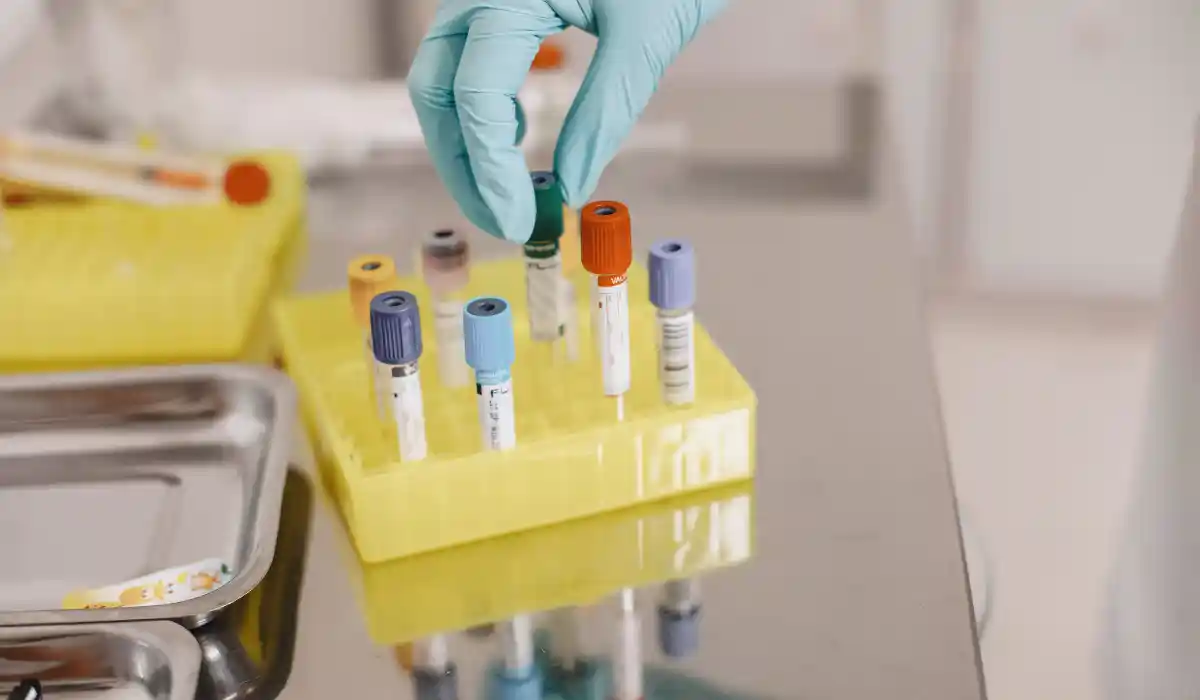
VLDL cholesterol stands for very-low-density lipoprotein, a type of blood fat carrier made by the liver. VLDL mainly carries triglycerides through the bloodstream, and high VLDL cholesterol may increase the risk of artery plaque, heart disease, and stroke.
VLDL is often called a type of “bad” cholesterol because it can contribute to fatty buildup in artery walls. It is different from LDL cholesterol, but both can affect cardiovascular health.
Most people do not feel symptoms from high VLDL. A blood test called a lipid panel can help your healthcare provider check triglycerides, LDL, HDL, total cholesterol, and sometimes estimated VLDL.
VLDL cholesterol is a particle made by the liver that carries triglycerides to tissues in the body. Triglycerides are a common type of fat used for energy.
A high VLDL level is usually linked with high triglycerides. It may raise the risk of plaque buildup in the arteries, especially when it appears with high LDL cholesterol, low HDL cholesterol, diabetes, obesity, smoking, or high blood pressure.
The best way to lower VLDL cholesterol usually includes improving triglyceride levels through diet, exercise, weight management, blood sugar control, alcohol reduction, and sometimes medication.
What Is VLDL Cholesterol?
VLDL stands for very-low-density lipoprotein. Your liver makes VLDL and releases it into your bloodstream. MedlinePlus explains that VLDL particles mainly carry triglycerides to body tissues.
VLDL and LDL are both considered harmful when levels are too high. The main difference is what they carry. VLDL mostly carries triglycerides, while LDL mainly carries cholesterol.
Because VLDL can add to artery plaque, doctors often look at it as part of your broader heart-risk picture.
VLDL Cholesterol Vs LDL Cholesterol Vs HDL Cholesterol
VLDL, LDL, and HDL are all lipoproteins. They help move fats through the blood because cholesterol and triglycerides do not dissolve well in blood.
| Type | Full Name | Main Job | Common Meaning |
| VLDL | Very-low-density lipoprotein | Carries triglycerides | Often considered bad |
| LDL | Low-density lipoprotein | Carries cholesterol to tissues | Bad cholesterol |
| HDL | High-density lipoprotein | Carries cholesterol back to liver | Good cholesterol |
| Triglycerides | Blood fats | Store and supply energy | High levels may raise risk |
The American Heart Association notes that high triglycerides combined with high LDL or low HDL are linked with fatty buildups in artery walls, increasing heart attack and stroke risk.
Why VLDL Cholesterol Matters?
VLDL cholesterol matters because it is closely tied to triglycerides and artery plaque. When triglycerides are high, VLDL is often high too.
High VLDL may contribute to atherosclerosis, which means fatty plaque builds up inside arteries. Over time, this can reduce blood flow and raise the risk of heart attack or stroke.
What Is A Normal VLDL Cholesterol Level?
VLDL is not always measured directly. It is often estimated from triglyceride levels.
Mayo Clinic states that VLDL cholesterol is usually estimated as a percentage of the triglyceride value, and an elevated VLDL level is more than 30 mg/dL.
| VLDL Result | Meaning |
| About 2–30 mg/dL | Often considered normal |
| More than 30 mg/dL | May be elevated |
| High VLDL with high triglycerides | May need lifestyle changes or treatment |
Your doctor may focus more on triglycerides, LDL, non-HDL cholesterol, and overall cardiovascular risk than VLDL alone.
What Causes High VLDL Cholesterol?
High VLDL cholesterol is usually related to high triglycerides. Triglycerides can rise when the body has more calories, sugar, alcohol, or refined carbohydrates than it needs.
Common causes and risk factors include:
- Excess body weight
- Diet high in sugar or refined carbs
- Too much alcohol
- Physical inactivity
- Smoking
- Type 2 diabetes
- Insulin resistance
- Metabolic syndrome
- Hypothyroidism
- Kidney disease
- Certain medicines
- Family history
Common Symptoms Of High VLDL Cholesterol
High VLDL cholesterol usually does not cause symptoms. You may feel normal even when VLDL or triglycerides are too high.
This is why cholesterol testing matters. Many people only learn they have abnormal cholesterol after a routine blood test.
Very high triglycerides may sometimes increase the risk of pancreatitis, which can cause severe upper abdominal pain, nausea, vomiting, and urgent illness.
Diagnosis And Testing For VLDL Cholesterol
Doctors usually check VLDL as part of a lipid panel. This blood test may include:
- Total cholesterol
- LDL cholesterol
- HDL cholesterol
- Triglycerides
- Non-HDL cholesterol
- Estimated VLDL cholesterol in some reports
Your provider may also check blood sugar, A1C, thyroid function, kidney function, liver function, blood pressure, weight, and family history.
If your triglycerides are very high, your doctor may ask whether you recently ate, drank alcohol, changed medicines, or had uncontrolled diabetes.
Is VLDL Cholesterol Bad?
VLDL is often considered bad when levels are high because it can contribute to fatty deposits in the arteries.
However, your body does need triglycerides for energy. The issue is not that VLDL exists, but that too much VLDL and triglyceride-rich particles can raise cardiovascular risk.
VLDL Cholesterol And Triglycerides
VLDL cholesterol and triglycerides are closely connected. VLDL is one of the main carriers that moves triglycerides through the blood.
When triglycerides are high, VLDL is often high too. That is why many treatment plans focus on lowering triglycerides rather than only looking at VLDL.
Common triglyceride-lowering habits include limiting sugary foods, reducing refined carbohydrates, avoiding excess alcohol, exercising, losing excess weight, and managing blood sugar.
VLDL Cholesterol And Heart Disease
High VLDL cholesterol may increase heart disease risk because it can contribute to plaque buildup in the arteries.
The risk may be higher when high VLDL appears with:
- High LDL cholesterol
- Low HDL cholesterol
- High triglycerides
- Diabetes
- High blood pressure
- Smoking
- Obesity
- Family history of early heart disease
How To Lower VLDL Cholesterol Naturally?
Lowering VLDL usually means lowering triglycerides and improving overall cholesterol health.
Helpful lifestyle steps include:
- Limit added sugar
- Reduce refined carbohydrates
- Choose whole grains
- Eat more vegetables
- Add beans, lentils, fruits, and fiber
- Choose healthy fats
- Exercise regularly
- Lose excess weight if needed
- Avoid smoking
- Limit or avoid alcohol
- Manage diabetes and thyroid problems
Lifestyle changes work best when they are realistic and consistent.
Best Foods To Help Lower VLDL Cholesterol
A heart-healthy diet may help lower VLDL and triglycerides.
Better food choices include:
- Oats
- Barley
- Beans
- Lentils
- Vegetables
- Whole fruits
- Nuts
- Seeds
- Olive oil
- Avocado
- Fatty fish
- Whole grains
These foods can help replace sugary snacks, fried foods, refined carbs, and processed meals.
Foods That May Raise VLDL Cholesterol
Some foods and drinks can raise triglycerides, which may increase VLDL.
Try to limit:
- Sugary drinks
- Sweets and desserts
- White bread
- White rice in large portions
- Refined pasta
- Fried foods
- Processed meats
- Alcohol
- Packaged snacks
- Foods with trans fats
You do not need a perfect diet. Small daily improvements can help over time.
Exercise And VLDL Cholesterol
Regular exercise can help lower triglycerides and improve cholesterol balance.
Good options include:
- Brisk walking
- Cycling
- Swimming
- Dancing
- Jogging
- Strength training
- Hiking
- Low-impact aerobics
Start with what feels safe. If you have chest pain, heart disease, severe shortness of breath, or major health concerns, ask your doctor before starting intense exercise.
Medical Treatment For High VLDL Cholesterol
Treatment depends on your full lipid panel and overall heart risk. Doctors usually treat the underlying issue, such as high triglycerides, high LDL, diabetes, thyroid disease, or metabolic syndrome.
Your provider may recommend:
- Lifestyle changes
- Statins
- Fibrates in selected cases
- Prescription omega-3 medicines
- Diabetes treatment
- Thyroid treatment if needed
- Blood pressure control
Do not start supplements or cholesterol medicines without medical advice.
Common Mistakes To Avoid
Avoid focusing only on one cholesterol number. VLDL matters, but LDL, HDL, triglycerides, blood pressure, diabetes, and smoking history also matter.
Common mistakes include:
- Ignoring high triglycerides
- Drinking alcohol despite high triglycerides
- Eating “low-fat” foods high in sugar
- Skipping follow-up blood tests
- Stopping medicine without asking a doctor
- Taking supplements without checking interactions
- Thinking normal weight always means normal cholesterol
A complete plan is safer than chasing one number.
When To See A Doctor?
See a healthcare provider if your lipid panel shows high VLDL, high triglycerides, high LDL, low HDL, or high total cholesterol.
You should also talk to a doctor if you have diabetes, high blood pressure, kidney disease, thyroid disease, obesity, smoking history, or a family history of early heart disease.
Seek urgent care for chest pain, shortness of breath, pain spreading to the arm or jaw, sudden weakness, trouble speaking, fainting, or severe upper abdominal pain with vomiting.
Questions To Ask Your Doctor
Helpful questions include:
- What is my VLDL cholesterol level?
- Are my triglycerides high?
- What are my LDL and HDL numbers?
- What is my overall heart disease risk?
- Do I need medicine?
- Should I repeat the test fasting?
- Could diabetes or thyroid disease be affecting my results?
- How much should I limit sugar or alcohol?
- What exercise is safe for me?
- How often should I repeat my lipid panel?
These questions can help you understand your results and treatment plan.
Conclusion
It is a very-low-density lipoprotein made by the liver that mainly carries triglycerides through the blood. High VLDL cholesterol can contribute to artery plaque and may raise the risk of heart disease and stroke.
Most people do not have symptoms, so a lipid panel is important. If your VLDL or triglycerides are high, lifestyle changes and medical care can help reduce risk.
Focus on the full heart-health picture, including LDL, HDL, triglycerides, blood pressure, blood sugar, weight, smoking, and family history.
FAQs
VLDL cholesterol is very-low-density lipoprotein. It is made by the liver and mainly carries triglycerides through the bloodstream.
High VLDL is often considered bad because it may add to artery plaque and increase heart disease risk.
A VLDL level around 2–30 mg/dL is often considered normal. More than 30 mg/dL may be elevated.
High VLDL is usually linked to high triglycerides, excess sugar, refined carbs, alcohol, inactivity, diabetes, obesity, or genetics.
VLDL is usually estimated during a lipid panel blood test, often using triglyceride levels.
You may lower VLDL by reducing sugar, refined carbs, and alcohol, exercising regularly, losing excess weight, and managing diabetes.
No. VLDL mainly carries triglycerides, while LDL mainly carries cholesterol. Both can contribute to artery plaque when high.
High VLDL usually causes no symptoms. Very high triglycerides may raise the risk of pancreatitis, which can cause severe abdominal pain.
Yes. Diets high in sugar, refined carbs, alcohol, and excess calories can raise triglycerides and VLDL.
It depends on your full lipid panel and heart risk. Your doctor may recommend lifestyle changes, statins, fibrates, or other treatments.
References:
- MedlinePlus – VLDL Cholesterol
https://medlineplus.gov/vldlcholesterol.html - Mayo Clinic – VLDL Cholesterol: Is It Harmful?
https://www.mayoclinic.org/diseases-conditions/high-blood-cholesterol/expert-answers/vldl-cholesterol/faq-20058275