The best way to increase HDL cholesterol is to exercise regularly, stop smoking, choose heart-healthy fats, eat more fiber-rich foods, manage weight, and control blood sugar and blood pressure.
HDL cholesterol helps carry extra cholesterol away from the arteries and back to the liver. A healthy HDL level may support heart health, but it is only one part of your full cholesterol picture.
The goal is not just to raise HDL. A better goal is to improve overall heart health by lowering LDL cholesterol when needed, managing triglycerides, and reducing heart disease risk.
How To Increase HDL Cholesterol?
You can increase HDL cholesterol naturally by making steady heart-healthy lifestyle changes. Regular physical activity, quitting smoking, healthy fats, fiber-rich foods, and weight management are some of the most useful steps.
Helpful habits include:
- Exercise most days of the week
- Stop smoking or vaping
- Eat more fruits, vegetables, beans, and whole grains
- Choose olive oil, nuts, seeds, avocado, and fatty fish
- Limit trans fats and reduce excess saturated fat
- Manage diabetes, blood pressure, and triglycerides
- Maintain a healthy weight
- Follow your doctor’s cholesterol plan
Small changes done consistently are usually safer and more useful than extreme short-term diets.
What Is HDL Cholesterol?
HDL stands for high-density lipoprotein. It is one type of cholesterol carrier in the blood.
HDL is called good cholesterol because it helps move cholesterol away from the arteries and back to the liver. The liver can then process and remove it from the body.
However, HDL does not remove all cholesterol. Your doctor will also look at LDL cholesterol, triglycerides, total cholesterol, blood pressure, blood sugar, smoking history, and family history.
Why HDL Cholesterol Matters?
Healthy HDL cholesterol levels may help lower the risk of heart disease and stroke. HDL supports the body’s natural cholesterol cleanup process.
HDL cholesterol and heart disease are linked because HDL helps carry some LDL cholesterol away from artery walls and back to the liver. Healthy HDL levels may lower the risk of heart attack and stroke, but HDL is only one part of heart health. LDL, triglycerides, blood pressure, diabetes, smoking, weight, and family history also matter. A complete plan should focus on improving the full cholesterol profile and overall cardiovascular risk.
LDL cholesterol is often called “bad” cholesterol because high LDL can contribute to plaque buildup in the arteries. HDL helps carry some LDL cholesterol away from the arteries.
Still, raising HDL alone does not guarantee protection. A complete heart-health plan should focus on the full lipid panel and overall cardiovascular risk.
Healthy HDL Cholesterol Levels
Your HDL level is checked with a blood test called a lipid panel. This test also checks LDL cholesterol, total cholesterol, and triglycerides.
| Group | Healthy HDL Level |
| Age 19 or younger | More than 45 mg/dL |
| Men age 20 or older | More than 40 mg/dL |
| Women age 20 or older | More than 50 mg/dL |
| Ideal level for many adults | 60 mg/dL or higher |
These numbers are general guides. Your provider may focus more on your full heart disease risk than one number alone.
Why HDL Cholesterol Can Be Low?
Low HDL cholesterol can happen for many reasons. Some are related to lifestyle, while others involve genetics or medical conditions.
Common causes may include:
- Smoking
- Lack of exercise
- Excess body weight
- Type 2 diabetes
- Insulin resistance
- High triglycerides
- Metabolic syndrome
- Diet high in refined carbohydrates
- Trans fat intake
- Family history
- Certain medicines
Low HDL often happens along with high triglycerides, high blood pressure, or blood sugar problems. That is why a full health review is important.
Symptoms Of Low HDL Cholesterol
Low HDL cholesterol usually does not cause symptoms. You may feel completely normal even if your cholesterol numbers are unhealthy.
Most people only find out through a lipid panel blood test. This is why routine cholesterol screening matters, especially if you have risk factors.
Chest pain, shortness of breath, sudden weakness, or trouble speaking are not signs of low HDL itself. These may be emergency symptoms of heart attack or stroke and need urgent care.
Diagnosis And Cholesterol Tests
Doctors check HDL with a lipid panel. This test may be done after fasting or without fasting, depending on your provider’s instructions.
A lipid panel usually includes:
- HDL cholesterol
- LDL cholesterol
- Total cholesterol
- Triglycerides
- Sometimes non-HDL cholesterol
Your doctor may also check blood pressure, blood sugar, A1C, kidney function, thyroid function, weight, waist size, and family history.
How To Increase HDL Cholesterol With Exercise?
Exercise is one of the best lifestyle steps to increase HDL cholesterol. It can also help lower triglycerides, support weight control, reduce blood pressure, and improve insulin sensitivity.
Good options include:
- Brisk walking
- Cycling
- Swimming
- Dancing
- Jogging
- Hiking
- Low-impact aerobics
- Strength training
Start slowly if you are not active now. Even regular walking can help. If you have chest pain, heart disease, shortness of breath, or a serious medical condition, ask your doctor what exercise is safe.
How To Increase HDL Cholesterol With Food?
Food choices can support healthier HDL levels and improve your full cholesterol profile. The goal is to choose a heart-healthy eating pattern, not one “magic” food.
Helpful foods may include:
- Fatty fish such as salmon or sardines
- Extra virgin olive oil
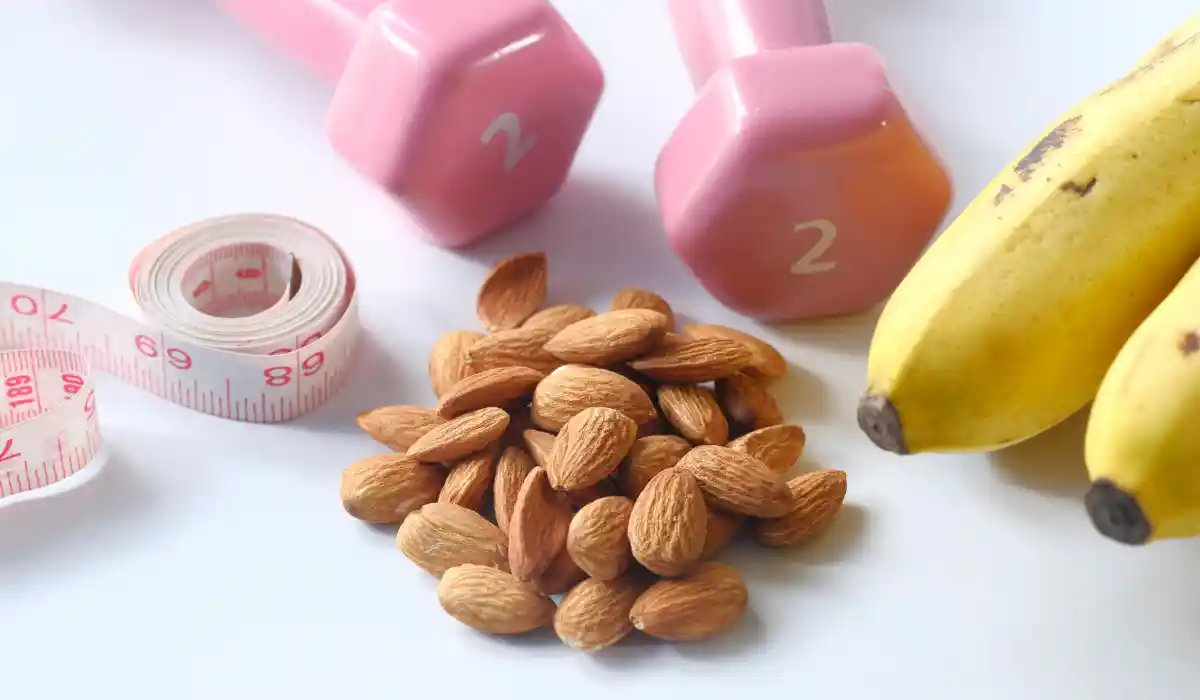
- Nuts such as almonds or walnuts
- Seeds such as chia or flaxseed
- Avocado
- Beans and lentils
- Oats and barley
- Fruits and vegetables
- Whole grains
These foods may support HDL, lower LDL, improve triglycerides, or support weight and blood sugar control.
Healthy Fats To Raise Good Cholesterol
Healthy fats may help support good cholesterol when they replace less healthy fats.
Better fat choices include:
- Olive oil
- Avocado
- Nuts
- Seeds
- Fatty fish
- Nut butters without excess sugar
- Canola oil in moderation
Limit trans fats as much as possible. Also keep saturated fats moderate, especially from fatty meats, butter, full-fat dairy, and fried foods.
Fiber-Rich Foods For Better Cholesterol
Fiber is important for heart health. It may not directly raise HDL as strongly as exercise, but it helps improve the overall cholesterol pattern.
Good fiber sources include:
- Oats
- Beans
- Lentils
- Vegetables
- Fruits
- Barley
- Brown rice
- Whole grains
- Chia seeds
- Flaxseed
A fiber-rich diet can also help with fullness, weight control, blood sugar balance, and digestive health.
Quit Smoking To Increase HDL Cholesterol
Stopping smoking is one of the most important ways to protect the heart. Smoking can lower HDL cholesterol and damage blood vessels.
Quitting may help improve HDL and lower overall cardiovascular risk. It also supports lung health, blood pressure, circulation, and exercise tolerance.
If quitting feels difficult, ask your healthcare provider about nicotine replacement, medicines, counseling, or support programs. Avoiding secondhand smoke also matters.
Weight Management And HDL Cholesterol
Excess body weight can lower HDL and raise triglycerides. Losing even a modest amount of weight may improve cholesterol numbers for some people.
Avoid crash diets. They are hard to maintain and may create other health problems.
A safer plan includes regular meals, more whole foods, smaller portions, physical activity, good sleep, and medical guidance when needed.
Manage Blood Sugar And Blood Pressure
Low HDL often appears with diabetes, insulin resistance, high triglycerides, and high blood pressure. These conditions can raise heart disease risk.
Managing blood sugar and blood pressure may improve overall cardiovascular health. This may include diet changes, exercise, weight control, sleep, stress management, and medicines if prescribed.
If you have diabetes or high blood pressure, do not focus only on HDL. Work with your doctor on a complete heart-risk plan.
Should You Drink Alcohol To Raise HDL?
Alcohol may raise HDL in some people, but it is not a safe strategy for improving cholesterol.
Alcohol can raise triglycerides, increase blood pressure, affect the liver, worsen sleep, add calories, and interact with medicines.
If you do not drink, do not start for HDL. If you already drink, ask your doctor what amount is safe for you.
Supplements And HDL Cholesterol
Some supplements are marketed for cholesterol support, but they are not always safe or effective. Some may interact with medicines or cause side effects.
Do not start niacin, fish oil, red yeast rice, or herbal products without medical advice. Some products may change lab numbers without lowering heart risk.
Food, exercise, smoking cessation, and prescribed treatment are safer foundations for most people.
Treatment Options For Low HDL
Doctors usually do not prescribe medicine only to raise HDL cholesterol. Instead, treatment focuses on lowering overall cardiovascular risk.
If LDL cholesterol is high, your provider may recommend statins or other cholesterol-lowering medicines. If triglycerides are high, treatment may focus on diet, diabetes control, weight management, alcohol reduction, or medication.
The right plan depends on your full lipid panel, age, health conditions, family history, and heart disease risk.
Risks Of Focusing Only On HDL
HDL is important, but it is not the whole story. A person can have a decent HDL level and still have high LDL, high triglycerides, diabetes, or high blood pressure.
Very high HDL is not always a guarantee of protection. Heart risk depends on the full picture.
That is why the best approach is to increase HDL cholesterol naturally while also improving LDL, triglycerides, blood pressure, blood sugar, weight, and smoking status.
When To See A Doctor?
See a healthcare provider if you have low HDL, high LDL, high triglycerides, diabetes, high blood pressure, obesity, smoking history, or a family history of early heart disease.
Get urgent medical help if you have:
- Chest pain
- Shortness of breath
- Pain spreading to the arm, jaw, or back
- Sudden weakness on one side
- Trouble speaking
- Sudden vision changes
- Fainting
- Severe dizziness
- New confusion
These symptoms may suggest heart attack, stroke, or another emergency.
Prevention And Lifestyle Tips
The best way to improve HDL cholesterol is to build a routine you can maintain.
Helpful tips include:
- Walk daily if possible
- Add strength training if safe
- Eat vegetables with most meals
- Choose whole grains over refined grains
- Use olive oil instead of butter when appropriate
- Eat fish or plant omega-3 sources
- Quit smoking or vaping
- Sleep enough
- Manage stress
- Follow prescribed medicines
Simple habits repeated over time can make a meaningful difference.
Questions To Ask Your Doctor
Bring your lipid panel results to your appointment and ask clear questions.
Helpful questions include:
- Is my HDL cholesterol too low?
- What are my LDL and triglyceride levels?
- What is my overall heart disease risk?
- Do I need medicine?
- How often should I repeat cholesterol testing?
- Should I check blood sugar or A1C?
- What exercise is safe for me?
- Should I change my diet?
- Are my medicines affecting cholesterol?
- Should I see a dietitian?
These questions can help you build a realistic plan.
Conclusion
Learning how to increase HDL cholesterol is really about improving overall heart health. Regular exercise, quitting smoking, healthy fats, fiber-rich foods, weight management, and blood sugar control can all support healthier HDL levels.
Low HDL usually has no symptoms, so a lipid panel is important. Your provider can explain your HDL, LDL, triglycerides, and total heart disease risk.
Focus on steady habits rather than quick fixes. The best cholesterol plan is safe, realistic, and built for long-term heart protection.
FAQs
You can increase HDL cholesterol naturally with regular exercise, smoking cessation, healthy fats, fiber-rich foods, weight management, and blood sugar control.
Fatty fish, olive oil, nuts, seeds, avocado, beans, whole grains, fruits, and vegetables may support healthier HDL levels.
Yes. Regular physical activity can help raise HDL, lower triglycerides, support weight control, and improve heart health.
A healthy HDL level is generally above 40 mg/dL for adult men and above 50 mg/dL for adult women.
Yes. Quitting smoking may help raise HDL and improve blood vessel health while lowering overall heart disease risk.
Alcohol may raise HDL in some people, but it is not recommended as a safe cholesterol strategy because it can cause other health risks.
Low HDL usually causes no symptoms. A lipid panel blood test is the main way to check HDL and other cholesterol levels.
Do not start supplements without medical advice. Some supplements can interact with medicines or fail to reduce heart risk.
Both matter, but doctors often focus strongly on lowering LDL and reducing overall heart disease risk.
It may take several weeks to months. Repeat blood testing can show whether lifestyle changes are improving your cholesterol numbers.
Reference
- Mayo Clinic – HDL Cholesterol: How To Boost Your Good Cholesterol
https://www.mayoclinic.org/diseases-conditions/high-blood-cholesterol/in-depth/hdl-cholesterol/art-20046388 - Cleveland Clinic – HDL: Can You Raise Your Good Cholesterol?
https://health.clevelandclinic.org/hdl-is-it-possible-to-raise-your-good-cholesterol-2