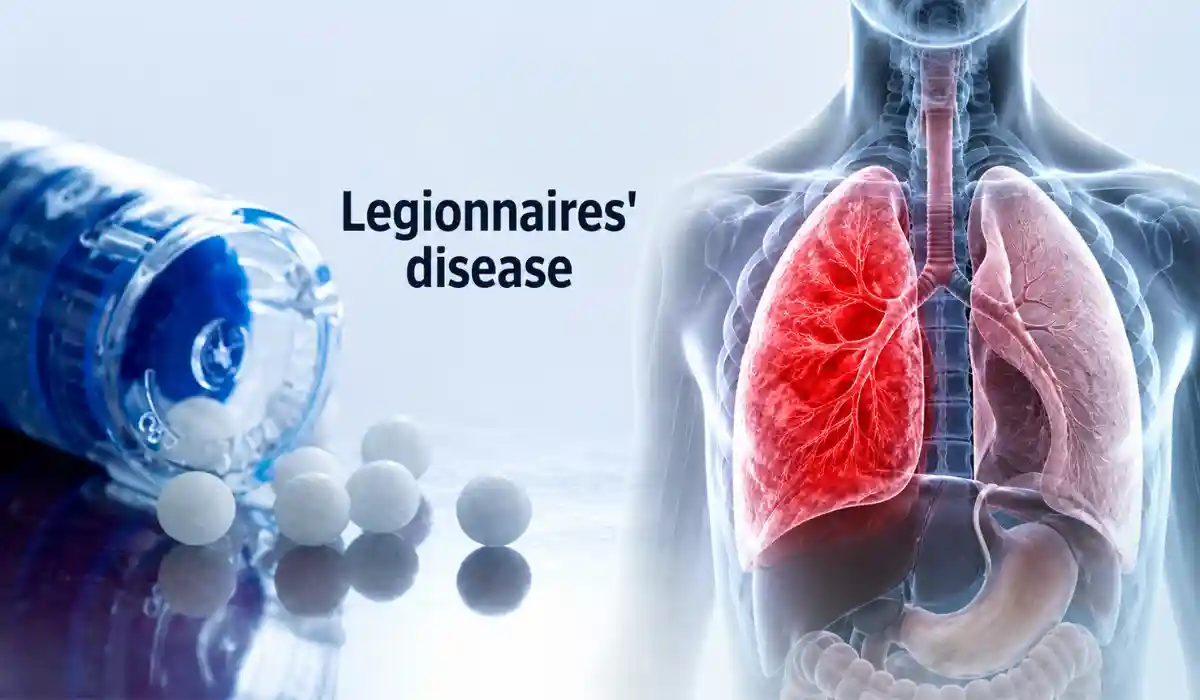
Legionnaires disease is a serious lung infection caused by Legionella bacteria. It is a type of pneumonia that can make people very sick, especially older adults, smokers, and people with weak immune systems. The infection usually happens when someone breathes in tiny water droplets that contain the bacteria.
It does not usually spread from person to person. Most cases are linked to contaminated water systems, such as hot tubs, cooling towers, large plumbing systems, and decorative fountains. Knowing the symptoms and risk factors can help people get care early.
What Is Legionnaires Disease?
Legionnaires disease is a severe form of pneumonia. Pneumonia means the lungs become infected and inflamed, which can make breathing harder.
The illness is caused by Legionella bacteria. These bacteria can grow in warm water when water systems are not cleaned or maintained well. People can get infected when contaminated water becomes mist or spray and is breathed into the lungs.
There is also a milder illness linked to Legionella called Pontiac fever. Pontiac fever can cause flu-like symptoms, but it does not usually cause pneumonia.
How Does Legionella Spread?
Legionella spreads through tiny water droplets in the air. A person may breathe in these droplets from certain water sources.
Common sources may include:
- Hot tubs
- Cooling towers
- Large building water systems
- Decorative fountains
- Showerheads
- Humidifiers
- Some medical water devices
Small home air conditioners and car air conditioners are not common sources because they do not use water to cool the air. The main concern is contaminated water mist, not normal direct contact with another sick person.
Common Symptoms
Symptoms usually appear within 2 to 14 days after exposure. Some people may first feel like they have the flu, then develop stronger lung symptoms.
Common symptoms may include high fever, cough, shortness of breath, chest pain, muscle aches, headache, tiredness, chills, diarrhea, nausea, and confusion. Some people may first feel like they have the flu before stronger breathing symptoms appear.
The cough may be dry at first or may bring up mucus later. Shortness of breath, chest pain, or confusion can be warning signs that the infection is becoming serious.
Who Is at Higher Risk?
Anyone can get Legionnaires disease, but some people have a higher chance of severe illness.
Risk is higher in:
- Adults over age 50
- Current or former smokers
- People with chronic lung disease
- People with weak immune systems
- People with cancer
- People with diabetes
- People with kidney or liver disease
People who live in or visit buildings with poorly maintained water systems may also face higher risk if Legionella is present.
How Doctors Diagnose It?
Doctors may suspect Legionnaires disease when a person has pneumonia symptoms and possible exposure to a risky water source.
Testing may include a chest X-ray, urine test, blood tests, or a sample of mucus from the lungs. The urine test can help detect certain Legionella infections, while respiratory samples may help confirm the exact cause.
Diagnosis matters because Legionnaires disease needs proper antibiotic treatment. It can look like other types of pneumonia, so testing helps guide care.
Treatment Options
Legionnaires disease is treated with antibiotics. Many people improve with early treatment, but some may need hospital care, oxygen support, or fluids if symptoms are severe.
Treatment depends on age, symptoms, overall health, and how serious the pneumonia is. People with breathing problems, confusion, low oxygen, or other medical conditions may need closer monitoring.
Do not try to treat possible pneumonia at home without medical advice. Early care can reduce the risk of complications.
Add this section:
Legionnaires Disease vs Parasite Infection
Legionnaires disease and parasite infections can both cause stomach-related symptoms, but they are very different conditions. This illness is mainly a lung infection caused by Legionella bacteria. It usually spreads when a person breathes in tiny water droplets from contaminated water systems.
A parasite infection usually affects the digestive system. For example, Giardia can spread through contaminated food, water, or surfaces and may cause diarrhea, gas, stomach cramps, nausea, dehydration, and greasy or foul-smelling stools.
Prevention and Safety Tips
You cannot always see, smell, or taste Legionella in water. Prevention depends mostly on safe water system maintenance.
For homes, it may help to clean showerheads, maintain hot tubs properly, and follow product instructions for humidifiers or water devices.
For buildings, hotels, hospitals, and care facilities, water management is very important. Regular cleaning, temperature control, disinfectant levels, and flushing stagnant water can reduce risk.
People at higher risk should be careful with poorly maintained hot tubs, large public water systems, or places with known outbreaks.
When to Seek Professional Help?
Call a healthcare provider if you develop fever, cough, muscle aches, shortness of breath, or chest discomfort after possible exposure to contaminated water mist.
Seek urgent medical care if you have trouble breathing, chest pain, confusion, bluish lips, severe weakness, fainting, or a very high fever. These may be signs of serious pneumonia or low oxygen.
Older adults, smokers, and people with weak immune systems should not wait too long to get checked.
Final Thoughts
Legionnaires disease is uncommon, but it can be serious. It usually spreads through contaminated water droplets, not through normal person-to-person contact.
The most important steps are recognizing symptoms early, getting medical care when pneumonia signs appear, and following proper disease prevention guidance. Preventing Legionella growth through safe water system maintenance can help reduce risk. Early diagnosis and treatment can make a major difference.
FAQs
Legionnaires disease is caused by Legionella bacteria. People usually get infected by breathing tiny contaminated water droplets from hot tubs, cooling towers, or plumbing systems.
It usually does not spread from person to person. Most infections happen when someone breathes mist or spray from water contaminated with Legionella bacteria.
Early symptoms may include fever, headache, muscle aches, tiredness, chills, and cough. Some people later develop shortness of breath, chest pain, or confusion.
It can be serious because it is a form of pneumonia. Older adults, smokers, and people with weak immune systems have higher risk of complications.
Doctors treat it with antibiotics. Some people recover at home, while others may need hospital care, oxygen support, or closer medical monitoring.
Prevention focuses on water safety. Hot tubs, plumbing systems, fountains, and cooling towers should be cleaned, disinfected, and maintained properly to reduce bacterial growth.
Reference
- CDC – About Legionnaires’ Disease
https://www.cdc.gov/legionella/about/index.html - NHS – Legionnaires’ Disease
https://www.nhs.uk/conditions/legionnaires-disease/