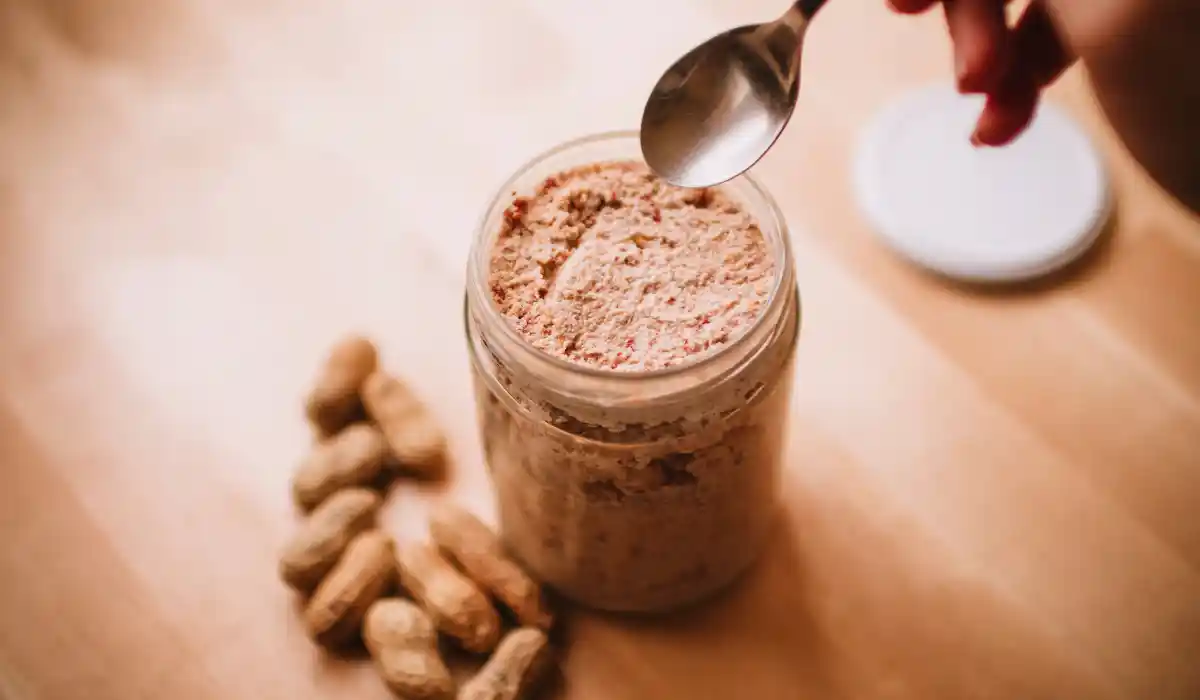
For most people, peanut butter is not bad for cholesterol when eaten in moderate amounts and when you choose a simple product without added hydrogenated oils, excess sugar, or too much salt. Peanut butter contains mostly unsaturated fats, which may fit into a heart-healthy diet.
Peanut butter does not contain dietary cholesterol because it comes from peanuts, a plant food. The bigger issue is the type of fat, portion size, added ingredients, and the rest of your diet.
If you have high LDL cholesterol, high triglycerides, diabetes, heart disease, or a peanut allergy, you should choose peanut butter carefully and ask your healthcare provider for personal advice.
Peanut butter is usually not bad for cholesterol if you eat it in the right portion and choose the right type. A good choice is natural peanut butter made with peanuts and little or no added salt.
Peanut butter may be a better choice than butter, cream cheese, processed spreads, or sugary snacks because it contains more unsaturated fat, protein, and fiber.
However, it can become less heart-friendly if you eat large amounts or choose products with added sugar, high sodium, palm oil, or hydrogenated oils.
Is Peanut Butter Bad For Cholesterol Or Heart Health?
Peanut butter is not automatically bad for cholesterol. In fact, peanuts and nut butters can fit into a cholesterol-friendly eating plan when they replace foods high in saturated fat.
The key is moderation. Peanut butter is calorie-dense, so eating too much can lead to weight gain, which may worsen cholesterol, triglycerides, blood pressure, or blood sugar in some people.
What Is Cholesterol?
Cholesterol is a waxy substance made by your liver. Your body needs some cholesterol to make cells, hormones, and vitamin D.
Cholesterol becomes a concern when certain blood fats are too high or out of balance. LDL cholesterol can build up in artery walls, while HDL cholesterol helps carry cholesterol back to the liver.
Does Peanut Butter Contain Cholesterol?
Peanut butter does not contain cholesterol because cholesterol is found only in animal-based foods. Peanuts are plant-based.
However, “cholesterol-free” does not always mean unlimited. A food can still affect cholesterol if it is high in saturated fat, trans fat, added sugar, refined carbs, or calories.
Plain peanut butter has a healthier fat profile than many animal-based spreads, but the label still matters.
Peanut Butter Nutrition: What Matters Most?
Peanut butter contains fat, protein, fiber, vitamins, and minerals. Most of its fat is unsaturated fat, but it also contains some saturated fat.
| Peanut Butter Factor | Why It Matters For Cholesterol |
| Unsaturated fat | May support healthier LDL levels when replacing saturated fat |
| Saturated fat | Too much may raise LDL cholesterol |
| Fiber | Supports heart and digestive health |
| Protein | Helps fullness and may reduce snacking |
| Added sugar | Can worsen weight and triglyceride control |
| Sodium | May affect blood pressure if intake is high |
| Portion size | Large amounts add calories quickly |
The healthiest choice is usually peanut butter with a short ingredient list.
Peanut Butter And LDL Cholesterol
LDL cholesterol is the number many doctors focus on because high LDL can contribute to plaque buildup in the arteries.
Peanut butter may help support LDL control when it replaces foods such as butter, processed meats, pastries, or high-saturated-fat snacks.
Still, peanut butter is not a treatment for high LDL. If your LDL is high, your provider may recommend diet changes, exercise, weight management, and sometimes medicine.
Peanut Butter And HDL Cholesterol
HDL cholesterol is often called good cholesterol. It helps move cholesterol away from the arteries and back to the liver.
Peanut butter alone will not dramatically raise HDL. Regular exercise, quitting smoking, weight management, and a balanced diet are usually more important for improving HDL.
Peanut Butter And VLDL Cholesterol
Peanut butter is not just related to LDL and HDL cholesterol, but it can also influence VLDL cholesterol (very-low-density lipoprotein) through its effect on triglycerides.
VLDL cholesterol is a type of blood fat that mainly carries triglycerides in the body. When triglyceride levels are high, VLDL cholesterol levels are usually high as well. This can increase the risk of plaque buildup in arteries over time.
Peanut butter itself does not directly raise VLDL cholesterol when eaten in moderation. However, problems can happen if peanut butter is consumed in large amounts or paired with high-sugar foods like white bread, jam, or sweets. These combinations may increase triglycerides, which can indirectly raise VLDL cholesterol.
Choosing natural peanut butter and eating it in controlled portions as part of a balanced diet may help support healthier triglyceride and VLDL cholesterol levels.
Peanut Butter And Triglycerides
Triglycerides are another type of blood fat. High triglycerides can raise heart risk, especially when combined with high LDL or low HDL.
Plain peanut butter is not usually the main problem for triglycerides. The bigger concern is peanut butter products with added sugar, sweetened spreads, desserts, or eating peanut butter in large amounts with refined carbs.
If your triglycerides are high, ask your doctor whether you should limit added sugar, alcohol, refined carbohydrates, and excess calories.
Is Natural Peanut Butter Better For Cholesterol?
Natural peanut butter is often better because it usually has fewer added ingredients. The best versions contain peanuts only, or peanuts and a small amount of salt.
Look for products without:
- Hydrogenated oils
- Partially hydrogenated oils
- Excess added sugar
- Large amounts of sodium
- Chocolate flavoring
- Candy mix-ins
- Palm oil if you are limiting saturated fat
Best Peanut Butter Choices For Cholesterol
The best peanut butter for cholesterol is simple, portion-controlled, and low in unnecessary additives.
| Best Choice | Why It Is Better |
| Peanuts only | No added sugar, oils, or salt |
| Peanuts and salt | Simple option if sodium is moderate |
| Unsweetened peanut butter | Better for triglycerides and blood sugar |
| No hydrogenated oils | Avoids trans fat concerns |
| Low-sodium option | Better for blood pressure control |
A practical serving is usually about 2 tablespoons. Measure it sometimes because peanut butter is easy to overeat.
Peanut Butter To Limit Or Avoid
Some peanut butter products are closer to dessert spreads than heart-healthy foods.
Limit products with:
- Added sugar near the top of the ingredient list
- Hydrogenated oils
- Partially hydrogenated oils
- High sodium
- Chocolate, caramel, or candy ingredients
- “Reduced-fat” labels with extra sugar
- Very large serving sizes
Reduced-fat peanut butter is not always better. Some versions replace fat with sugar or starch.
How Much Peanut Butter Is Safe For Cholesterol?
For many adults, 1 to 2 tablespoons can fit into a balanced diet. The right amount depends on your calorie needs, weight goals, cholesterol numbers, diabetes status, and overall diet.
Peanut butter is dense in calories. Eating it by the spoonful several times a day may add more calories than expected.
If you are trying to lose weight or lower triglycerides, portion control matters as much as the product type.
Healthy Ways To Eat Peanut Butter
Peanut butter can be part of a heart-friendly meal or snack when paired with fiber-rich foods.
Good options include:
- Peanut butter on whole-grain toast
- Peanut butter with apple slices
- Peanut butter with banana
- Peanut butter stirred into oatmeal
- Peanut butter with celery sticks
- Peanut butter in a smoothie without added sugar
- Peanut butter with whole-grain crackers
Avoid pairing it often with sugary jelly, white bread, cookies, candy, or sweetened drinks.
Peanut Butter Vs Butter For Cholesterol
Peanut butter is usually a better choice than dairy butter for cholesterol because it has more unsaturated fat and less saturated fat.
Butter is high in saturated fat, and the American Heart Association states that eating too much saturated fat can raise LDL cholesterol, increasing heart disease and stroke risk.
This does not mean peanut butter should be eaten without limits. It means replacing butter with a small amount of peanut butter may be a healthier swap for many people.
Peanut Butter Vs Almond Butter For Cholesterol
Both peanut butter and almond butter can fit into a cholesterol-friendly diet if they are unsweetened and portion-controlled.
Almond butter may have slightly different fat, fiber, vitamin E, and mineral content. Peanut butter is often more affordable and still provides healthy fats and protein.
The best choice is the one you enjoy, tolerate, and can eat in a moderate serving without added sugar or hydrogenated oils.
Can People With High Cholesterol Eat Peanut Butter?
Yes, many people with high cholesterol can eat peanut butter in moderation. The most important thing is choosing a simple product and using it to replace less healthy foods.
For example, peanut butter on whole-grain toast may be better than buttered toast, pastries, or processed breakfast foods.
If your cholesterol is very high or you have heart disease, diabetes, kidney disease, or obesity, ask your doctor or dietitian how peanut butter fits your personal plan.
When Peanut Butter May Be A Problem?
Peanut butter may not be a good choice for everyone.
Use caution if you have:
- Peanut allergy
- Severe calorie restriction
- Trouble controlling portions
- High triglycerides with high sugar intake
- High blood pressure and a high-sodium product
- Kidney disease requiring potassium or phosphorus limits
- A diet plan from a doctor that restricts nuts
Peanut allergy can be serious. Anyone with a known peanut allergy should avoid peanut butter unless an allergy specialist says otherwise.
Possible Risks And Complications
Peanut butter itself does not usually cause cholesterol problems when eaten properly. The risk comes from poor portion control, added ingredients, or using it on top of an already high-calorie diet.
Possible concerns include:
- Weight gain from excess calories
- Higher sodium intake from salted products
- Added sugar intake from sweetened products
- Allergy reactions in sensitive people
- Poor blood sugar control if paired with sugary foods
A healthy food can still become unhealthy if the portion or overall pattern is not balanced.
When To See A Doctor?
See a healthcare provider if you have high LDL cholesterol, high triglycerides, low HDL cholesterol, diabetes, high blood pressure, obesity, chest pain, or a family history of early heart disease.
You should also ask for guidance if you are unsure how peanut butter fits into your diet.
Get urgent medical care for chest pain, shortness of breath, fainting, sudden weakness, trouble speaking, or swelling of the lips, tongue, or throat after eating peanuts.
Questions To Ask Your Doctor Or Dietitian
Helpful questions include:
- Can I eat peanut butter with high cholesterol?
- How much peanut butter is safe for me?
- Should I choose unsalted peanut butter?
- Are my triglycerides too high?
- What foods should I replace with peanut butter?
- Do I need to lower LDL cholesterol?
- Should I limit saturated fat?
- Is my blood sugar affected by my snacks?
- Do I need cholesterol medicine?
- Should I see a registered dietitian?
These questions can help you get advice that fits your lab results and health history.
Practical Tips For Buying Peanut Butter
Read the ingredient list before buying.
Choose peanut butter with:
- Peanuts only
- Peanuts and salt
- No hydrogenated oils
- No partially hydrogenated oils
- No added sugar or very low added sugar
- Lower sodium if blood pressure is a concern
Do not rely only on front-label claims. “Natural,” “light,” or “reduced-fat” does not always mean better for cholesterol.
Common Mistakes To Avoid
Avoid these common mistakes:
- Eating peanut butter straight from the jar without measuring
- Choosing sweetened peanut butter spreads
- Assuming reduced-fat is always healthier
- Pairing peanut butter mostly with white bread and sugary jelly
- Ignoring high triglycerides
- Thinking peanut butter can replace cholesterol medicine
- Forgetting to check sodium if blood pressure is high
Peanut butter works best as part of a balanced eating pattern.
Conclusion
Peanut butter can fit into a cholesterol-friendly diet when it is natural, unsweetened, portion-controlled, and used instead of foods high in saturated fat.
The best choice is peanut butter made mostly from peanuts, with little or no added salt. Avoid products with hydrogenated oils, excess sugar, and large portions.
If you have high cholesterol, diabetes, heart disease, high triglycerides, or a peanut allergy, talk to your healthcare provider about the safest plan for you.
FAQs
No, peanut butter is not usually bad for cholesterol when eaten in moderation and chosen without added sugar or hydrogenated oils.
No. Peanut butter comes from peanuts, a plant food, so it does not contain dietary cholesterol.
Plain peanut butter is not likely to raise LDL when eaten moderately, but excess calories, saturated fat, or added oils may affect heart health.
Yes. Natural peanut butter with peanuts only, or peanuts and salt, is usually better than sweetened spreads with added oils.
Many people can fit 1 to 2 tablespoons into a balanced diet, but your best amount depends on your health goals.
For many people, peanut butter is better than butter because it has more unsaturated fat and less saturated fat.
Peanut butter may support better cholesterol when it replaces high-saturated-fat foods, but it is not a cholesterol treatment by itself.
Plain peanut butter is not usually the main issue. Sweetened peanut butter, excess calories, and sugary pairings may worsen triglycerides.
Choose peanut butter with peanuts only, no hydrogenated oils, little or no added sugar, and moderate sodium.
People with peanut allergy should avoid it. Some people with kidney disease, strict calorie goals, or special diets may need medical guidance.
References:
- Mayo Clinic – Nuts And Your Heart
https://www.mayoclinic.org/diseases-conditions/heart-disease/in-depth/nuts/art-20046635 - MedlinePlus – How To Lower Cholesterol With Diet
https://medlineplus.gov/howtolowercholesterolwithdiet.html - Cleveland Clinic – Are Peanuts Good For You?
https://health.clevelandclinic.org/are-peanuts-good-for-you