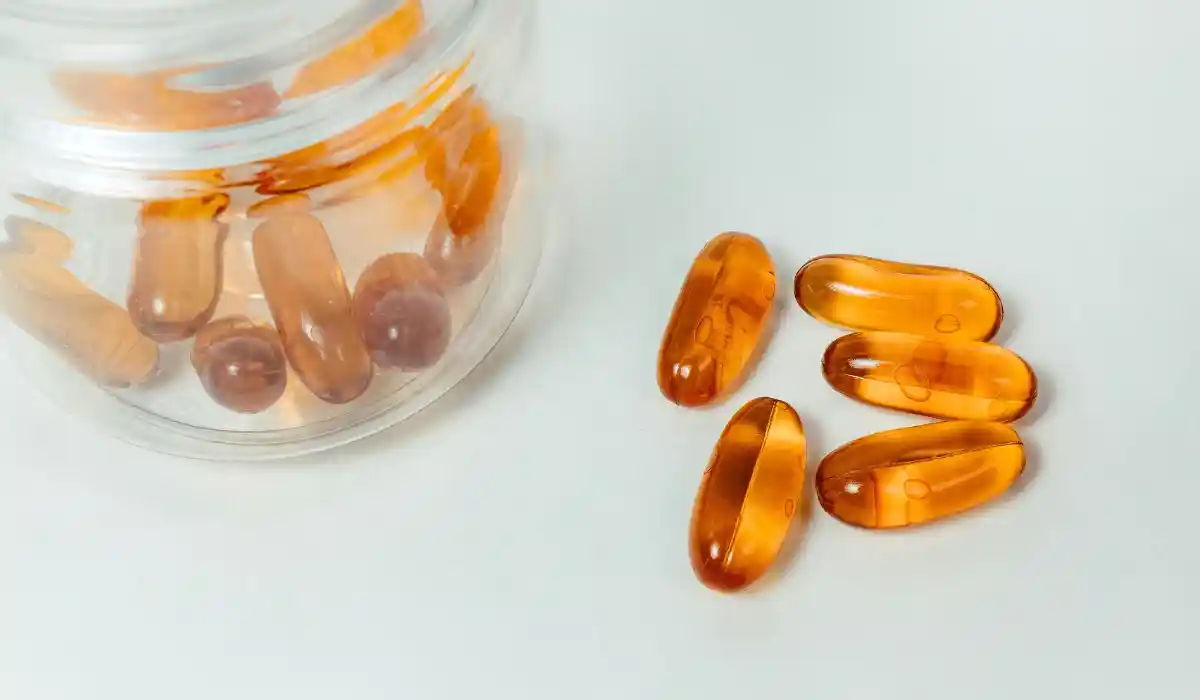
CoQ10 may slightly improve some cholesterol markers in certain people, but it is not a proven replacement for diet, exercise, statins, or other cholesterol medicines. Some studies show small reductions in total cholesterol, LDL cholesterol, and triglycerides, while other research finds mixed or limited results.
For most people, CoQ10 should be viewed as a possible support supplement, not a main treatment for high cholesterol. If your LDL cholesterol is high or you have heart disease risk factors, speak with a doctor before using CoQ10.
What Is CoQ10?
CoQ10, also called coenzyme Q10, is a natural compound found in the body. It helps cells produce energy and also works as an antioxidant. The body makes CoQ10 on its own, but levels may become lower with age or certain health conditions.
CoQ10 is also available as a dietary supplement. Many people use it for heart health, energy support, migraine prevention, or muscle symptoms linked with statin medicines. However, supplement quality, dose, and results can vary from person to person.
Does CoQ10 Lower Cholesterol?
CoQ10 may lower cholesterol slightly, but the effect is usually modest. Research has suggested possible small improvements in total cholesterol, LDL cholesterol, HDL cholesterol, and triglycerides. However, the changes are not strong enough to make CoQ10 a stand-alone cholesterol treatment.
LDL cholesterol is often called “bad” cholesterol because high levels can contribute to plaque buildup in the arteries. HDL cholesterol is often called “good” cholesterol because it helps remove cholesterol from the bloodstream. Triglycerides are another type of blood fat that can rise with excess sugar, alcohol, weight gain, diabetes, and poor diet quality.
The most important point is this: CoQ10 is not as powerful as proven cholesterol-lowering approaches. A heart-healthy diet, regular physical activity, weight management, smoking cessation, and prescribed medications are more reliable for improving cholesterol numbers.
How CoQ10 May Support Heart Health?
CoQ10 may support heart health in a few indirect ways. It helps with cellular energy production, especially in organs that need a lot of energy, such as the heart. It also has antioxidant properties, which means it may help protect cells from oxidative stress.
Some researchers believe CoQ10 may help improve blood vessel function, inflammation balance, and metabolic health. These effects could partly explain why some studies show minor improvements in cholesterol markers.
Still, heart health is not controlled by one nutrient. Cholesterol levels are influenced by genetics, diet, body weight, physical activity, diabetes, thyroid function, liver health, age, smoking, and medications. CoQ10 may play a supportive role, but it cannot correct all these factors.
CoQ10 and Statins: What Should You Know?
Statins are commonly prescribed medicines that lower LDL cholesterol. They work by reducing cholesterol production in the liver. Because the same pathway is involved in CoQ10 production, statins may lower CoQ10 levels in the body.
This is why some people take CoQ10 while using statins. They hope it may reduce muscle aches or tiredness. However, the evidence is mixed. Some people feel better with CoQ10, while clinical studies have not consistently shown strong benefits for statin-related muscle pain.
If you have muscle pain while taking a statin, do not stop your medicine on your own. Talk with your doctor. They may adjust the dose, change the statin, check for other causes, or recommend a different treatment plan.
Can CoQ10 Replace Cholesterol Medication?
No, CoQ10 should not replace cholesterol medication unless your doctor tells you to stop or change treatment. High cholesterol can raise the risk of heart attack, stroke, and artery disease over time, especially when LDL cholesterol remains high.
Supplements are not regulated the same way as prescription medicines. They may vary in strength, purity, and effectiveness. CoQ10 may be safe for many adults, but it is still not a cholesterol drug.
If your doctor prescribed a statin or another cholesterol medicine, it is usually because your risk level needs stronger support. CoQ10 may be discussed as an add-on, but it should not be used as a substitute for proven treatment.
Best Ways To Lower Cholesterol Naturally
The best natural approach to cholesterol starts with food quality. Limit saturated fat from butter, high-fat dairy, fatty meats, processed meats, coconut oil, and fried foods. Avoid trans fats whenever possible.
Eat more soluble fiber. Good sources include oats, barley, beans, lentils, apples, pears, citrus fruits, chia seeds, flaxseed, and psyllium. Soluble fiber can help reduce LDL cholesterol by limiting cholesterol absorption in the gut.
Choose healthier fats. Olive oil, avocado, nuts, seeds, and fatty fish can support better heart health when used instead of saturated fats. Regular exercise also helps lower LDL cholesterol and raise HDL cholesterol. Even brisk walking, cycling, swimming, or dancing can make a difference when done consistently.
Who Should Be Careful With CoQ10?
CoQ10 is generally well tolerated, but it is not right for everyone. Some people may experience mild side effects such as stomach upset, nausea, diarrhea, appetite changes, or sleep problems.
People taking blood thinners, diabetes medicines, blood pressure medicines, or cancer treatments should ask a doctor before using CoQ10. It may interact with certain medications or affect treatment plans.
Pregnant or breastfeeding women should also speak with a healthcare professional before taking CoQ10. Anyone with heart disease, kidney disease, liver disease, diabetes, or very high cholesterol should get medical guidance instead of self-treating with supplements.
How Much CoQ10 Is Usually Taken?
CoQ10 supplement doses vary widely. Some products contain 30 mg, 100 mg, 200 mg, or higher amounts per serving. Studies have used different doses, so there is no single best dose for cholesterol.
Higher doses are not always better. They may cost more and may increase the chance of side effects. The right dose depends on your health history, medications, and reason for taking it.
If you decide to use CoQ10, choose a trusted brand with third-party testing when possible. Take it with a meal that contains some fat, because CoQ10 is fat-soluble and may absorb better with food.
Final Verdict: Does CoQ10 Lower Cholesterol?
CoQ10 may slightly lower cholesterol in some people, but the effect is usually small. It may support heart health, energy production, and antioxidant protection, but it should not be used as the main treatment for high cholesterol.
For meaningful cholesterol improvement, focus on a heart-healthy diet, soluble fiber, regular movement, healthy weight, better sleep, and medical treatment when needed. CoQ10 may be considered as a supportive supplement, especially for people interested in heart health, but it should be discussed with a doctor first.
FAQs
CoQ10 may slightly lower LDL cholesterol in some studies, but the effect is small. It should not replace diet changes or prescribed cholesterol medicine.
CoQ10 may support heart health, but it is not a primary treatment for high cholesterol. Proven lifestyle changes and medications are more effective.
Many people take CoQ10 with statins, but you should ask your doctor first. It may not work for everyone and evidence is mixed.
Some people may notice general wellness changes within weeks, but cholesterol changes require blood testing. Do not judge results by symptoms alone.
Soluble fiber and plant sterols have stronger cholesterol-support evidence than many supplements. However, treatment should depend on your LDL level and risk factors.
Some people take CoQ10 daily, but daily use should be discussed with a healthcare professional, especially if you take medications or have chronic conditions.
References
- NCCIH – Coenzyme Q10
https://www.nccih.nih.gov/health/coenzyme-q10 - Mayo Clinic – Coenzyme Q10 Supplement Information
https://www.mayoclinic.org/drugs-supplements-coenzyme-q10/art-20362602