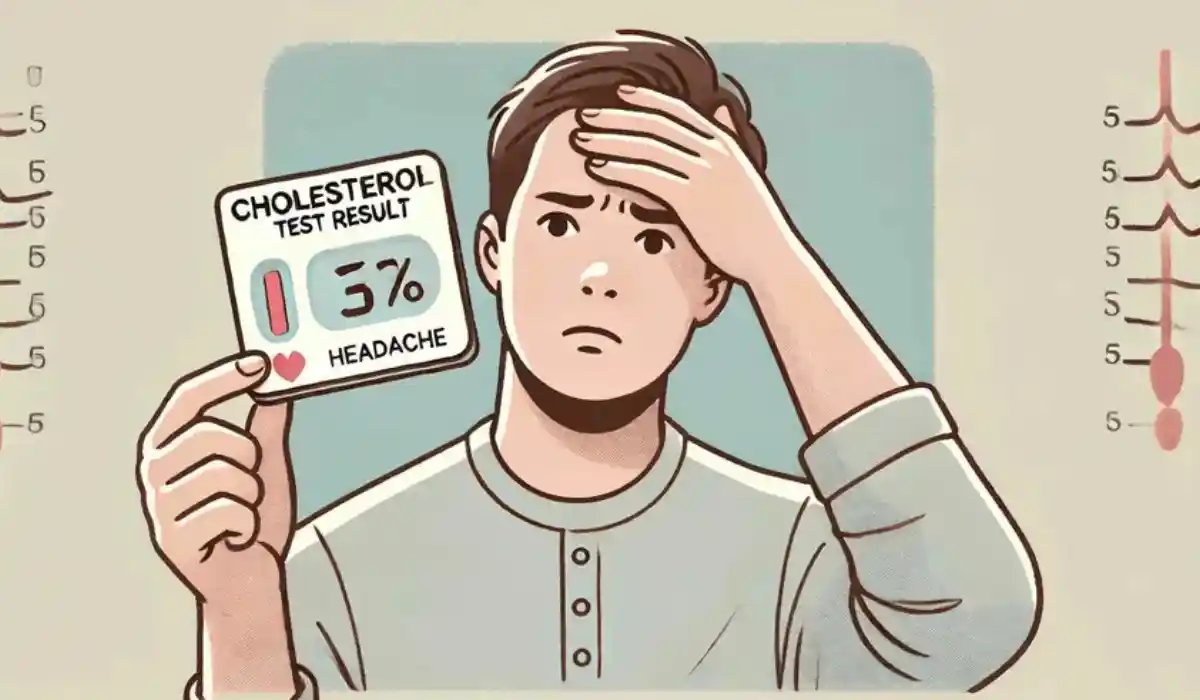
In most cases, high cholesterol does not directly cause headaches. High cholesterol is usually a silent condition, which means many people do not feel obvious symptoms even when their cholesterol levels are unhealthy.
However, headaches should not be ignored if they happen often, feel severe, or appear with other symptoms. High cholesterol can increase the risk of plaque buildup in the arteries over time. This may contribute to heart disease, stroke, poor circulation, and other health problems that can sometimes be linked with headache symptoms.
What Is High Cholesterol?
High cholesterol means there is too much cholesterol or unhealthy fat in the blood. Cholesterol is a waxy substance the body needs for cell structure, hormones, and digestion. The body makes cholesterol naturally, but diet, weight, activity level, smoking, diabetes, age, and genetics can affect cholesterol levels.
LDL cholesterol is often called bad cholesterol because high levels can build up inside artery walls. HDL cholesterol is often called good cholesterol because it helps carry extra cholesterol away from the blood. Triglycerides are another type of blood fat that can also increase heart risk when they are too high.
A cholesterol test, also called a lipid panel, measures total cholesterol, LDL cholesterol, HDL cholesterol, and triglycerides. These numbers help doctors understand your risk for heart disease and stroke.
Can High Cholesterol Cause Headaches?
High cholesterol alone usually does not cause headaches. Most people with high LDL cholesterol do not feel head pain, pressure, dizziness, or other clear symptoms. That is why cholesterol problems are often found during routine blood tests.
The link between cholesterol and headaches is usually indirect. Long-term high cholesterol may contribute to atherosclerosis, which is plaque buildup in the arteries. If blood vessels become narrowed or damaged, the risk of serious circulation problems can increase.
A headache is more concerning when it appears with symptoms such as weakness, confusion, vision changes, trouble speaking, chest pain, shortness of breath, or very high blood pressure. In these cases, the headache may not be from cholesterol itself, but from a more serious condition that needs medical attention.
Why High Cholesterol Is Usually Silent?
High cholesterol is often called silent because it usually does not cause symptoms in the early stage. A person may have high LDL cholesterol for years and still feel normal.
This can be risky because plaque may slowly build up inside the arteries without obvious warning signs. Over time, narrowed arteries can increase the chance of heart attack, stroke, and peripheral artery disease.
Because symptoms are not reliable, testing matters. Adults should follow their doctor’s advice about cholesterol screening, especially if they have diabetes, high blood pressure, smoking history, excess weight, family history of heart disease, or previous heart problems.
How High Cholesterol May Be Indirectly Linked To Headaches?
High cholesterol may be indirectly linked to headaches through blood vessel health. When LDL cholesterol stays high for a long time, it may contribute to fatty deposits in the arteries. This can affect blood flow and increase cardiovascular risk.
Headaches may also happen when high cholesterol exists with other conditions. For example, many people with high cholesterol may also have high blood pressure, diabetes, obesity, poor sleep, stress, or inflammation. These issues can contribute to headaches independently.
It is important not to assume cholesterol is the only reason for headaches. Common causes include tension headaches, migraine, dehydration, lack of sleep, eye strain, caffeine changes, sinus problems, stress, skipped meals, and medication side effects.
High Cholesterol, Blood Pressure, And Headaches
High cholesterol and high blood pressure are different conditions, but they can both increase heart and stroke risk. High cholesterol affects fat levels in the blood, while high blood pressure means the force of blood pushing against artery walls is too high.
Mild or moderate high blood pressure often causes no symptoms. However, extremely high blood pressure may cause headache and can become a medical emergency. This is one reason people with headaches and cardiovascular risk factors should not rely on symptoms alone.
If you have a severe headache and your blood pressure is very high, seek medical help. A headache with chest pain, shortness of breath, weakness, numbness, trouble speaking, or vision changes needs urgent attention.
Could A Headache Be A Stroke Warning Sign?
Most headaches are not strokes. However, a sudden severe headache can sometimes be a warning sign of a serious brain or blood vessel problem. This is especially important for people with high cholesterol, high blood pressure, diabetes, smoking history, or known heart disease.
Warning signs may include sudden numbness or weakness on one side of the body, face drooping, confusion, trouble speaking, trouble seeing, loss of balance, severe dizziness, or a sudden intense headache unlike anything before.
Do not wait to see if these symptoms improve. Stroke symptoms need emergency care because fast treatment can reduce the risk of long-term damage.
Other Common Causes Of Headaches
Headaches are very common and are often unrelated to cholesterol. Tension headaches may feel like pressure around the forehead, sides, or back of the head. They can be linked with stress, poor posture, neck tightness, or long screen time.
Migraine can cause throbbing pain, nausea, light sensitivity, sound sensitivity, and sometimes visual changes. Migraine may last for hours or days and can seriously affect daily activities.
Other causes include dehydration, alcohol, too much or too little caffeine, poor sleep, sinus infection, eye strain, low blood sugar, certain medications, hormonal changes, and anxiety. Because headaches have many possible causes, repeated or unusual headaches should be evaluated properly.
How To Know If Cholesterol Is A Problem?
You cannot tell whether cholesterol is high by headache symptoms. The only reliable way to know is through a lipid panel blood test.
A doctor may check total cholesterol, LDL cholesterol, HDL cholesterol, triglycerides, and sometimes estimated VLDL cholesterol. LDL and VLDL cholesterol can both play a role in artery plaque buildup, while HDL cholesterol helps remove extra cholesterol from the blood.
If you have frequent headaches, your doctor may also check for other causes. These may include blood pressure, vision problems, sinus issues, migraine history, medication use, sleep problems, stress, anemia, thyroid problems, or blood sugar changes.
How To Lower High Cholesterol Naturally?
Lifestyle changes can help many people improve cholesterol levels. Eating more soluble fiber may help lower LDL cholesterol. Good choices include oats, barley, beans, lentils, apples, citrus fruits, chia seeds, flaxseed, and vegetables.
Replacing saturated fats with healthier fats can also support heart health. Use olive oil, nuts, seeds, avocado, and fish more often. Limit butter, fatty meats, processed meats, fried foods, full-fat dairy, pastries, and foods high in trans fats.
Regular physical activity can help improve cholesterol, blood pressure, weight, insulin sensitivity, and circulation. Walking, cycling, swimming, strength training, and daily movement can all be helpful. Start slowly if you have been inactive or have medical conditions.
Medical Treatment For High Cholesterol
Some people need medication to lower cholesterol. This is especially true when LDL cholesterol is very high, heart disease risk is elevated, or lifestyle changes are not enough.
Statins are commonly used to lower LDL cholesterol and reduce heart attack and stroke risk. Other medicines may also be used depending on cholesterol levels, side effects, medical history, and risk factors.
Do not stop or change cholesterol medicine without speaking to a healthcare professional. If you develop headaches, muscle pain, weakness, or other new symptoms after starting medicine, contact your doctor for advice.
When To See A Doctor?
See a doctor if you have frequent headaches, new headaches after age 50, headaches that are getting worse, or headaches that do not improve with usual care.
Get urgent medical help if a headache is sudden and severe, feels like the worst headache of your life, follows a head injury, or comes with fever, stiff neck, confusion, fainting, seizure, weakness, numbness, trouble speaking, or vision changes.
You should also ask for cholesterol testing if you have high blood pressure, diabetes, smoking history, excess weight, family history of early heart disease, or previous heart problems. High cholesterol is easier to manage when found early.
Conclusion
Usually, high cholesterol does not directly cause headaches. It often has no symptoms and is usually found through a blood test.
However, high cholesterol can increase the risk of plaque buildup in the arteries, heart disease, and stroke over time. Headaches may become more concerning if they happen with high blood pressure, neurological symptoms, chest pain, shortness of breath, or sudden severe pain.
If you have both headaches and cholesterol concerns, do not guess. A lipid panel, blood pressure check, and medical review can help identify the real cause and guide the right treatment.
FAQs
High cholesterol usually does not cause daily headaches. Frequent headaches may be related to migraine, tension, sleep problems, blood pressure, stress, or other causes.
There is no specific cholesterol headache. High cholesterol usually has no symptoms, so head pain should be checked for other possible causes.
High LDL cholesterol does not usually cause head pressure directly. Head pressure may come from tension, sinus issues, migraine, blood pressure, or eye strain.
High cholesterol and high blood pressure can occur together. Extremely high blood pressure may cause headache and may require urgent medical attention.
A headache alone does not prove high cholesterol. However, a lipid panel is useful if you have heart risk factors or have not checked cholesterol recently.
A headache is an emergency if it is sudden and severe or comes with weakness, confusion, vision changes, trouble speaking, chest pain, or fainting.
References
- Mayo Clinic — High Cholesterol: Symptoms and Causes
https://www.mayoclinic.org/diseases-conditions/high-blood-cholesterol/symptoms-causes/syc-20350800 - Cleveland Clinic — Atherosclerosis
https://my.clevelandclinic.org/health/diseases/16753-atherosclerosis-arterial-disease