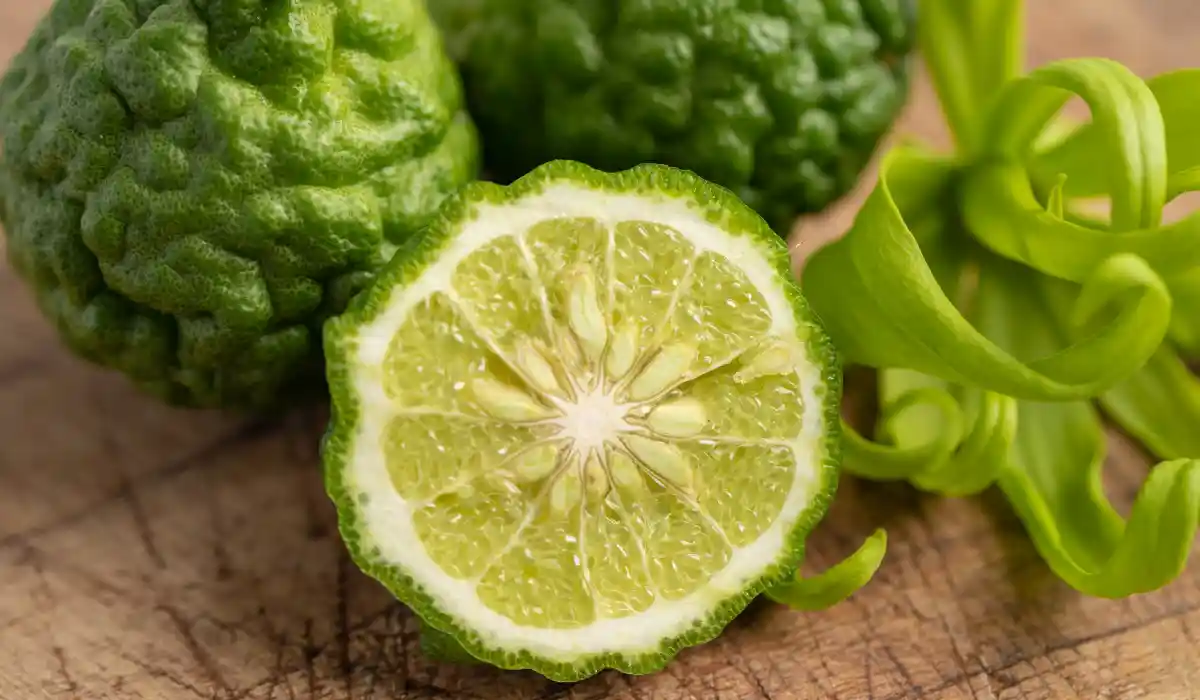
Bergamot for cholesterol may help support healthier LDL cholesterol, total cholesterol, and triglyceride levels in some people. However, it should not replace prescribed cholesterol medicine, a heart-healthy diet, exercise, or regular medical care.
Bergamot is a citrus fruit extract, not a quick cure for high cholesterol. Research is promising, but product quality, dose, and individual health risks matter.
What Is Bergamot?
Bergamot comes from the citrus fruit Citrus bergamia, which grows mainly in southern Italy. The fruit is bitter and sour, so it is usually used as an extract, oil, flavoring, or supplement rather than eaten like an orange.
Many people know bergamot from Earl Grey tea, which is flavored with bergamot oil. For cholesterol support, most studies focus on bergamot extract or bergamot polyphenolic fraction, not perfume oil or essential oil.
Bergamot contains plant compounds called polyphenols and flavonoids. These compounds may affect cholesterol metabolism, inflammation, and oxidative stress, but more high-quality research is still needed.
Why People Use Bergamot For Cholesterol?
People use bergamot for cholesterol because some studies suggest it may support better lipid levels. Lipids are fats in the blood, including LDL cholesterol, HDL cholesterol, VLDL cholesterol, and triglycerides.
LDL cholesterol is often called bad cholesterol because high levels can contribute to plaque buildup in the arteries. HDL cholesterol is often called good cholesterol because it helps move extra cholesterol away from the blood.
VLDL cholesterol mainly carries triglycerides through the bloodstream. High triglycerides and high VLDL cholesterol may increase heart and blood vessel risks, especially when LDL cholesterol is also high.
Can Bergamot Lower Cholesterol?
Bergamot may help lower cholesterol in some people, but results are not guaranteed. Research suggests bergamot supplementation may reduce total cholesterol, LDL cholesterol, and triglycerides in certain groups.
Some studies also report a possible increase in HDL cholesterol. This may be helpful because HDL supports cholesterol removal from the bloodstream.
Still, bergamot should be viewed as a supportive option, not a replacement for medical treatment. People with very high LDL cholesterol, diabetes, heart disease, or a history of stroke may need prescription treatment to lower risk.
How Bergamot May Support Cholesterol Levels?
Bergamot may support cholesterol through its polyphenols and flavonoids. These natural compounds may influence how the liver makes and processes cholesterol.
Some researchers believe bergamot compounds may affect pathways involved in cholesterol production. This is one reason bergamot is sometimes compared with cholesterol-lowering medicines, but that does not mean it works the same way or has the same proven protection.
Bergamot may also support antioxidant activity. Antioxidants help protect cells from oxidative stress, which is linked with blood vessel health. More research is needed to confirm how much this matters for long-term heart outcomes.
Bergamot And LDL Cholesterol
LDL cholesterol is one of the main numbers doctors watch during cholesterol management. High LDL can build up inside artery walls and contribute to plaque.
Bergamot extract may help reduce LDL cholesterol in some adults with high cholesterol or mixed cholesterol problems. This is one of the most common reasons people look for citrus bergamot supplements.
Even if LDL improves, it is still important to keep checking your lipid panel. Supplement effects can vary, and LDL goals depend on age, medical history, diabetes, blood pressure, smoking, and heart disease risk.
Bergamot And HDL Cholesterol
HDL cholesterol helps carry cholesterol away from the blood and back to the liver. Higher HDL is generally linked with better heart health, although the full picture depends on LDL, triglycerides, blood pressure, blood sugar, and lifestyle.
Some bergamot studies have reported improvements in HDL cholesterol. This may be a helpful sign, but HDL should not be the only focus.
A person can still have high heart risk if LDL cholesterol, VLDL cholesterol, or triglycerides remain high. Doctors usually look at the full lipid panel instead of one number alone.
Bergamot And Triglycerides
Triglycerides are a type of fat found in the blood. High triglycerides may happen with excess sugar intake, alcohol use, insulin resistance, diabetes, obesity, low activity, and some genetic conditions.
Bergamot may help reduce triglycerides in some people. This may also affect estimated VLDL cholesterol because VLDL particles carry triglycerides through the bloodstream.
If triglycerides are very high, medical care is important. Very high triglyceride levels may increase the risk of pancreatitis, which can be serious.
Bergamot For Cholesterol: Quick Overview
| Topic | What To Know |
| Main use | Natural cholesterol support |
| Common form | Bergamot extract or capsules |
| May support | LDL cholesterol, total cholesterol, triglycerides, HDL cholesterol |
| Not the same as | Bergamot essential oil or perfume oil |
| Best used with | Healthy diet, exercise, weight management, medical monitoring |
| Not recommended as | A replacement for prescribed cholesterol medicine |
| Ask a doctor first if | You take statins, diabetes medicine, blood thinners, or have liver, kidney, heart, pregnancy, or breastfeeding concerns |
Who May Consider Bergamot?
Some adults with mildly high cholesterol may ask their doctor about bergamot as part of a broader cholesterol management plan. It may be considered along with diet, exercise, weight control, and regular lipid testing.
It may also interest people who want natural cholesterol support but still understand that natural does not always mean risk-free.
Bergamot may not be suitable for people with high-risk cholesterol patterns. If your LDL is very high, or you already have heart disease, stroke, diabetes, or blocked arteries, you should follow your doctor’s treatment plan carefully.
Who Should Avoid Bergamot Or Use Caution?
Do not use bergamot supplements without medical advice if you are pregnant, breastfeeding, trying to conceive, or giving it to a child. Safety information is limited in these groups.
Use caution if you take statins or other cholesterol medicines. Combining supplements with medication may increase the chance of side effects or make monitoring more complicated.
Also ask a doctor first if you take diabetes medicine, blood pressure medicine, blood thinners, or medicines processed by the liver. Citrus compounds may affect how some medicines work, so personal guidance is important.
Bergamot Supplement Side Effects
Bergamot supplements may cause digestive symptoms in some people. Possible side effects may include stomach upset, nausea, cramping, heartburn, or loose stools.
Some people may be sensitive to citrus products. Stop using the supplement and seek medical advice if you develop rash, swelling, breathing trouble, severe dizziness, or signs of an allergic reaction.
Bergamot essential oil should not be swallowed. It is different from oral bergamot cholesterol supplements and may cause harm if misused.
Bergamot Vs Statins
Bergamot is not a statin. Statins are prescription medicines with strong evidence for lowering LDL cholesterol and reducing heart attack and stroke risk in the right patients.
Bergamot may help improve cholesterol numbers in some studies, but it does not have the same level of evidence for preventing heart attacks or strokes.
If your doctor prescribed a statin, do not replace it with bergamot unless your healthcare provider tells you to. Stopping cholesterol medicine suddenly may increase long-term risk.
How To Use Bergamot Safely?
There is no single standard dose of bergamot for cholesterol because supplement products vary. Some studies have used bergamot extract in the range of hundreds of milligrams per day, but the best amount depends on the formula and the person.
Follow the product label and your clinician’s advice. Avoid taking multiple cholesterol supplements at the same time unless your doctor approves.
A practical approach is to check your lipid panel before starting, then recheck it after a few months. This helps show whether LDL cholesterol, HDL cholesterol, triglycerides, and VLDL cholesterol are improving.
What To Look For In A Bergamot Supplement?
Choose a supplement that clearly lists the amount of bergamot extract per serving. Products should also provide serving instructions and avoid exaggerated promises.
Look for third-party testing when possible. This may help reduce the risk of contamination, inaccurate labeling, or poor quality.
Avoid products that claim to cure high cholesterol, replace statins, clear blocked arteries, or prevent heart attacks. These claims are too strong and should be treated with caution.
Lifestyle Still Matters More
Bergamot may support cholesterol, but daily habits remain the foundation. A heart-friendly diet can help improve LDL cholesterol, triglycerides, blood pressure, weight, and blood sugar.
Eat more soluble fiber from oats, barley, beans, lentils, apples, citrus fruits, chia seeds, flaxseed, and vegetables. Soluble fiber can help reduce cholesterol absorption in the gut.
Choose healthier fats more often. Olive oil, nuts, seeds, avocado, and fish are better choices than butter, fried foods, fatty meats, processed meats, and full-fat dairy.
Regular activity also matters. Walking, cycling, swimming, strength training, and daily movement can support cholesterol levels and overall heart health.
Diagnosis: How To Know If Cholesterol Is High?
You cannot know your cholesterol level by symptoms alone. High cholesterol usually has no obvious warning signs.
A lipid panel is the main test used to check cholesterol. It measures total cholesterol, LDL cholesterol, HDL cholesterol, and triglycerides. Some reports may also estimate VLDL cholesterol.
Your doctor may also check blood pressure, blood sugar, weight, family history, smoking status, kidney function, liver function, and overall heart disease risk.
Treatment Options For High Cholesterol
Treatment depends on your cholesterol numbers and risk level. Some people improve with lifestyle changes, while others need medication.
Common treatment steps include diet changes, exercise, weight management, smoking cessation, diabetes control, and cholesterol-lowering medicine when needed.
Statins are commonly prescribed for people with high LDL cholesterol or increased heart disease risk. Other medicines may be used if statins are not enough or are not suitable.
Prevention Tips For Better Cholesterol
Preventing high cholesterol starts with habits you can repeat. Choose more whole foods, reduce saturated fat, avoid trans fats, and limit ultra-processed foods.
Keep sugary drinks and alcohol limited, especially if triglycerides are high. Excess sugar and alcohol can raise triglycerides in some people.
Stay active most days of the week. Even brisk walking can help improve cholesterol, blood pressure, weight, and insulin sensitivity over time.
When To See A Doctor?
Talk to a doctor before using bergamot for cholesterol if you take any daily medicine or already have a medical condition. This is especially important for people with heart disease, diabetes, liver disease, kidney disease, or a history of stroke.
Seek urgent care if you have chest pain, shortness of breath, sudden weakness, severe dizziness, trouble speaking, face drooping, or pain spreading to the arm, jaw, neck, or back.
High cholesterol is easier to manage when it is found early. Regular testing and medical guidance are safer than guessing based on symptoms.
Conclusion
Bergamot for cholesterol may help support healthier LDL cholesterol, triglycerides, total cholesterol, and possibly HDL cholesterol in some people. It may be useful as part of a larger cholesterol management plan.
However, bergamot is not a cure and should not replace prescribed medication or medical care. Results can vary, and supplement quality matters.
The safest approach is to combine regular lipid panel testing, a heart-friendly diet, physical activity, weight management, and professional guidance. If you are interested in citrus bergamot, ask your doctor whether it fits your cholesterol plan.
FAQs
Bergamot may support healthier cholesterol levels in some people. It may help LDL cholesterol, total cholesterol, and triglycerides, but results vary.
Some studies check results after several weeks or months. A lipid panel after a few months can show whether it is helping.
No. Bergamot should not replace statins or prescribed cholesterol medicine unless your healthcare provider tells you to change treatment.
Most cholesterol research uses oral bergamot extract or bergamot polyphenolic fraction, not essential oil, perfume oil, or Earl Grey tea.
Bergamot may help lower triglycerides in some people. High triglycerides should still be monitored with a lipid panel and medical advice.
Some studies suggest bergamot may support HDL cholesterol, but HDL is only one part of heart risk. LDL and triglycerides also matter.
Bergamot may not be safe for everyone taking cholesterol medicine. Ask your doctor before combining it with statins or other drugs.
Some people take bergamot daily as a supplement, but dose and safety depend on the product, your health, and your medications.
References
- Mayo Clinic — High Cholesterol: Symptoms and Causes
https://www.mayoclinic.org/diseases-conditions/high-blood-cholesterol/symptoms-causes/syc-20350800 - Mayo Clinic — High Cholesterol: Diagnosis and Treatment
https://www.mayoclinic.org/diseases-conditions/high-blood-cholesterol/diagnosis-treatment/drc-20350806