
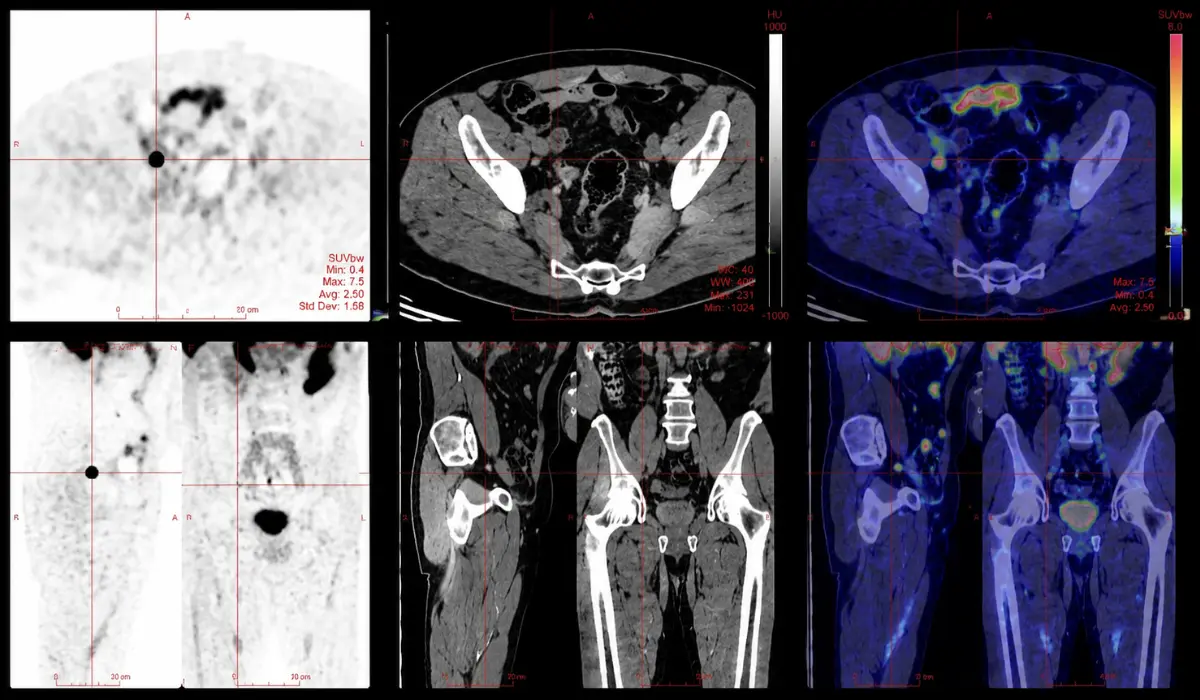
Prostate cancer is one of the most common cancers affecting men worldwide. As medical technology improves, doctors now have better tools to detect and monitor this disease. One of the newest and most helpful tools is the PSMA PET scan. This imaging test helps doctors see prostate cancer more clearly than traditional scans.
In this article, we explain what a PSMA PET scan is, why it matters, and how it helps people with prostate cancer. We also answer common questions that patients and families often ask. The goal is to give you clear and simple information so you can feel confident talking with your healthcare team.
What Makes PSMA PET Scans Different?
A PSMA PET scan is a special type of imaging test used mainly for prostate cancer. “PSMA” stands for Prostate‑Specific Membrane Antigen, a protein that is often found in high amounts on prostate cancer cells. Doctors use this feature to help the scan find cancer cells more easily.
Unlike older imaging tests like CT or bone scans, a PSMA PET scan can often spot tiny areas of cancer that other tests may miss. This can be especially important for men whose cancer has come back after treatment or is suspected to have spread to other parts of the body. With clearer images, doctors can make better decisions about next steps.
Many patients feel reassured knowing that this scan gives their care team detailed information. It may change treatment plans or confirm that cancer has not spread. In either case, the goal is to tailor care to each person’s needs.
How A PSMA PET Scan Helps In Prostate Cancer Care?
A PSMA PET scan plays an important role in several stages of prostate cancer care. One key use is when prostate cancer comes back after treatment, known as recurrence. Sometimes, men have rising PSA blood levels, but regular scans do not show where the cancer is.
In these cases, a PSMA PET scan can often locate the sites of recurrence. Similar to how an amyloid PET scan is used in Alzheimer’s disease to detect plaque buildup, PSMA PET scans provide detailed imaging that highlights disease-specific areas in the body.
This advanced imaging also helps when doctors are planning treatment. For example, before surgery or radiation therapy, a PSMA PET scan may show if the cancer has spread to lymph nodes or bones. Knowing this helps doctors recommend the most effective treatment plan. In many cases, it can prevent unnecessary treatments and focus care where it is truly needed.
Patients benefit from greater clarity and confidence about what comes next. For men with prostate cancer, uncertainty can be stressful. A scan that provides clear answers helps reduce anxiety and supports informed decisions.
What To Expect During The Scan?
A PSMA PET scan is similar to other PET scans in how it’s performed. Before the scan, a small amount of a radioactive tracer that binds to PSMA is injected into a vein. Patients wait for a short time so the tracer can travel through the body and attach to prostate cancer cells.
Once the tracer has circulated, the patient lies on a table that slides into a large machine. The scan itself usually takes about 30 to 60 minutes. During this time, the machine captures images of the body that show where the tracer is concentrated. Areas with higher tracer uptake can point to cancer cells.
Most people find the process comfortable and painless. The main requirement is to lie still during imaging. After the scan is done, patients can typically return to their normal activities. The images are then reviewed by a specialist who prepares a report for the doctor.
Benefits Of A PSMA PET Scan
One of the biggest benefits of a PSMA PET scan is its accuracy. This test often detects cancer spread earlier than conventional imaging tools. Early detection can make a big difference in treatment success and long‑term outcomes.
Another benefit is that it may reduce unnecessary procedures. When doctors know exactly where cancer cells are, they can avoid treatments that may not help. This leads to more personalized care. Patients may have fewer side effects and more targeted treatments.
For families supporting a loved one, the clarity from a PSMA PET scan helps them understand the situation better. Knowing where the cancer is, or confirming that it has not spread, can reduce stress and support planning for the future.
Are There Any Risks Or Side Effects?
Like most medical tests, a PSMA PET scan carries minimal risks. The amount of radioactive tracer used is small and typically safe for most patients. Side effects from the tracer injection are rare but can include mild reactions like redness or slight pain at the injection site.
Because the scan involves a small amount of radiation, doctors carefully consider whether the test is appropriate. For most men with prostate cancer, the benefits of accurate information outweigh the low level of radiation exposure. However, patients who are pregnant or breastfeeding should always discuss risks with their doctor before undergoing a PSMA PET scan.
Any concerns about allergies, kidney function, or other health conditions should be openly discussed with the health care team before the test. Clear communication ensures the safest and most effective use of this technology.
How PSMA PET Scans Fit Into Treatment Plans?
A PSMA PET scan is not a treatment, but a tool that guides treatment. After the scan, the doctor will review the results and explain what they mean. This may include changes to medications, surgery plans, radiation therapy, or other care options.
For men whose cancer has not spread, the scan may confirm that localized treatment is still the best choice. For others, if the scan shows cancer in lymph nodes or distant sites, the care team may recommend systemic treatments like hormone therapy or chemotherapy.
Discussing the scan results with the doctor helps patients understand why certain recommendations are made. Knowing the purpose of each treatment step makes the care journey more manageable and less confusing.
Emotional And Practical Support
Facing prostate cancer can be overwhelming for individuals and families. Understanding the role of imaging tests like the PSMA PET scan helps reduce fear of the unknown. Many patients find comfort in knowing that their care team is using the best tools available to make informed decisions.
Support networks, including family, friends, and support groups, can also make a difference. Sharing questions and concerns with others who have faced similar experiences often provides emotional relief and practical tips.
Healthcare providers are an important part of this support. Patients should feel free to ask questions, seek clarification, and make sure they understand their diagnosis and treatment options.
Frequently Asked Questions
A PSMA PET scan is an imaging test that uses a tracer targeting prostate cancer cells. It helps doctors locate and evaluate cancer more accurately than some older scans.
Doctors often recommend this scan if prostate cancer may have returned, if PSA levels are rising, or to check for spread before treatment planning.
No. The scan is painless. Patients receive an injection of a tracer and then lie still while images are taken. Most people return to regular activities afterward.
Results usually take a few days to be reviewed and reported to the doctor. The doctor will then discuss the findings with the patient.
Side effects are rare. Some people may feel mild discomfort at the injection site. The radiation exposure is small and generally considered safe for most patients.
References
1. Mayo Clinic – PSMA PET Scan for Prostate Cancer – Detailed overview of the scan, how it’s done, and why it’s used.
https://www.mayoclinic.org/diseases-conditions/prostate-cancer/diagnosis-treatment/drc-20353093
2. Cleveland Clinic – PSMA PET Scan – Patient‑friendly explanation of what the scan is and what to expect.
https://my.clevelandclinic.org/health/diagnostics/psma-pet-scan
3. WebMD – PSMA PET Scan for Prostate Cancer – General health article with key information about the scan’s purpose and advantages.
https://www.webmd.com/prostate-cancer/prostate-cancer-psma-detect
4. Healthline – PSMA PET Test for Prostate Cancer – Easy‑to‑read article on when the scan is used and what it detects.
https://www.healthline.com/health/prostate-cancer/psma-pet-test-prostate-cancer
5. National Cancer Institute (NCI) – PSMA PET Scan Definition – Official cancer glossary definition of the scan and its use in prostate cancer care.
https://www.cancer.gov/publications/dictionaries/cancer-terms/def/psma-pet-scan