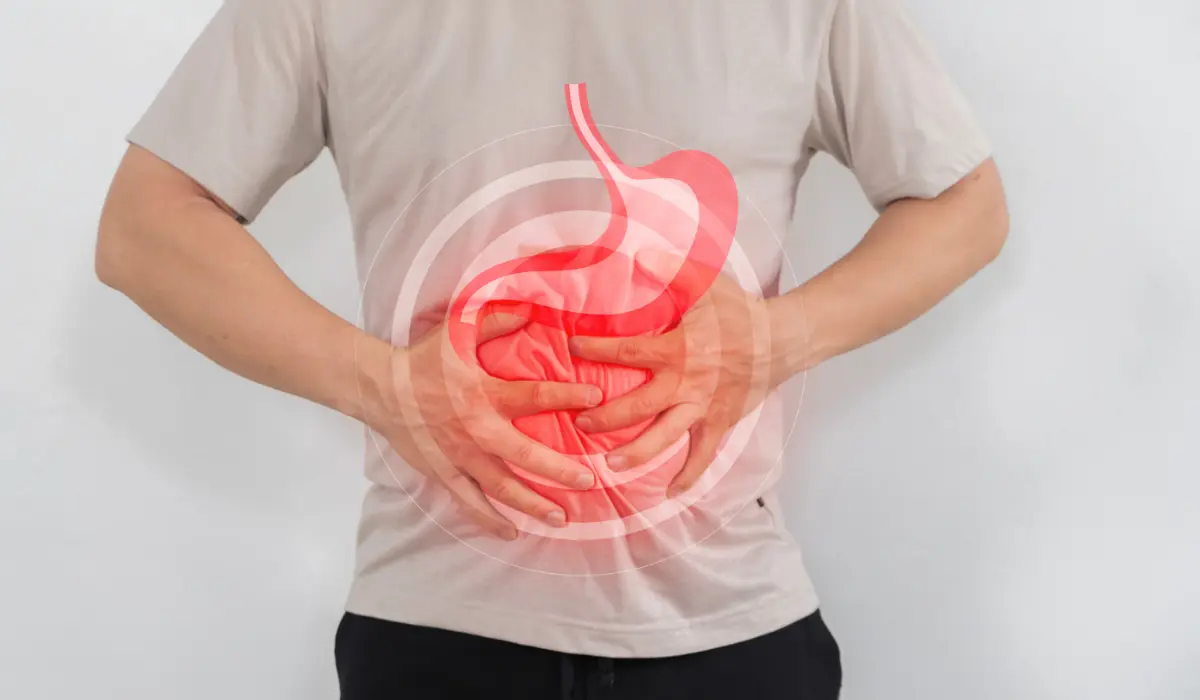

Premenstrual syndrome, commonly referred to as PMS, affects a large number of women each month, manifesting as a combination of physical, emotional, and behavioral symptoms in the days leading up to menstruation.
From bloating and breast tenderness to irritability and mood swings, PMS can range from mild to severe. While the precise cause is not fully understood, research points to a combination of hormonal changes, neurotransmitter fluctuations, lifestyle factors, genetics, and underlying health conditions.
Understanding these causes can help women manage symptoms more effectively and maintain overall well-being.
Hormonal Fluctuations
PMS is closely linked to hormonal changes during the menstrual cycle. Estrogen and progesterone, the two primary female sex hormones, rise and fall in a predictable pattern.
After ovulation, progesterone levels increase to prepare the body for a potential pregnancy. If pregnancy does not occur, levels of both estrogen and progesterone drop, triggering menstruation.
These shifts affect multiple systems in the body, particularly the brain. Women who are more sensitive to hormonal changes may experience mood swings, anxiety, or irritability, as well as physical symptoms like bloating and breast tenderness. Hormonal fluctuations are therefore considered a primary contributor to PMS.
Neurotransmitter Influence
In addition to hormones, neurotransmitters chemical messengers in the brain play a significant role in PMS. Serotonin, which regulates mood, is particularly affected during the luteal phase (the two weeks after ovulation). Lower serotonin levels can contribute to depression, fatigue, irritability, and cravings for carbohydrates.
Other neurotransmitters, such as dopamine and GABA, also influence emotional regulation. Imbalances in these chemicals can intensify emotional PMS symptoms, making the days before menstruation more challenging for some women.
Lifestyle And Environmental Factors
Lifestyle and environmental factors can also impact PMS severity:
- Diet: Excess sugar, caffeine, and processed foods may worsen PMS symptoms, whereas a balanced diet with whole grains, fruits, vegetables, and lean proteins can help alleviate discomfort.
- Exercise: Regular physical activity encourages endorphin release, improving mood and reducing stress, which can ease PMS symptoms.
- Sleep: Poor sleep can amplify irritability and fatigue associated with PMS.
- Stress: Chronic stress disrupts hormone regulation and neurotransmitter balance, making PMS symptoms more pronounced.
Incorporating healthier lifestyle choices can significantly reduce the impact of PMS for many women.
Genetic Predisposition
Research suggests that genetics play a role in PMS susceptibility. Women with a family history of severe PMS or premenstrual dysphoric disorder (PMDD) are more likely to experience intense symptoms.
Certain genes may influence hormone receptor sensitivity or neurotransmitter function, making some women more prone to PMS. Recognizing a family pattern can help anticipate symptoms and guide management strategies.
Underlying Health Conditions
Certain medical conditions may worsen PMS or mimic its symptoms:
- Thyroid Disorders: Imbalances in thyroid hormones can exacerbate fatigue, mood swings, and muscle discomfort.
- Polycystic Ovary Syndrome (PCOS): Women with PCOS often experience irregular cycles and heightened hormonal fluctuations, which can intensify PMS.
- Mental Health Conditions: Anxiety, depression, and bipolar disorder can interact with PMS, making emotional symptoms more severe.
Consulting a healthcare provider is essential if PMS disrupts daily life or is unusually severe, as it may indicate an underlying condition.
Common Symptoms Of PMS
PMS can manifest differently among women, but typical symptoms include:
- Emotional: Mood swings, irritability, anxiety, depression
- Behavioral: Food cravings, sleep disturbances, difficulty concentrating
- Physical: Bloating, breast tenderness, headaches, fatigue, joint or muscle pain
The severity of these symptoms can range from mild inconvenience to significant interference with daily routines.
Management And Relief Strategies
While PMS cannot always be completely prevented, several strategies can help manage symptoms:
- Balanced Diet: Reduce sugar, salt, and caffeine; increase fruits, vegetables, and whole grains.
- Exercise: Engage in regular aerobic or strength training to boost endorphins and reduce stress.
- Sleep Hygiene: Maintain a consistent sleep schedule and create a relaxing bedtime routine.
- Stress Reduction: Practice yoga, meditation, or deep-breathing exercises to stabilize mood and hormone levels.
- Supplements: Calcium, magnesium, vitamin B6, and omega-3 fatty acids may help reduce symptoms.
For severe PMS or PMDD, healthcare providers may recommend hormonal treatments, prescription medications, or therapy to address both physical and emotional symptoms.
When To Seek Medical Advice
Women should seek professional help if PMS significantly interferes with daily life, or if symptoms include:
- Severe mood swings or depression
- Intense physical discomfort
- Disruption of work, school, or relationships
- Symptoms that do not improve with lifestyle adjustments
A healthcare provider can evaluate symptoms, identify underlying conditions, and provide personalized management options.
Conclusion
Premenstrual syndrome is a multifactorial condition influenced by hormonal changes, neurotransmitter fluctuations, lifestyle choices, genetics, and health conditions. While mild PMS is common, understanding its causes empowers women to take proactive steps to manage symptoms.
Lifestyle modifications, dietary adjustments, regular exercise, and proper sleep can significantly alleviate discomfort. For more severe cases, consulting a healthcare provider ensures that symptoms are properly addressed and underlying conditions are ruled out.
By combining awareness with proactive care, women can reduce the impact of PMS and maintain better physical, emotional, and mental well-being.
Frequently Asked Questions
PMS, or premenstrual syndrome, is a group of physical, emotional, and behavioral symptoms that occur in the days leading up to menstruation.
PMS is primarily caused by hormonal fluctuations, particularly changes in estrogen and progesterone, as well as neurotransmitter imbalances, lifestyle factors, genetics, and certain health conditions.
PMS symptoms typically appear 5 -14 days before menstruation and usually resolve once menstruation begins.
Yes. A diet high in sugar, caffeine, and processed foods may worsen symptoms, while balanced meals with whole grains, fruits, vegetables, and lean protein can help alleviate them.
Certain supplements like calcium, magnesium, vitamin B6, and omega-3 fatty acids have been shown to reduce the severity of PMS symptoms in some women.
Consult a healthcare provider if PMS significantly disrupts your daily life, causes severe emotional or physical symptoms, or does not improve with lifestyle adjustments.
While it may not be fully preventable, regular exercise, stress management, balanced diet, and adequate sleep can help reduce the severity of symptoms.
References
- Mayo Clinic – Premenstrual Syndrome (PMS): Symptoms & Causes
https://www.mayoclinic.org/diseases-conditions/premenstrual-syndrome/symptoms-causes/syc-20376780 - Cleveland Clinic – Premenstrual Syndrome Overview
https://my.clevelandclinic.org/health/diseases/24288-pms-premenstrual-syndrome - Johns Hopkins Medicine – PMS (Premenstrual Syndrome)
https://www.hopkinsmedicine.org/health/conditions-and-diseases/premenstrual-syndrome-pms - MedlinePlus – Premenstrual Syndrome Encyclopedia
https://medlineplus.gov/ency/article/001505.htm