
A DEXA scan measures bone density and checks osteoporosis risk. Knowing how long the procedure takes helps patients plan their visit, reduce anxiety, and understand preparation, scan duration, and follow-up steps for a smooth and informed experience.
DEXA scans are noninvasive, painless, and usually completed quickly. While the scanning itself is short, additional steps such as registration, changing clothes, and reviewing results can extend the total visit time. Knowing what to expect can make the process smoother and more comfortable for anyone undergoing the test.
Preparing For A DEXA Scan
Preparation for a DEXA scan is minimal, but it can make the experience quicker and more accurate. Patients are generally advised to wear loose, comfortable clothing without metal zippers, buttons, or belts. Certain supplements or medications may need to be temporarily avoided based on your doctor’s advice.
Arriving 10–15 minutes early helps with registration and any paperwork. Some clinics provide gowns to wear during the scan. Being ready with previous medical records or a list of medications can further reduce delays, making the appointment more efficient and stress-free.
What To Expect During The Scan?
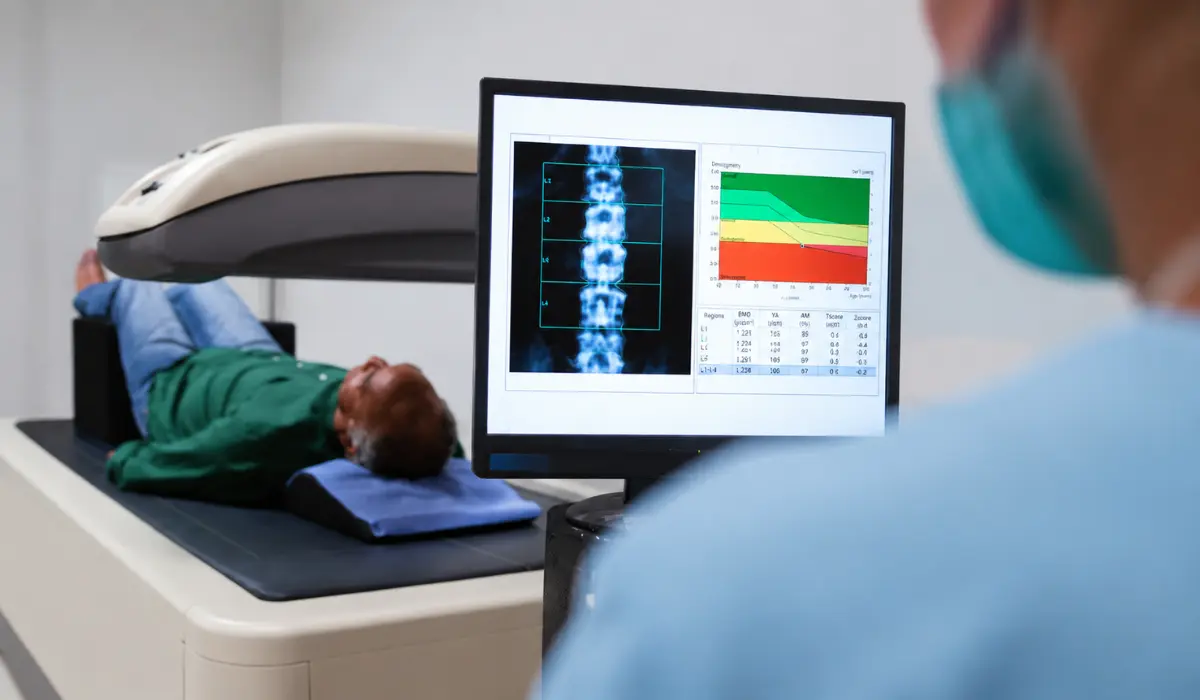
During a DEXA scan, patients lie on a specialized table while a scanning arm passes over the body to capture images. The scan mainly focuses on the spine, hips, and sometimes forearm. The process is painless, and patients only need to remain still, while radiology techniques ensure precise imaging.
The machine emits very low levels of radiation, making it safe for most adults. The scan usually takes 10-20 minutes, depending on the number of areas examined. Technicians ensure that positioning is correct for accurate measurements, which is crucial for interpreting bone health.
Duration Of The Scan
The actual scan portion is often shorter than expected. Most patients complete the scanning in 10-20 minutes. If multiple areas are scanned, it may take slightly longer, but even full-body assessments remain relatively quick.
The total appointment time, including check-in, preparation, and post-scan discussion, usually ranges from 30-45 minutes. Clinics aim to make this process efficient, balancing patient comfort with accurate, reliable results.
After The Scan: Understanding Your Results
Once the scan is complete, results are processed and analyzed by a radiologist or specialist. Patients typically receive a report that includes T-scores and Z-scores, which indicate bone density compared to normal levels for age and gender.
Healthcare providers may review the findings during a follow-up visit or provide guidance on lifestyle changes, supplements, or medications if needed. This step is important to make informed decisions regarding bone health and fracture prevention.
Tips For A Smooth Appointment
Being well-prepared can reduce the total time spent at the clinic. Avoid wearing jewelry or metal objects, and carry previous scan reports if available. Following pre-scan instructions ensures accurate results without needing repeat scans.
Arriving on time and scheduling during less busy hours can also shorten wait times. Communicating any mobility issues or medical conditions to the technician beforehand helps in positioning and improves comfort during the procedure.
Benefits Of Knowing Scan Duration
Understanding how long a DEXA scan takes helps patients plan their day and alleviates stress. Knowing that the procedure is quick, painless, and noninvasive encourages individuals to prioritize routine bone health monitoring.
Short appointment duration also makes it easier to fit the scan into regular checkups. Patients who are aware of the process are more likely to follow preparation guidelines, leading to accurate results and a smooth experience.
Who Should Consider A DEXA Scan?
DEXA scans are recommended for postmenopausal women, older adults, and anyone at risk for osteoporosis or bone fractures. People with a history of low-trauma fractures, long-term steroid use, or chronic conditions affecting bones may also benefit.
Regular scans allow early detection of bone loss and provide data to guide lifestyle changes or medications. Discussing risk factors with a healthcare provider helps determine the appropriate frequency of testing for each individual.
Conclusion
A DEXA scan is a quick, safe, and noninvasive way to assess bone health and monitor risks for osteoporosis. Understanding how long the scan takes and what to expect can make the experience stress-free and efficient.
By following simple preparation steps, wearing comfortable clothing, and arriving on time, patients can ensure accurate results and a smooth visit. Regular bone density monitoring helps individuals make informed choices about lifestyle, nutrition, and treatments to maintain strong and healthy bones.
FAQs
The scanning portion typically lasts 10-20 minutes. Total visit time, including preparation and post-scan review, is usually 30-45 minutes.
No fasting is required. You may eat normally unless your doctor gives specific instructions.
Yes, companions are allowed. They can provide support, especially for patients with mobility challenges.
DEXA scans are painless. Patients simply lie still while the machine captures images.
Preliminary results may be provided immediately. A detailed report usually takes a few days after radiologist interpretation.
References
1. Mayo Clinic – DEXA Scan for Bone Density – Detailed overview of the scan, preparation tips, and why it’s used.
https://www.mayoclinic.org/tests-procedures/bone-density-test/about/pac-20385273
2. Cleveland Clinic – DEXA Scan – Patient-friendly explanation of what the scan measures and what to expect.
https://my.clevelandclinic.org/health/diagnostics/10683-dexa-dxa-scan-bone-density-test
3. WebMD – Bone Density Test – General health article covering the purpose, benefits, and risks of a DEXA scan.
https://www.webmd.com/osteoporosis/bone-mineral-density
4. Healthline – DEXA Scan Test – Easy-to-read guide explaining how the scan is performed and how results are interpreted.
https://www.healthline.com/health/dexa-scan