
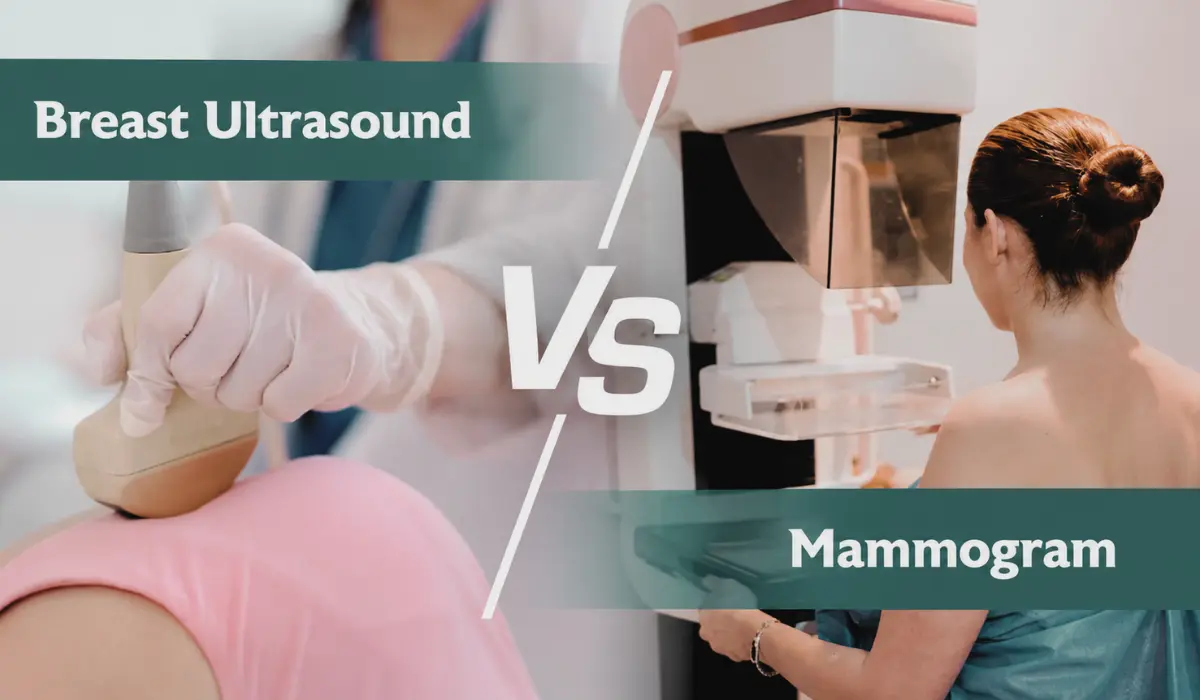
Breast imaging plays an important role in identifying changes within breast tissue and helping healthcare providers evaluate concerns. Two of the most commonly used imaging tests are breast ultrasounds and mammograms. While both are used to examine breast health, they serve different purposes and may be recommended in different situations.
Many people wonder which test is better or whether one can replace the other. The answer depends on several factors, including age, breast density, symptoms, and a healthcare provider’s recommendations. Understanding the differences can help patients feel more informed and prepared when discussing breast imaging options.
Why Doctors May Recommend Different Breast Imaging Tests?
Breast health needs can vary from person to person. Some individuals undergo routine screening as part of preventive healthcare, while others need additional imaging because of symptoms or findings from previous tests.
Doctors often choose imaging methods based on the information they need. In many cases, a mammogram is used first, and a breast ultrasound is added for further evaluation. Rather than competing tests, they frequently work together to provide a clearer picture of breast tissue.
Breast Ultrasound vs Mammogram: Main Differences
A mammogram uses low-dose X-rays to create detailed images of the breast. It is commonly used as a screening tool for detecting early signs of breast cancer before symptoms develop. Mammograms can identify small abnormalities that may not be noticeable during a physical examination.
A breast ultrasound uses sound waves to create images of breast tissue. It is often used to investigate specific areas of concern, such as lumps or abnormalities found during a mammogram. Ultrasound can provide additional details that may help distinguish between different types of breast changes.
Imaging Technology
Mammograms rely on X-ray technology to capture images from different angles. The images can reveal calcifications, masses, and other structural changes that may require further evaluation.
Ultrasounds use sound wave reflections to create real-time images. Since no radiation is involved, the procedure provides a different perspective on breast tissue and may help healthcare providers gather more information about certain findings.
Best Use Cases
Mammograms are commonly recommended for routine breast cancer screening, especially for women within screening age guidelines. They are considered an important tool for detecting early changes that may not cause symptoms.
Breast ultrasounds are often used when additional imaging is needed. They may be recommended to examine a specific lump, evaluate breast pain, or provide more information about an area identified during a mammogram.
How Breast Density Can Influence Testing?
Dense breast tissue can make it more difficult for certain abnormalities to appear clearly on a mammogram. This is because both dense tissue and some abnormalities may appear similar on the images.
In individuals with dense breasts, healthcare providers may recommend supplemental imaging. A breast ultrasound can sometimes help provide additional information and improve visibility in areas where mammography alone may be less clear.
Comfort And Procedure Experience
Many people are concerned about what to expect during breast imaging. Mammograms require the breast to be compressed between imaging plates for a short period. While some people experience mild discomfort, the process is usually brief.
A breast ultrasound typically involves a handheld device moving over the skin with the help of a gel. Most individuals find the procedure comfortable because there is no compression involved. The experience can vary from person to person, but both tests are generally completed within a short appointment.
Accuracy And Diagnostic Value
Mammograms are highly effective at detecting certain early breast changes, including tiny calcium deposits that may be associated with breast cancer. They remain one of the most important screening tools available today.
Ultrasounds provide valuable additional information, especially when evaluating specific concerns. However, they may not identify all abnormalities that a mammogram can detect. For this reason, ultrasound is often used alongside mammography rather than as a replacement.
Situations Where Both Tests May Be Used
Sometimes a mammogram identifies an area that requires closer examination. In these situations, a breast ultrasound may help provide further details about the finding.
Healthcare providers may also recommend both tests when evaluating symptoms such as a breast lump, localized pain, or changes noticed during a physical examination. Using multiple imaging methods can help create a more complete assessment.
Safety Considerations
Mammograms involve a very small amount of radiation exposure. The amount used is carefully controlled and considered safe for routine screening according to established medical guidelines.
Breast ultrasounds do not use radiation. Instead, they rely on sound waves, making them a suitable imaging option in situations where additional evaluation is needed. Healthcare providers determine the most appropriate test based on individual circumstances.
Choosing The Right Test
The choice between a breast ultrasound and a mammogram is not usually a matter of selecting one over the other. Each test provides unique information and may serve a specific role in breast health evaluation.
The best approach is to follow recommendations from a healthcare provider who can consider factors such as age, symptoms, personal health history, and breast density. Together, these factors help determine the most appropriate imaging plan.
Final Thoughts
Understanding breast ultrasound vs mammogram can help reduce uncertainty and improve confidence when discussing breast health. Mammograms are widely used for routine screening and early detection, while ultrasounds often provide additional information when further evaluation is needed.
Rather than replacing one another, these imaging tests frequently complement each other. Knowing their strengths and limitations can help individuals better understand why a healthcare provider may recommend one test, or sometimes both, during the evaluation process.
FAQs
A mammogram is usually better for routine screening, while ultrasound adds detail. Together, they may help doctors detect more breast changes accurately.
Yes, in most cases. Ultrasound is usually used with mammography, especially for dense breasts, and is not normally a full replacement.
A breast ultrasound can help detect suspicious lumps or masses, but a biopsy or further testing is often needed to confirm cancer.
A mammogram can show tiny calcium deposits and some small changes that ultrasound may miss, making it useful for early screening.
Usually, no. Mammograms and ultrasounds work best together when needed, because each test gives different information about breast tissue.