
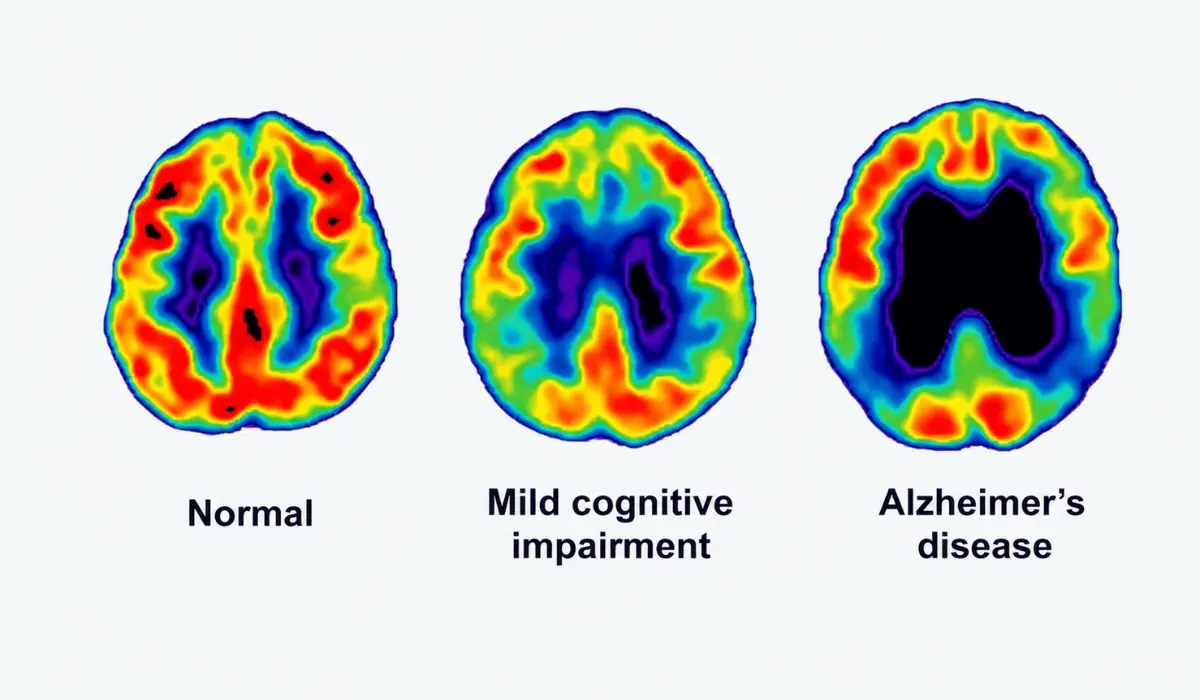
An amyloid PET scan is becoming an important part of modern brain imaging, especially when doctors are trying to understand memory problems and changes in thinking. As awareness about cognitive health continues to grow, more people are hearing about this scan during discussions about Alzheimer’s disease and related conditions.
Many individuals and families look for answers when memory loss, confusion, or behavioral changes begin to affect daily life. An amyloid PET scan can provide additional information that helps doctors better evaluate what may be happening inside the brain and guide future care decisions.
Why Brain Imaging Matters In Cognitive Health?
Memory problems can happen for many reasons. Stress, aging, medications, sleep issues, vitamin deficiencies, and neurological conditions may all affect thinking and concentration. Because symptoms can overlap, doctors often use different tests to gather a clearer picture.
Brain imaging plays an important role in this process. It helps healthcare providers look for physical changes in the brain that may not be visible during a regular examination. Imaging tests can support a more informed diagnosis and may help reduce uncertainty for patients and caregivers.
Growing Interest In Early Detection
More people today are seeking evaluation earlier instead of waiting for severe symptoms to appear. Families often notice subtle changes first, such as repeated questions, difficulty remembering appointments, or trouble handling familiar tasks.
Early assessment may help people better understand their condition and prepare for future medical and lifestyle decisions. In some cases, imaging tools like an amyloid PET scan are included as part of a broader evaluation when doctors suspect cognitive decline.
Understanding Amyloid Buildup In The Brain
Amyloid is a type of protein that can collect in the brain over time. Researchers have studied amyloid plaques for many years because they are commonly linked with Alzheimer’s disease. These protein deposits may appear years before severe memory symptoms develop.
However, amyloid buildup alone does not always mean a person has dementia. Some individuals may have amyloid in the brain without major symptoms, while others may experience cognitive decline from different causes. This is why doctors combine imaging results with medical history, neurological exams, and cognitive testing.
A Tool Used Alongside Other Evaluations
An amyloid PET scan is usually not the first test someone receives. Doctors often begin with physical exams, blood tests, memory assessments, and other imaging studies before deciding whether this scan may provide useful information.
The goal is not simply to confirm one condition but to better understand the possible reasons behind a person’s symptoms. When combined with other evaluations, the scan may help healthcare providers make more informed decisions about diagnosis and care planning.
Situations Where An Amyloid PET Scan May Be Considered
Doctors may recommend this scan when memory problems are unusual, difficult to explain, or progressing faster than expected. It may also be considered when symptoms appear at a younger age or when standard evaluations do not provide clear answers.
In some cases, specialists use the scan to help distinguish Alzheimer’s disease from other neurological conditions that can cause similar symptoms. This additional information may support treatment planning and conversations about long-term care needs.
Support For Families And Caregivers
Uncertainty can be emotionally difficult for both patients and families. Some people spend years trying to understand changes in memory, mood, or behavior without receiving a clear explanation.
Having more detailed imaging information may help families better understand what might be contributing to symptoms. While the scan cannot predict every outcome, it may provide valuable insight that supports future planning and medical discussions.
Preparing For The Scan Experience
Most amyloid PET scans are performed in outpatient imaging centers or hospitals. Patients receive instructions beforehand, including guidance on medication preparation, fasting or eating, and arrival times, ensuring proper readiness for accurate brain imaging results.
The process generally involves receiving a small amount of radioactive tracer through an injection. After waiting for the tracer to circulate through the body, the patient lies still while the scanner captures detailed brain images. Proper preparation helps ensure accurate results and minimizes interference from medications or diet.
What Patients Commonly Experience?
The scan itself is generally painless, though some people may feel nervous about the equipment or the testing process. The scanner is open on both ends, and healthcare staff guide patients throughout the procedure.
Appointments can take several hours from start to finish because of preparation and waiting periods. However, the actual imaging portion is often shorter. Most individuals are able to return to normal daily activities afterward unless their doctor provides different instructions.
Benefits Of Amyloid PET Imaging
One of the main advantages of an amyloid PET scan is its ability to provide detailed information that may not appear on standard brain imaging tests. This can help reduce uncertainty in complicated cases where symptoms do not clearly match one condition.
The scan may also support earlier and more accurate discussions about treatment options, future planning, and supportive care. Patients and families often appreciate having additional information when making important healthcare decisions.
Supporting Research And Medical Advances
Amyloid PET imaging has also become important in medical research. Scientists continue studying Alzheimer’s disease and other cognitive disorders to improve diagnosis and treatment approaches.
In some clinical studies, amyloid imaging helps researchers identify participants who may benefit from certain therapies being tested. As research continues, imaging technology may play an even larger role in understanding brain health and disease progression.
Important Limitations To Keep In Mind
Although amyloid PET scans can provide useful information, they are not perfect or definitive on their own. A positive result does not automatically confirm Alzheimer’s disease, and a negative result does not explain every type of memory problem.
Doctors interpret scan results carefully alongside other medical findings. Cognitive health is complex, and many factors can contribute to changes in memory, thinking, and behavior over time.
Cost And Accessibility Concerns
Another important consideration is access. Amyloid PET scans may not be available in every medical facility, and insurance coverage can vary depending on location, medical guidelines, and patient circumstances.
Because of cost and availability, doctors usually recommend the scan only when the results are likely to meaningfully affect diagnosis or treatment planning. Patients are often encouraged to discuss financial and practical questions with their healthcare providers beforehand.
Emotional Impact Of Brain Health Testing
Waiting for answers about memory and cognitive changes can be stressful. Some individuals feel anxious before the scan or worried about what the results may reveal about the future.
Support from healthcare professionals, family members, and counseling resources may help people navigate these emotions. Open communication and realistic expectations are important throughout the evaluation process.
Looking Beyond The Scan
Even when imaging results provide new information, long-term brain health management usually involves many factors beyond testing alone. Lifestyle habits, physical health, mental stimulation, social interaction, and medical follow-up all remain important.
An amyloid PET scan is one piece of a larger picture. It may contribute valuable information, but ongoing care and support continue to play a major role in maintaining quality of life.
The Future Of Amyloid PET Scan Technology
Advances in brain imaging continue to improve how doctors study neurological conditions. Researchers are exploring newer tracers, better imaging methods, and more personalized approaches to cognitive care.
As science progresses, amyloid PET imaging may become more accessible and integrated into broader diagnostic strategies. Ongoing research could help improve understanding of Alzheimer’s disease and other forms of dementia in the years ahead.
Conclusion
An amyloid PET scan can provide important insight when doctors are evaluating memory loss and cognitive changes. While it is not a standalone answer, it may help healthcare providers better understand what is happening inside the brain.
For patients and families seeking clarity, the scan can be a valuable part of a broader medical evaluation. Combined with professional guidance and supportive care, it may help individuals make more informed decisions about their future health.
Frequently Asked Questions
The scan is generally not painful. Patients usually receive an injection before imaging, but the scanning process itself is non-invasive.
The full appointment may take several hours, including preparation time, although the actual scan is often much shorter.
No. Doctors use the scan alongside medical history, cognitive testing, and other evaluations to better understand symptoms.
The amount of radiation used is typically low. Healthcare providers review safety information before the procedure.
People with unexplained memory problems or suspected cognitive disorders may sometimes be evaluated with this imaging test based on a doctor’s recommendation.
References
Mayo Clinic – PET scan
https://www.mayoclinic.org/tests-procedures/pet-scan/about/pac-20385078
Alzheimer’s Association – Brain Imaging
https://www.alz.org/alzheimers-dementia/diagnosis/medical_tests
RadiologyInfo.org – PET Scan
https://www.radiologyinfo.org/en/info/pet
National Institute on Aging – Diagnostic Tests for Alzheimer’s
https://www.nia.nih.gov/health/alzheimers-symptoms-and-diagnosis/how-alzheimers-disease-diagnosed