Pregnancy is one of the most life-changing experiences a woman can undergo, but the earliest signs can often be subtle. While a missed period is widely recognized as the first indicator, many other physical and emotional changes can appear in the first few weeks after conception. Recognizing these signs can help women take timely steps toward confirming pregnancy and initiating prenatal care.
It is important to remember that every woman’s body responds differently. Some women may notice multiple early signs, while others experience very few changes initially. Understanding common early symptoms can help women stay attuned to their bodies and know when to seek medical guidance.
1. Missed Period
For women with regular cycles, a missed period is typically the earliest and most noticeable sign of pregnancy. This occurs when hormonal changes prevent the uterine lining from shedding.
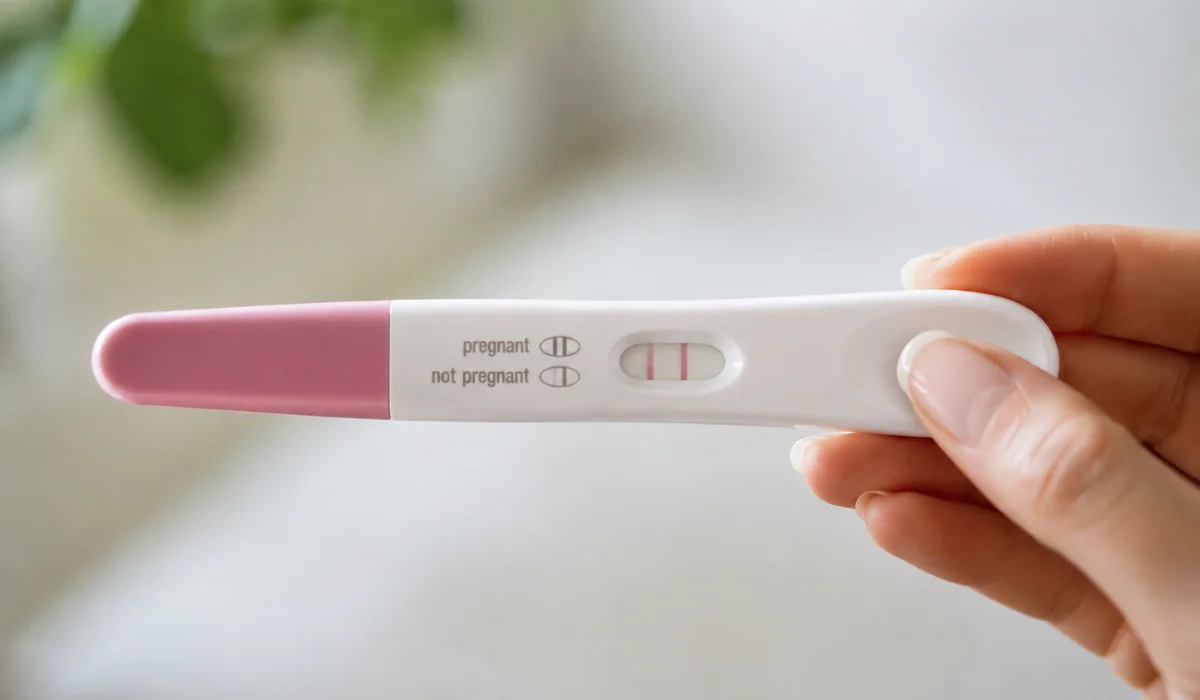
However, a missed period is not always definitive, as stress, illness, excessive exercise, or hormonal imbalances can also disrupt the menstrual cycle. A home pregnancy test is often the first step after a missed period to confirm pregnancy.
2. Fatigue And Low Energy
Extreme tiredness can appear within the first week or two after conception. Rising progesterone levels, a hormone essential for maintaining pregnancy, can make women feel unusually fatigued.
In addition, the body increases blood production to support the developing embryo, which can contribute to feelings of weakness and low energy. Prioritizing rest and listening to your body during this period is important.
3. Nausea And Morning Sickness
Morning sickness is a classic early symptom of pregnancy. Despite the name, nausea can occur at any time of the day. Hormonal shifts, particularly increases in human chorionic gonadotropin (hCG) and estrogen, are believed to trigger nausea.
Some women may experience mild queasiness, while others may have vomiting or food aversions. Strong odors, caffeine, and certain foods can exacerbate these symptoms.
4. Breast Changes
Early pregnancy often causes changes in the breasts, including tenderness, swelling, or tingling sensations. The nipples may become darker or more sensitive.
These changes occur as the body prepares for breastfeeding, with increased blood flow and tissue development in the mammary glands. Breast changes are often more noticeable than menstrual-related tenderness.
5. Frequent Urination
An increase in urination may occur within the first few weeks of pregnancy. Hormonal changes, especially elevated progesterone, increase kidney filtration rates and blood flow, causing more frequent trips to the bathroom.
As pregnancy progresses, the growing uterus places additional pressure on the bladder, intensifying this symptom.
6. Mood Swings And Emotional Sensitivity
Pregnancy hormones can significantly affect emotions. Women may feel unusually irritable, anxious, or teary even without an obvious trigger.
These mood swings can resemble premenstrual symptoms but are often more pronounced. Practicing stress-reduction techniques such as meditation, deep breathing, or light exercise can help manage emotional changes.
7. Food Cravings And Aversions
Early pregnancy can change taste preferences and smell sensitivity. Some women develop cravings for specific foods, while others develop strong aversions to certain flavors or smells.
Food aversions may contribute to nausea, while cravings often involve sweet or salty foods. Maintaining a balanced diet despite these fluctuations is essential for maternal and fetal health.
8. Light Spotting And Cramping
Implantation bleeding occurs when the fertilized egg attaches to the uterine lining. It is usually lighter than a menstrual period and may appear pink or brown.
Mild cramping may accompany this spotting but is generally less severe than menstrual cramps. If bleeding is heavy or persistent, it is important to consult a healthcare provider.
9. Bloating And Digestive Changes
Hormonal shifts can slow digestion, leading to bloating in early pregnancy. Women may feel abdominal fullness or mild discomfort similar to premenstrual bloating.
These changes are often temporary but can signal that the body is adjusting to new hormone levels.
10. Headaches And Dizziness
Fluctuating hormone levels and changes in blood circulation may cause headaches and dizziness during early pregnancy. Maintaining hydration, eating regular meals, and resting can help alleviate mild symptoms.
Persistent or severe headaches should be evaluated by a healthcare provider to rule out other causes.
When To Take A Pregnancy Test
Home pregnancy tests are most accurate after a missed period, as hCG levels may not be high enough to detect before then. If symptoms persist despite a negative result, repeat testing after a few days or a blood test at a healthcare provider’s office can confirm pregnancy earlier.
Ultrasound Scans During Early Pregnancy
Once pregnancy is suspected or confirmed, healthcare providers may recommend an ultrasound scan to evaluate the developing embryo and uterus. Ultrasound is the safest and most commonly used imaging technique in pregnancy, as it does not use radiation.
Early pregnancy ultrasounds help to:
- Confirm the presence of a gestational sac
- Determine gestational age
- Check for a heartbeat
- Identify multiple pregnancies
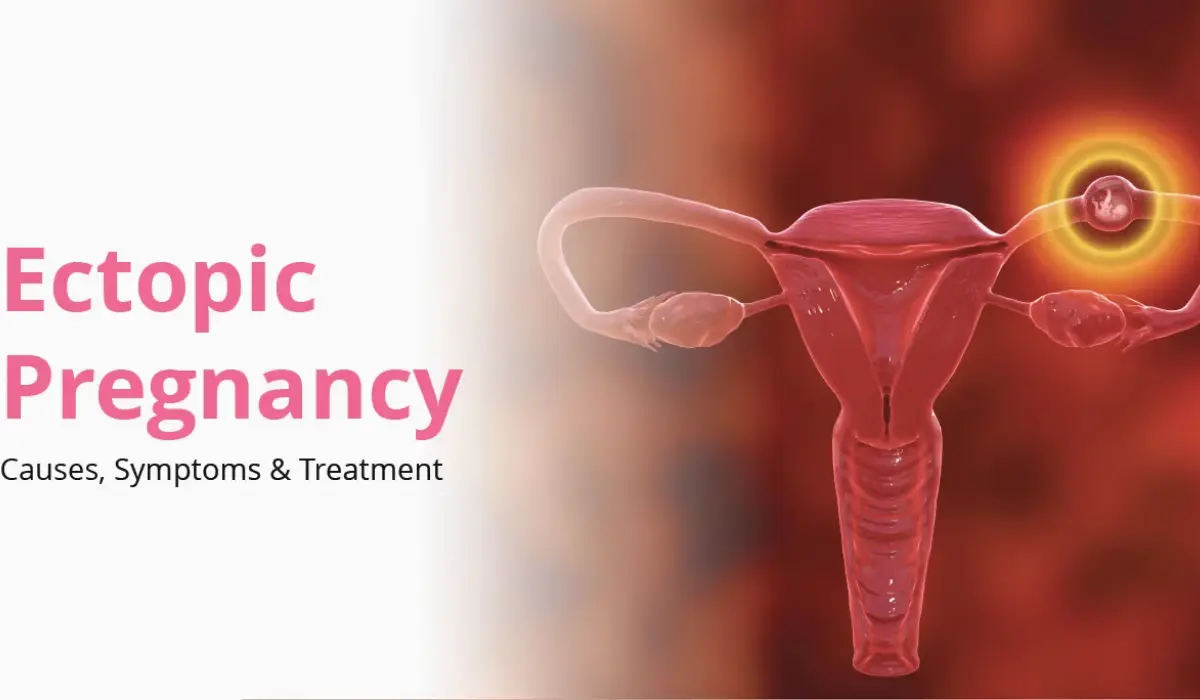
- Detect any early complications, such as ectopic pregnancy or abnormal growth
Ultrasounds are usually performed transvaginally in the first trimester for better imaging, and later in pregnancy, abdominal scans are used as the uterus grows. These scans provide important information for monitoring early fetal development and guiding prenatal care.
Caring For Yourself In Early Pregnancy
While awaiting confirmation, women can take steps to support health and comfort:
- Stay hydrated and rest frequently
- Eat a nutrient-rich, balanced diet
- Avoid alcohol, smoking, and recreational drugs
- Take prenatal vitamins with folic acid if recommended
- Monitor early symptoms and keep a symptom diary
Early prenatal care is important for both maternal health and fetal development.
Conclusion
The early signs of pregnancy can vary from woman to woman. While a missed period is often the first noticeable sign, symptoms such as fatigue, nausea, breast tenderness, mood swings, and bloating may occur even before confirmation.
Recognizing these early indicators can help women understand their bodies and know when to take a pregnancy test, schedule pelvic and abdomen scanning, or seek professional medical advice.
Timely awareness and proper prenatal care are crucial for a healthy pregnancy journey.
Frequently Asked Questions
Yes. Some women notice symptoms that appear and disappear during the first few weeks because hormone levels continue changing rapidly.
Most home pregnancy tests are highly accurate when taken after a missed period and according to the instructions provided.
Some women report fatigue, bloating, or mild cramping within the first week, but many do not notice symptoms until later.
Mild cramping can happen during implantation and early uterine changes. Severe pain or heavy bleeding should be evaluated by a doctor.
Hormonal changes increase blood flow and prepare the breasts for breastfeeding, which can cause tenderness, swelling, and sensitivity.
Yes. Hormonal shifts and changes in blood circulation may cause dizziness or lightheadedness in early pregnancy.
Healthcare providers often recommend avoiding alcohol, raw seafood, unpasteurized dairy products, and undercooked meats during pregnancy.
References
- Pregnancy Symptoms – Mayo Clinic
https://www.mayoclinic.org/healthy-lifestyle/pregnancy-week-by-week/in-depth/pregnancy-symptoms/art-20043853 - Pelvic Ultrasound in Early Pregnancy – Johns Hopkins Medicine
https://www.hopkinsmedicine.org/health/treatment-tests-and-therapies/ultrasound-in-early-pregnancy - First Trimester Ultrasound – Cleveland Clinic
https://my.clevelandclinic.org/health/diagnostics/17438-ultrasound-pregnancy - Early Signs of Pregnancy – Healthline
https://www.healthline.com/health/pregnancy/early-signs-of-pregnancy