
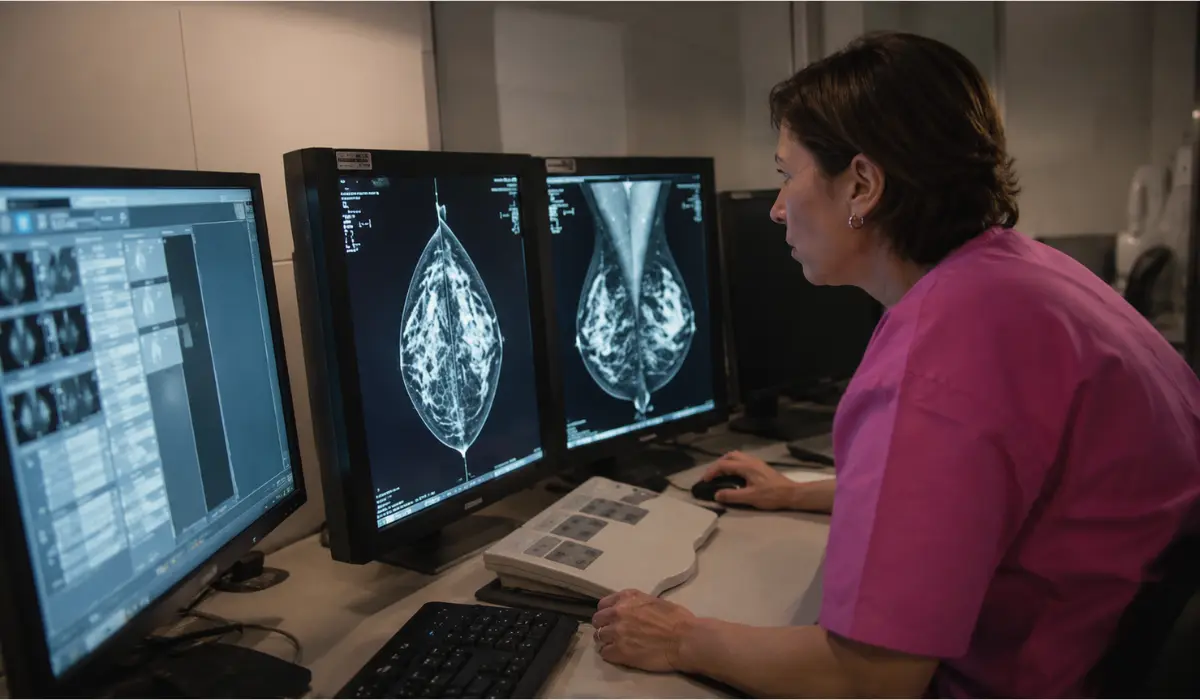
Waiting for mammogram results can feel stressful for many people. After the appointment is over, the next concern is often about the report and how much time it may take before hearing back from the imaging center or doctor.
The good news is that most mammogram reports are available within a few days. Some clinics even provide early updates within 24 hours. Still, the exact waiting period can vary depending on the facility, the radiologist’s schedule, and whether more breast imaging tests are needed.
Typical Mammogram Result Timeline
For many people, screening mammogram results arrive within 3 to 7 business days. Some hospitals and breast centers now use online patient portals that allow patients to see reports faster than traditional mailed letters.
Diagnostic mammograms may sometimes take longer because the radiologist may review the images more carefully. In certain clinics, the doctor may discuss findings on the same day if immediate review is available.
Why Timing Can Differ?
Different imaging centers follow different reporting systems. Some facilities have dedicated breast specialists who read scans quickly, while smaller clinics may need additional processing time before final reports are released.
The number of patients scheduled each day can also affect the reporting speed. During busy screening months, reports may take slightly longer than usual to complete and send.
Same-Day Results In Some Clinics
Certain breast centers now offer same-day mammogram readings. This usually happens in larger medical centers where radiologists are available during the appointment hours.
Same-day updates are more common for diagnostic appointments rather than routine screening visits. If extra images are required, patients may also complete additional scans during the same visit instead of returning later.
Digital Technology Helps Speed Up Reports
Modern digital mammography systems help radiologists review images faster than older film systems. Images can be enlarged, adjusted, and shared electronically within minutes.
This technology also improves communication between imaging departments and healthcare providers. Faster image transfers may reduce the overall time spent waiting for final results.
What Happens While The Images Are Reviewed?
After the mammogram is completed, a radiologist carefully studies the breast images for any unusual changes. They compare current images with older scans whenever previous records are available.
The radiologist then creates a report that explains whether the findings appear normal or if additional evaluation is recommended. This process helps ensure the results are accurate before being shared with patients.
Comparing With Older Mammograms
Previous mammograms are very important during the review process. Small changes in breast tissue are easier to understand when earlier images are available for comparison.
If the imaging center must request older records from another clinic, the reporting process may take longer. Delays sometimes happen simply because prior images have not yet arrived.
When Additional Imaging May Be Needed?
Being called back after a mammogram does not automatically mean cancer is present. Many callbacks happen because the radiologist wants a clearer look at a certain area of breast tissue.
Extra tests may include additional mammogram views, ultrasound breast scans, or other forms of imaging. Dense breast tissue, shadows, or overlapping tissue can sometimes create unclear images that require another review.
Dense Breast Tissue Can Affect Results
Dense breast tissue is common and may make mammogram images harder to read. In these situations, doctors may recommend more detailed breast imaging tests to improve visibility.
Additional scans are often done as a precaution. Many follow-up appointments end with normal findings after the radiologist gathers clearer pictures.
How Patients Usually Receive Results?
Most clinics send mammogram reports through mailed letters, phone calls, secure patient portals, or direct communication from the doctor’s office. The method depends on the healthcare system and local regulations.
Normal results are often mailed automatically, while abnormal findings may lead to a phone call first. Some facilities also schedule follow-up appointments before discussing detailed results.
Reading The Report Can Feel Confusing
Mammogram reports sometimes contain medical terms that are difficult to understand. Words like asymmetry, calcifications, or dense tissue may sound alarming even when the findings are common and non-serious.
Patients should speak with their healthcare provider if they have questions about the report. A doctor can explain the findings clearly and discuss whether any further breast imaging is necessary.
Managing Anxiety While Waiting
Waiting for medical results can create emotional stress. Many people feel nervous during the days between the mammogram and the final report.
Staying busy, avoiding excessive online searching, and remembering that most mammogram results are normal may help reduce anxiety. Talking with trusted family members or healthcare professionals can also provide reassurance during the waiting period.
Follow-Up Does Not Always Mean Bad News
Callbacks after screening mammograms are fairly common, especially during a first mammogram. Radiologists often request more images simply to confirm that everything looks normal.
In many cases, follow-up testing identifies harmless cysts, dense tissue, or overlapping structures. Additional evaluation is mainly done to improve accuracy and patient safety.
When To Contact The Imaging Center?
Patients should contact the imaging center if they have not received results within the expected timeframe. Sometimes delays happen because contact information is outdated or reports are still processing.
Calling the clinic can provide updates and reduce unnecessary worry. Most facilities can explain whether the report is still under review or already sent to the doctor.
Final Thoughts
The waiting period for mammogram results can feel longer than expected, but most people receive reports within a few business days. Modern digital systems and faster breast technology continue improving reporting times in many healthcare centers.
If additional testing is recommended, it is often done to get clearer answers rather than confirm a serious condition. Staying informed, asking questions, and following up with healthcare providers can help make the process less stressful.
FAQ
Most people receive mammogram results within 3 to 7 business days, although some clinics provide same-day updates.
Yes. Some imaging centers and breast clinics offer same-day readings, especially for diagnostic mammograms.
Delays may happen because of busy schedules, additional image review, or waiting for previous mammogram records.
No. Many callbacks happen for extra breast imaging or clearer pictures and often turn out to be normal findings.
Yes. Doctors sometimes recommend an ultrasound breast scan to examine dense tissue or unclear areas more closely.