Preparing for a mammogram can feel stressful, especially if it is your first appointment. Many people receive a list of instructions before the test, and one common guideline is to avoid caffeine. This often leads to questions about why coffee, tea, soda, or energy drinks may not be recommended before the scan.
Understanding the reason behind this advice can help you feel more prepared and comfortable. While caffeine does not directly change mammogram images, it may affect breast sensitivity and make the experience more uncomfortable for some people.
Understanding The Connection Between Caffeine And Breast Sensitivity
Caffeine is a stimulant found in coffee, tea, chocolate, soft drinks, and many energy beverages. It can affect the body in different ways, including increasing alertness and sometimes causing temporary changes in breast tissue sensitivity.
Some people notice that their breasts feel more tender after consuming caffeine. During a mammogram, the breast is compressed for a few seconds to capture clear images. If the breasts are already sensitive, the compression may feel more painful or uncomfortable than usual.
Why Doctors Often Suggest Avoiding Caffeine?
Many imaging centers recommend avoiding caffeine for at least a few hours or even a day before the appointment. The main goal is to reduce possible discomfort during the screening process.
This advice is especially common for people who already experience breast tenderness during hormonal changes, such as before a menstrual period. Limiting caffeine may help reduce soreness and make the mammogram easier to tolerate.
Does Caffeine Affect Mammogram Results?
One of the biggest misunderstandings is that caffeine changes the mammogram images themselves. In most cases, caffeine does not directly interfere with the scan or prevent doctors from seeing abnormalities.
However, caffeine may contribute to temporary breast tenderness or lumpiness in some individuals. This can make the breasts feel more sensitive during compression, which is why avoiding caffeine is often recommended for comfort rather than image accuracy.
Common Drinks And Foods To Avoid Before A Mammogram
Many people think only coffee contains caffeine, but it can be present in several everyday foods and drinks. Paying attention to hidden caffeine sources may help if you are trying to reduce intake before your appointment.
Common caffeine sources include coffee, black tea, green tea, cola drinks, chocolate, energy drinks, and certain pre-workout beverages. Some medications for headaches or colds may also contain caffeine, so checking labels can be useful before the test.
Coffee And Espresso Drinks
Coffee is one of the most common caffeine sources. Even small cups may contain enough caffeine to increase breast sensitivity in some people.
Espresso-based drinks like lattes, cappuccinos, and iced coffee can also contain high caffeine levels. Decaffeinated options may be a better choice before the appointment.
Energy Drinks And Sodas
Energy drinks often contain large amounts of caffeine and stimulants. These beverages may increase jitters and body sensitivity in certain individuals.
Soft drinks such as cola and some flavored sodas also contain caffeine. Reading ingredient labels can help you identify hidden sources.
Chocolate And Snack Foods
Chocolate naturally contains small amounts of caffeine. Dark chocolate usually has more caffeine than milk chocolate.
Although small portions may not affect everyone, some people choose to limit chocolate before a mammogram to reduce possible breast tenderness.
How Long Before A Mammogram Should You Avoid Caffeine?
Different imaging centers may provide slightly different instructions. Some suggest avoiding caffeine only on the day of the mammogram, while others recommend limiting it for 24 to 48 hours before the appointment.
There is no universal rule that applies to everyone. If you are unsure, it is best to follow the instructions provided by your healthcare provider or the imaging center where the mammogram will be performed.
Tips To Make A Mammogram More Comfortable
Avoiding caffeine is only one way to improve comfort during the procedure. There are several other small steps that may help reduce stress and discomfort on the day of the appointment.
Scheduling the mammogram at a time when your breasts are less tender may also help. Many people prefer avoiding the week before their menstrual period because breast sensitivity can be higher during that time.
Wear Comfortable Clothing
Choosing a two-piece outfit can make changing easier during the appointment. Most mammograms require removing clothing from the waist up.
Loose and comfortable clothing may help you feel more relaxed before and after the screening.
Avoid Applying Products On The Chest Area
Many imaging centers ask patients not to wear deodorant, lotion, powder, or perfume near the breasts or underarms on the day of the mammogram.
Certain products may appear on the images and create confusion during the examination process.
Communicate With The Technician
If you are nervous or have sensitive breasts, telling the technician beforehand can help. They may adjust positioning or guide you through the process more gently.
Open communication often makes the experience less stressful and more manageable for first-time patients.
Is It Dangerous To Drink Caffeine Before A Mammogram?
Drinking caffeine before a mammogram is usually not dangerous. Many people accidentally consume coffee or tea before their appointment and still complete the test without any major issues.
The recommendation mainly focuses on comfort. If you already had caffeine before the appointment, you usually do not need to cancel unless your imaging center specifically instructs you otherwise.
What Happens During A Mammogram?
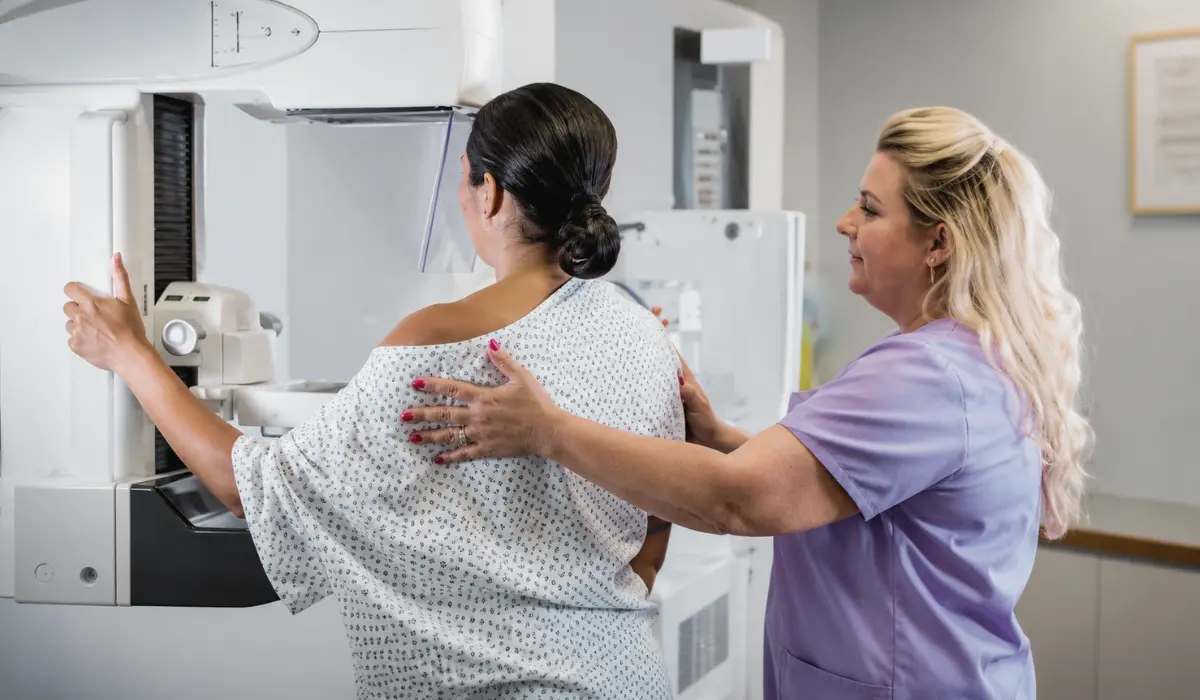
A mammogram is a low-dose X-ray used to examine breast tissue. It helps doctors detect changes that may not be felt during a physical exam.
During the procedure, each breast is placed between two plates and compressed briefly to capture detailed images. The compression may feel uncomfortable for a few seconds, but the process is generally quick.
Why Mammograms Are Important?
Regular mammograms play an important role in early breast health screening. Detecting changes early may help doctors identify concerns before symptoms become noticeable.
Many healthcare providers recommend routine mammograms based on age, personal history, family history, and individual risk factors. Following screening recommendations can support long-term breast health awareness.
Final Thoughts
The advice about why no caffeine before mammogram mainly relates to comfort rather than image quality. Caffeine may increase breast tenderness in some people, which can make the compression process feel more uncomfortable.
Every person reacts differently to caffeine, so the experience may vary. Following preparation instructions from your healthcare provider and taking small comfort measures can help make the mammogram experience smoother and less stressful.
Frequently Asked Questions
Drinking coffee before a mammogram usually does not affect test accuracy. However, caffeine may increase breast tenderness and make compression feel uncomfortable.
No, caffeine does not make breast tissue dense. Breast density is linked to factors like age, hormones, genetics, and overall breast composition.
Caffeine does not usually cause an abnormal mammogram. It may cause temporary breast soreness, but it does not change mammogram results directly.
There is no clear evidence showing that caffeine directly causes breast cancer. The recommendation before a mammogram mainly relates to comfort and breast tenderness.
In most cases, you can still attend the appointment. The mammogram can usually be completed normally even if you had caffeine earlier.