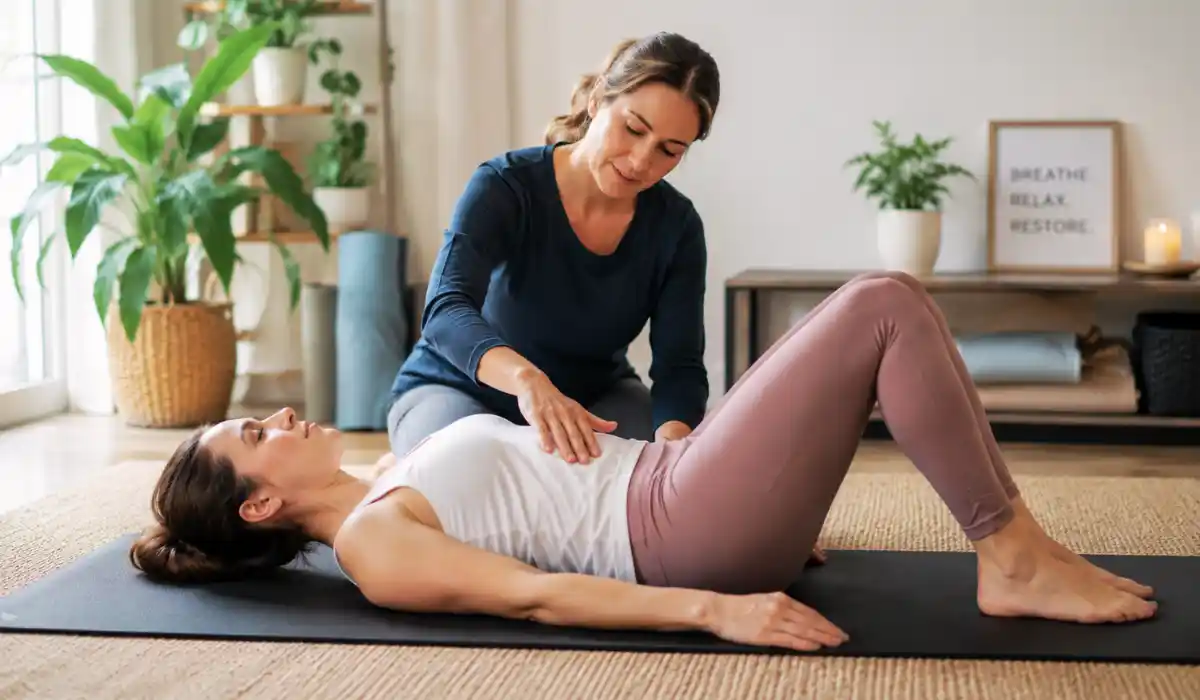
Pelvic health is an important part of women’s overall wellness, but many people only think about it when a screening or exam is coming up. A pelvic screening may include a pelvic exam, Pap test, HPV test, ultrasound, or other checks recommended by a healthcare provider. These screenings can help doctors understand what is happening in the reproductive and pelvic area.
Good pelvic health support does not mean trying to “change” test results. It means caring for your body in a steady, healthy way before the appointment. Simple steps like staying hydrated, eating well, tracking symptoms, and knowing what to expect can make the screening feel easier and more comfortable.
Understand What the Screening May Include
Before your appointment, it helps to understand what type of pelvic screening your provider recommends. A routine pelvic exam may check the vulva, vagina, cervix, uterus, ovaries, bladder area, and nearby pelvic structures. Depending on your age, symptoms, and health history, your provider may also suggest a Pap test, HPV test, pelvic ultrasound, or other follow-up testing.
In some cases, imaging may be needed when symptoms are not clear from a physical exam alone. For example, a pelvic ultrasound may help look at the uterus and ovaries, while a CT scan of the pelvis may be used to examine deeper pelvic organs, bones, blood vessels, bowel, bladder, and surrounding soft tissues.
Not every woman needs every test. The right screening depends on symptoms such as pelvic pain, irregular bleeding, bloating, urinary changes, or past medical concerns. If you are unsure why a test is being ordered, ask your provider what it checks, how to prepare, and what the results may show.
Track Your Symptoms Before The Visit
One of the best ways to support pelvic health before a screening is to write down any symptoms. This helps your provider understand patterns that may not be obvious during a short appointment.
Track symptoms such as pelvic pain, bloating, unusual discharge, irregular bleeding, pain during intercourse, urinary urgency, bladder leaks, constipation, or lower back discomfort. Also note when symptoms started, how often they happen, and whether they get worse around your period.
This information can guide your provider and may help them decide whether you need further testing, imaging, or treatment.
Support Your Body With Balanced Nutrition
Nutrition plays a role in overall pelvic wellness. A balanced diet may support healthy inflammation response, digestion, hormone balance, and immune function. Focus on whole foods like vegetables, fruits, whole grains, lean protein, beans, nuts, seeds, and healthy fats.
Fiber-rich foods may help support regular bowel movements, which matters because constipation can increase pressure in the pelvic area. Good fiber sources include oats, lentils, berries, chia seeds, vegetables, and beans.
Hydration is also important. Drinking enough water supports urinary tract health and may help reduce bladder irritation. Some women may feel better limiting bladder triggers like excess caffeine, alcohol, carbonated drinks, or very spicy foods before their visit.
Practice Gentle Pelvic Floor Awareness
The pelvic floor is a group of muscles that supports the bladder, uterus, rectum, and bowel function. Strong and flexible pelvic floor muscles can help with bladder control, bowel control, posture, and pelvic comfort.
Kegel exercises are often discussed for pelvic floor strength, but they are not right for everyone. Some women have tight pelvic floor muscles, and doing too many Kegels may make discomfort worse. A better first step is awareness. Notice whether you hold tension in your lower belly, hips, or pelvic area.
Gentle breathing, light stretching, walking, and relaxed posture may help the pelvic area feel less tense. If you have pelvic pain, bladder leaks, or pain with sex, a pelvic floor physical therapist may offer more personalized support.
Avoid Vaginal Products Before Certain Tests
If you are having a Pap test or cervical screening, ask your provider what to avoid before the appointment. In many cases, it is best to avoid douching, vaginal creams, suppositories, vaginal medicines, or intercourse for a short period before the test unless your doctor says otherwise.
These products may interfere with sample collection or make results harder to read. You do not need to use special cleansers or perfumes before a pelvic screening. The vagina is self-cleaning, and gentle external washing with water or mild soap is usually enough.
Choose The Right Appointment Timing
For comfort, many women prefer not to schedule a pelvic exam during heavy menstrual bleeding. However, light bleeding does not always mean the appointment must be canceled. If you are unsure, call the clinic and ask.
Try to schedule the visit at a time when you do not feel rushed. Emptying your bladder before the exam may also help you feel more comfortable. Bring a list of medications, supplements, past surgeries, menstrual details, and questions you want to ask.
Speak Up During The Screening
Your comfort matters. If you feel nervous, tell your provider before the exam starts. You can ask them to explain each step, move slowly, use a smaller speculum if appropriate, or pause if you feel pain.
Pelvic screenings can feel personal, and it is normal to feel anxious. A good provider should respect your concerns and help you feel informed. If you have a history of trauma, pain, or difficult exams, mention it before the screening so accommodations can be made.
Know When To Seek Medical Help Sooner
Do not wait for a routine screening if you have symptoms that feel sudden, severe, or unusual. Contact a healthcare provider sooner if you notice strong pelvic pain, heavy bleeding, bleeding after menopause, fever, foul-smelling discharge, painful urination, or a new lump or swelling.
Pelvic symptoms can sometimes overlap with lower abdominal concerns. If pelvic discomfort comes with ongoing lower abdominal pain, swelling, bowel changes, or unexplained bloating, your provider may recommend a CT scan of the abdomen to look at nearby organs and possible non-gynecologic causes.
Early evaluation can help doctors find the cause faster and decide whether you need treatment, imaging, or follow-up care.
Final Thoughts
Supporting pelvic health before screenings is mostly about preparation, awareness, and steady self-care. Eat balanced meals, stay hydrated, track symptoms, avoid unnecessary vaginal products before certain tests, and ask questions if you feel unsure.
Pelvic screenings are not something to fear. They are tools that help protect women’s health and catch concerns earlier. When you understand what to expect and care for your body before the visit, the experience can feel more manageable and less stressful.
Frequently Asked Questions
Write down symptoms, bring your medication list, stay hydrated, and ask your provider if you should avoid intercourse or vaginal products before the test.
Many providers suggest avoiding douching, vaginal creams, suppositories, and intercourse for a short time before a Pap test. Follow your clinic’s specific instructions.
Nutrition cannot guarantee better screening results, but a balanced diet may support digestion, immune health, hormone balance, and overall pelvic wellness.
Kegels may help some women, but they are not right for everyone. If you have pelvic pain or tightness, gentle breathing and pelvic floor therapy may be better.
Sometimes yes, especially if bleeding is light. If bleeding is heavy or you feel uncomfortable, call your clinic to ask whether you should reschedule.
Seek care quickly for severe pelvic pain, heavy bleeding, fever, bleeding after menopause, sudden bloating, or unusual discharge with a strong odor.
References
- ACOG: Pelvic Exams
https://www.acog.org/womens-health/faqs/pelvic-exams - Mayo Clinic: Pelvic Exam
https://www.mayoclinic.org/tests-procedures/pelvic-exam/about/pac-20385135 - Mayo Clinic: Pap Smear Preparation
https://www.mayoclinic.org/tests-procedures/pap-smear/about/pac-20394841 - NIDDK: Kegel Exercises
https://www.niddk.nih.gov/health-information/urologic-diseases/kegel-exercises - Office on Women’s Health: Pelvic Inflammatory Disease
https://womenshealth.gov/a-z-topics/pelvic-inflammatory-disease