
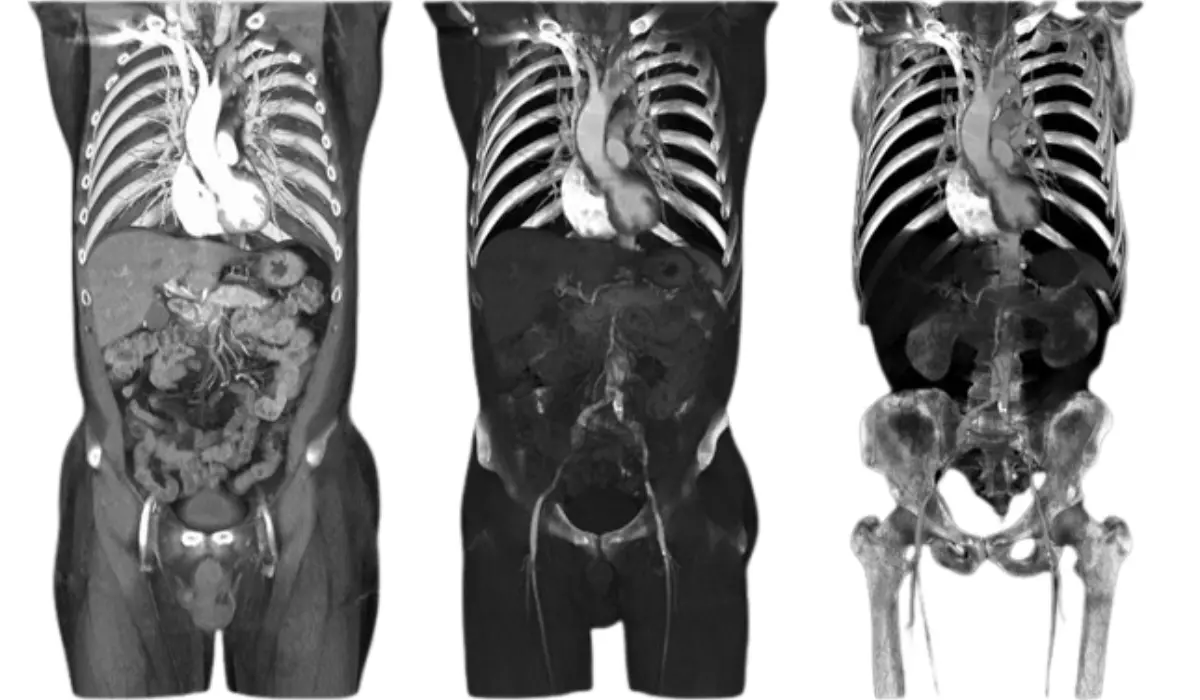
A CT Scan of the Pelvis is a common medical imaging test used to create detailed pictures of the lower part of the body. The pelvis includes the hip bones, bladder, reproductive organs, lower intestines, blood vessels, lymph nodes, muscles, and nearby soft tissues. Doctors may suggest this scan when symptoms or earlier tests do not give enough clear information.
For many people, the idea of having a CT scan can feel stressful, especially if it is their first time. In most cases, the scan is quick, non-invasive, and done in an imaging center or hospital. The goal is to help doctors better understand what may be causing pain, swelling, injury, infection, or other changes in the pelvic area.
Why Doctors May Recommend A CT Scan Of The Pelvis?
A doctor may recommend a CT Scan of the Pelvis when someone has lower abdominal pain, pelvic pain, unexplained swelling, trauma, or symptoms that need a closer look. The scan can help show problems related to bones, organs, soft tissues, and blood vessels in the pelvic region.
It may also be used when doctors need more detail after an X-ray, ultrasound, or physical exam. In some cases, the scan helps guide treatment planning, monitor a known condition, or check how well a treatment is working. The reason for the scan depends on each patient’s symptoms and medical history.
Common Pelvic Areas Seen During The Scan
Bones, Joints, and Soft Tissues
A pelvic CT can show the hip bones, sacrum, pelvic joints, and nearby muscles. This can be useful after an injury, fall, accident, or unexplained pain. It may help doctors look for fractures, bone changes, joint problems, or other structural issues.
The scan can also show soft tissues around the pelvis. This includes muscles, fat, and connective tissues. These details may help doctors evaluate swelling, masses, inflammation, or injury-related changes that may not be easy to see on a regular X-ray.
Bladder, Bowel, and Reproductive Organs
A CT Scan of the Pelvis can provide useful images of the bladder, lower bowel, and nearby organs. Doctors may use it to check for possible causes of pain, infection, blockage, abnormal swelling, or other pelvic concerns.
For women, the scan may show the uterus, ovaries, and surrounding tissues. For men, it may show the prostate and nearby structures. A CT scan may not replace all specialized tests, but it can give doctors a broader view of the pelvic area.
Preparing For A Pelvic CT Scan
Preparation depends on the type of scan ordered. Some people may be asked not to eat for a few hours before the appointment, especially if contrast material is planned. Others may be allowed to eat and drink normally. The imaging center usually gives instructions before the scan.
Patients should tell the care team about allergies, kidney problems, pregnancy, diabetes, recent illnesses, or any medicines they take. It is also helpful to wear comfortable clothing and remove metal items such as belts, jewelry, or zippers if asked, because metal can affect image quality.
Contrast Material And Why It May Be Used
Some pelvic CT scans are done with contrast material. Contrast is a special dye that helps certain organs, blood vessels, and tissues appear more clearly on the images. It may be given through an IV, taken by mouth, or used in another way depending on the reason for the scan.
Not every CT Scan of the Pelvis needs contrast. The decision depends on what the doctor is trying to find. Some people may feel warmth, a metallic taste, or mild discomfort when IV contrast is given. Serious reactions are uncommon, but patients should always report past contrast allergies or kidney concerns.
During The Appointment
During the scan, the patient usually lies on a narrow table that moves through the CT machine. The machine is shaped like a large ring, not a closed tunnel. The technologist may ask the patient to stay still and hold their breath briefly so the images come out clear.
The scan itself often takes only a few minutes, though the full appointment may take longer if preparation or contrast is needed. The technologist watches from a nearby room and can communicate during the test. Most people can return to normal activities soon after, unless their doctor gives different instructions.
Safety And Comfort Considerations
A CT scan uses X-rays to create detailed images. The amount of radiation is carefully controlled, and doctors only recommend the scan when the expected benefit is greater than the risk. Patients who are pregnant or may be pregnant should tell the care team before the scan.
Comfort is also important. Some people feel nervous before imaging tests, but the scan is usually fast and painless. If contrast is used, drinking fluids afterward may be recommended unless the doctor says otherwise. Patients should follow all instructions given by the imaging center.
Understanding The Results
After the scan, a radiologist reviews the images and prepares a report for the referring doctor. The report may describe normal findings, possible causes of symptoms, or changes that need more evaluation. Results are usually not explained fully by the technologist during the appointment.
The doctor who ordered the scan will discuss the results and next steps. Sometimes no serious problem is found, which can also be helpful. In other cases, the CT scan may lead to further tests, medicines, specialist referral, or treatment planning based on what the images show.
When To Ask Questions Before The Scan?
Patients should feel comfortable asking why the scan is needed and whether contrast will be used. It is also reasonable to ask about fasting, medication instructions, arrival time, expected duration, and whether someone can drive afterward.
People with kidney disease, previous contrast reactions, pregnancy concerns, or anxiety about the scan should mention these before the appointment. Clear communication helps the care team choose the safest and most useful approach for each patient.
Conclusion
A CT Scan of the Pelvis is a useful imaging test that helps doctors examine the lower body in detail. It may be used for pelvic pain, injury, infection, swelling, bowel or bladder concerns, or follow-up care. The scan is usually quick, and most people can return to normal routines soon afterward.
The best way to feel prepared is to follow the instructions given by the imaging center and share any health concerns before the test. When used appropriately, a pelvic CT scan can provide important information that supports better diagnosis, treatment planning, and patient care.
Frequently Asked Questions
A CT scan of the pelvis shows detailed images of pelvic bones, organs, blood vessels, soft tissues, infections, injuries, tumors, or pain-related changes.
A pelvic CT scan usually takes 10 to 30 minutes, while the actual scanning part may take only a few minutes.
A pelvic CT scan uses low-dose radiation, and contrast dye may rarely cause allergy or kidney concerns in sensitive patients.
Eating rules depend on contrast use. Some patients may need to avoid solid food for two to four hours before scanning.
A pelvic CT scan may show the bladder, bowel, reproductive organs, prostate, uterus, ovaries, blood vessels, bones, muscles, and nearby tissues.