Getting a mammogram report can sometimes feel stressful, especially when you notice unfamiliar terms. One of the findings that often causes concern is asymmetry. Many women immediately wonder, “Should I be worried about asymmetry in mammogram results?” While it is natural to feel anxious, it is important to know that asymmetry is a relatively common finding and does not automatically mean cancer.
In many cases, asymmetry simply reflects normal differences in breast tissue. However, because mammograms are designed to detect subtle changes, radiologists may recommend additional imaging to get a clearer view. Understanding what asymmetry means and what happens next can help reduce uncertainty and make the process less overwhelming.
Why Mammogram Findings Can Look Different?
Every woman’s breasts are unique. Just as one hand or foot may be slightly different from the other, breast tissue can naturally vary in size, density, and appearance. Mammograms capture detailed images of breast tissue, and these natural differences sometimes appear as asymmetry on the scan.
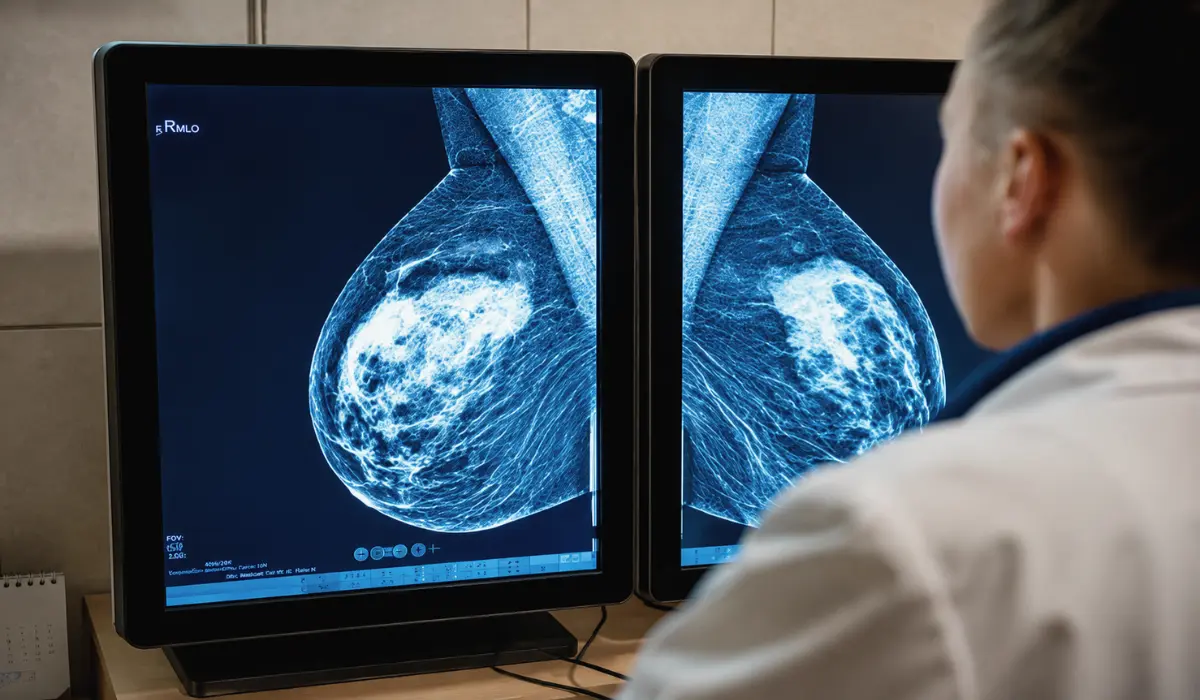
A finding of asymmetry means that one area of breast tissue looks different from the corresponding area in the opposite breast. In many situations, this difference has been present for years and is simply part of the person’s normal anatomy. Radiologists carefully compare current and previous mammograms to determine whether the appearance is stable or requires further evaluation.
Common Reasons Asymmetry Appears On A Mammogram
Several non-cancerous factors can cause asymmetry on a mammogram. Dense breast tissue is one of the most common reasons. Dense tissue can overlap on imaging and create areas that appear unusual, even though nothing abnormal is present.
Hormonal changes, weight fluctuations, aging, prior breast procedures, and benign breast conditions can also contribute to asymmetrical appearances. Sometimes the position of the breast during imaging affects how tissue appears on the mammogram. Because of these possibilities, a finding of asymmetry often leads to additional imaging before any conclusions are made.
It is important to remember that mammograms are screening tools. Their purpose is to identify areas that may need a closer look, not to provide an immediate diagnosis.
When Additional Testing Is Recommended?
Receiving a callback after a screening mammogram can be unsettling. However, callbacks are relatively common and often result in normal findings. Additional testing helps radiologists obtain more detailed images and determine whether the asymmetry is simply overlapping tissue or something that requires monitoring.
Diagnostic mammograms may include extra views taken from different angles. In some cases, a breast ultrasound is also recommended to evaluate the area more closely. These follow-up tests provide more information and often help rule out concerns without the need for invasive procedures.
Many women who return for additional imaging ultimately learn that the finding was benign and no treatment is necessary.
Understanding Different Types Of Asymmetry
Asymmetry
Basic asymmetry refers to an area of tissue seen on only one mammographic view. This type of finding is often related to overlapping breast tissue and frequently turns out to be harmless after further evaluation.
Radiologists may compare current images with prior studies to see whether the area has remained unchanged over time. Stability is usually a reassuring sign that lowers concern.
Focal Asymmetry
Focal asymmetry appears on at least two mammographic views and occupies a specific area within the breast. While it can still represent normal tissue variation, it may receive closer attention during evaluation.
Most focal asymmetries are benign, especially if they have remained stable across multiple mammograms. Additional imaging helps confirm whether any further investigation is necessary.
Developing Asymmetry
Developing asymmetry occurs when an area becomes more noticeable compared to previous mammograms. Because it represents a change rather than a longstanding feature, radiologists typically evaluate it more carefully.
Although developing asymmetry does not automatically indicate cancer, it may have a higher likelihood of requiring additional testing. This is why comparing current and previous mammograms is such an important part of breast imaging.
Should You Be Concerned About Breast Cancer?
The word “asymmetry” can sound alarming, but it is not a diagnosis of breast cancer. Many asymmetries are ultimately explained by normal breast tissue, overlapping structures, or benign conditions.
That said, healthcare providers take any new or unexplained finding seriously because early detection is important. Additional imaging helps determine whether the area is harmless or requires further assessment. Most women who receive follow-up testing do not receive a cancer diagnosis.
The key is not to panic while also following your healthcare provider’s recommendations. Completing any suggested follow-up imaging ensures that potential concerns are evaluated thoroughly and appropriately.
How Previous Mammograms Help Doctors?
One of the most valuable tools in breast imaging is comparison with prior mammograms. An area that looks unusual today may have appeared exactly the same on images taken years earlier.
When radiologists see that a finding has remained stable over time, they often feel more confident that it is benign. This comparison can prevent unnecessary testing and provide reassurance to patients.
For this reason, it is always helpful to have previous mammogram records available when undergoing breast imaging. Consistent screening creates a valuable history that helps doctors identify meaningful changes and avoid unnecessary worry.
Managing Anxiety While Waiting For Results
Waiting for follow-up imaging or test results can be emotionally challenging. It is common to experience worry, uncertainty, and stress during this period.
Focusing on reliable information rather than online speculation can help reduce anxiety. Talking with your healthcare provider about the findings and the next steps may also provide clarity. Remember that most mammogram callbacks do not result in a cancer diagnosis, and additional testing is often performed simply to obtain a clearer picture.
Maintaining regular screenings, attending follow-up appointments, and staying informed are the best ways to take an active role in your breast health.
What Questions Should You Ask Your Doctor?
If your mammogram report mentions asymmetry, consider asking your healthcare provider a few important questions. Understanding the type of asymmetry and whether it has changed over time can provide valuable context.
You may also want to ask whether additional imaging is recommended, what the follow-up timeline looks like, and whether previous mammograms were available for comparison. Clear communication can help you better understand your results and feel more confident about the next steps.
Reliable Resources For Learning More
Finding trustworthy information is essential when researching breast health topics. Reputable medical organizations provide evidence-based guidance about mammograms, breast imaging, and follow-up recommendations.
For additional information, consider reviewing resources from the American Cancer Society, which offers educational materials about mammograms, breast cancer screening, and breast health awareness.
Conclusion
If you are asking, “Should I be worried about asymmetry in mammogram results?” the answer is usually not immediately. Asymmetry is a common mammographic finding and often reflects normal variations in breast tissue rather than a serious problem.
However, follow-up imaging is important because it allows healthcare providers to confirm the cause of the finding. By attending recommended appointments, comparing previous mammograms, and staying informed, you can take proactive steps toward protecting your breast health while reducing unnecessary anxiety.
FAQs
No. Most asymmetries are not cancer. Many are caused by normal breast tissue variations or overlapping tissue seen during imaging.
A callback usually means the radiologist needs additional images for a clearer view. It does not automatically indicate a serious problem.
Doctors may recommend a diagnostic mammogram, breast ultrasound, or occasionally other imaging studies to evaluate the area further.
Yes. Some asymmetries are caused by overlapping tissue and may not appear on additional images taken from different angles.
Asymmetry is a relatively common mammogram finding. Many women experience this result and most cases turn out to be benign.