Many women put off getting a mammogram because they’ve heard it’s painful. It’s one of the most common reasons people delay or skip this important screening altogether. But is the fear really worth it – or is the reality much more manageable than the stories suggest?
The truth is, experiences vary from person to person. Some women feel little to no discomfort, while others find it briefly uncomfortable. Either way, understanding what actually happens and why can make a big difference in how you feel walking into that appointment.
What Does A Mammogram Actually Feel Like?
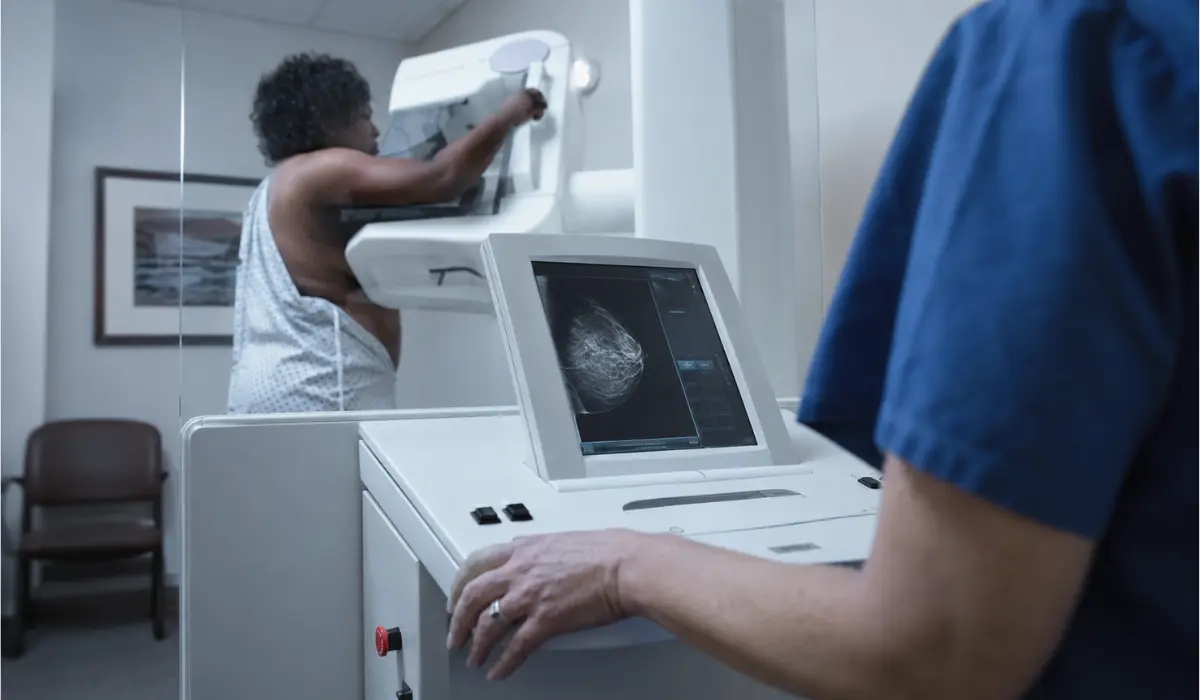
During a mammogram, your breast is placed on a flat plate and gently compressed by another plate from above. This compression lasts only a few seconds per image – usually around 10 to 15 seconds at most. The whole screening process typically takes less than 20 minutes from start to finish.
Most women describe the sensation as pressure rather than sharp pain. It can feel tight or slightly uncomfortable, especially during the compression, but it’s short-lived. Once the plates release, the feeling goes away almost immediately.
Why Some Women Find It More Painful Than Others?
Pain tolerance is personal, and several factors can make a mammogram feel more uncomfortable for some women than others. One of the biggest factors is timing – getting a mammogram right before or during your period, when breasts tend to be more tender and swollen, can make the compression feel more intense.
Breast size, density, and sensitivity also play a role. Women with denser breast tissue or smaller breasts sometimes find compression more noticeable. Past surgeries, implants, or certain health conditions can also affect comfort levels. None of these things mean the screening should be skipped – just that it’s worth being aware of your own body.
Tips To Reduce Pain During A Mammogram
These simple steps can help make the experience noticeably more comfortable:
1. Schedule at the right time in your cycle:
Try to book your appointment for the week after your period ends. Your breast tissue tends to be less sensitive during this window, which can significantly reduce any discomfort during compression.
2. Avoid caffeine a few days before:
Caffeine restriction before a mammogram may help some women reduce breast tenderness. Cutting back on coffee, tea, and energy drinks for a couple of days before your appointment may lower sensitivity and make breast compression feel less uncomfortable.
3. Take an over-the-counter pain reliever beforehand:
If you’re worried about pain or have experienced discomfort in past mammograms, consider taking ibuprofen or acetaminophen about an hour before your appointment. Always check with your doctor first, but this is a commonly recommended approach.
4. Communicate openly with your technologist:
The person performing your mammogram is there to help you. If you’re feeling anxious or if something feels too uncomfortable, speak up. Technologists are trained to adjust positioning and pressure to make the process as comfortable as possible while still getting the images they need.
The Discomfort vs. The Importance – Finding The Right Perspective
It’s completely normal to feel nervous before a mammogram, especially if it’s your first one. But it helps to put the discomfort into perspective – for most women, it’s a brief moment of pressure in exchange for something that can genuinely save their life. Mammograms remain one of the most effective tools for catching breast cancer early, often before any symptoms appear.
Early detection makes a major difference in treatment outcomes. Cancers caught in early stages are far more treatable, and in many cases, require less aggressive interventions. A few seconds of discomfort is a small price compared to what early screening can offer.
What To Do If Your Mammogram Was Painful?
If your last mammogram was painful, it’s worth talking to your doctor before the next one. There may be options to adjust the process, such as using a cushioning pad on the compression plate, which some clinics now offer. Letting the radiology technician know about your concerns before the exam begins gives them the chance to work with you.
You should also feel comfortable asking questions or requesting a short break if needed. Technicians understand that this can be an uncomfortable experience and most are trained to help make it as easy as possible. You don’t have to just push through in silence.
FAQs
No. Pain levels vary widely. Many women feel only mild pressure or no discomfort at all. A small number find it briefly painful, but the sensation passes within seconds.
The compression during each image lasts around 10 to 15 seconds. The entire screening is usually done in under 20 minutes.
Yes. Taking ibuprofen or acetaminophen about 30 to 60 minutes before your appointment is generally safe and can help reduce discomfort. Check with your doctor if you have any concerns.
It can. Women with smaller or denser breasts sometimes notice more pressure during compression. However, technicians are trained to adjust positioning to make the experience as comfortable as possible for all body types.
No. The brief discomfort is not a good reason to skip a screening that could detect breast cancer early. If pain is a real concern, speak with your doctor or the imaging center beforehand – there are steps that can help make it more comfortable.
References
Mayo Clinic – Mammogram Overview
https://www.mayoclinic.org/tests-procedures/mammogram/about/pac-20384806
Useful for explaining breast compression, discomfort, and what happens during a mammogram.
Cleveland Clinic – Mammogram: Procedure, Purpose, Results
https://my.clevelandclinic.org/health/diagnostics/4877-mammogram
Good source for general mammogram purpose, procedure details, and patient expectations.
American Cancer Society – Breast Cancer Screening Guidelines
https://www.cancer.org/cancer/types/breast-cancer/screening-tests-and-early-detection/american-cancer-society-recommendations-for-the-early-detection-of-breast-cancer.html
Best for screening age, mammogram importance, and breast cancer early detection guidance.
Breastcancer.org – Tips to Reduce Pain During Mammograms
https://www.breastcancer.org/screening-testing/mammograms/pain
Helpful for pain-reduction tips, anxiety management, and comfort before the test.