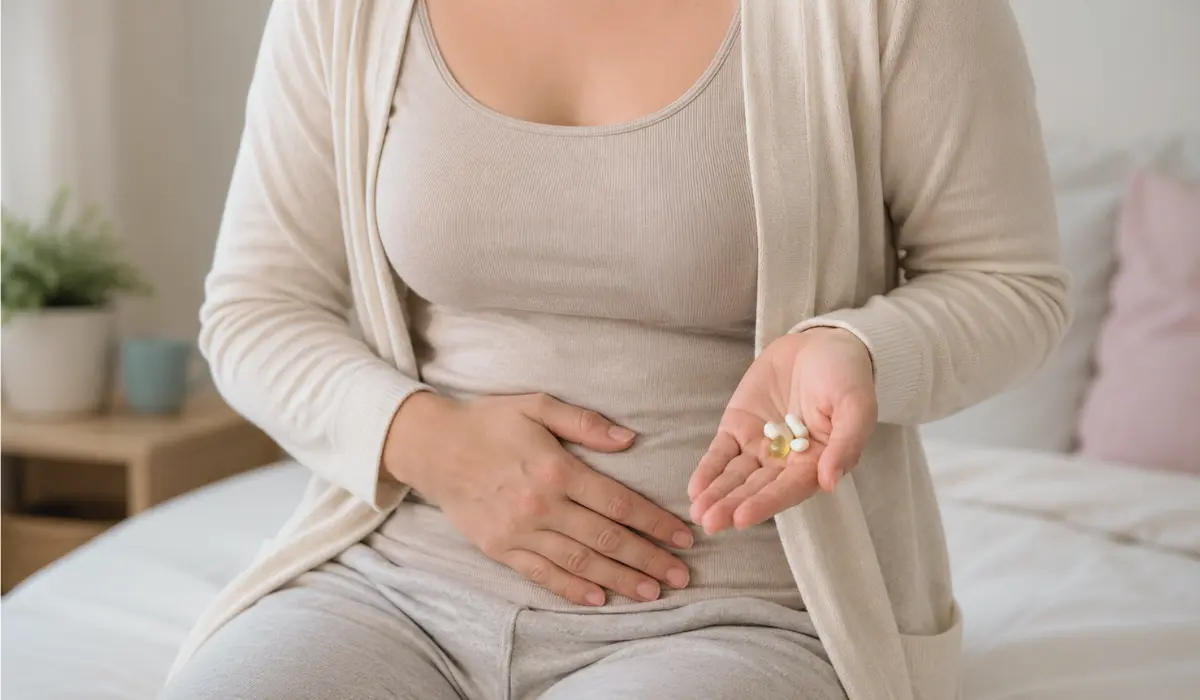
Premenstrual syndrome (PMS) affects many women each month, bringing a mix of physical and emotional discomfort. Common symptoms include bloating, cramps, fatigue, irritability, and mood swings. While lifestyle adjustments like regular exercise and balanced nutrition can help, certain supplements may provide additional support during this time.
Choosing the right supplements can aid in balancing hormones, reducing inflammation, and improving overall well-being. These nutritional options can help women feel more comfortable and maintain their daily routines despite premenstrual symptoms.
By understanding how vitamins, minerals, and herbal extracts influence PMS, women can make informed decisions. Some supplements specifically target mood regulation or hormonal balance, offering a natural approach to easing premenstrual discomfort without relying solely on medications.
Key Vitamins For PMS Relief
Vitamin B6
Vitamin B6 plays a role in neurotransmitter regulation, which can influence mood and reduce irritability. Many women report improvements in emotional premenstrual symptoms when supplementing with B6. This vitamin may also help alleviate mild physical symptoms like bloating and fatigue.
It is generally recommended to take B6 in moderate doses to avoid side effects like nerve irritation. Foods rich in B6 include poultry, fish, and bananas, but supplementation ensures consistent intake, especially in the luteal phase before menstruation, helping manage premenstrual symptoms effectively.
Magnesium
Magnesium helps relax muscles and supports nerve function, which can reduce cramps, headaches, and fatigue. Studies show that magnesium supplementation can also lessen water retention and mood swings associated with PMS.
Women experiencing menstrual-related discomfort often benefit from magnesium in the form of glycinate or citrate. Pairing it with vitamin B6 may further enhance its effects, making it a popular choice for premenstrual support.
Calcium
Adequate calcium levels are linked to lower PMS symptom severity. Calcium supplementation can help reduce bloating, cramps, and mood fluctuations, supporting both bone health and hormonal balance. It may also benefit women with PCOS, as calcium plays a role in regulating hormonal function.
Dairy products, fortified plant-based milks, and leafy greens are good dietary sources, but many women choose supplements for consistent dosing. Calcium works best when combined with vitamin D to improve absorption and effectiveness.
Herbal Supplements For PMS
Chasteberry (Vitex)
Chasteberry is a popular herbal remedy known to help balance progesterone and estrogen levels. It may reduce breast tenderness, mood swings, and irritability associated with PMS. Studies indicate it can improve luteal phase symptoms when taken consistently.
It is usually consumed as a standardized extract, tincture, or capsule. Women considering chasteberry should consult a healthcare provider, especially if taking other hormone-related medications.
Evening Primrose Oil
Evening primrose oil contains gamma-linolenic acid (GLA), which can reduce inflammation and alleviate breast tenderness. Some women find relief from mood swings and bloating when taking this supplement during the premenstrual phase.
It is generally taken as softgel capsules and works best with consistent daily use. While safe for most, mild side effects like digestive discomfort may occur in some users.
Omega-3 Fatty Acids
Omega-3 fatty acids, found in fish oil, help reduce inflammation and may improve mood regulation. Studies suggest they can alleviate cramps and depressive symptoms linked to PMS, providing both physical and emotional relief.
Regular intake of omega-3s supports overall cardiovascular health, making it a beneficial addition to daily nutrition. Plant-based sources, like flaxseed oil, are alternatives for those who avoid fish products.
Lifestyle Considerations
While supplements are valuable, pairing them with lifestyle adjustments enhances their effectiveness. Regular exercise can boost endorphins, reduce stress, and improve energy levels. A balanced diet rich in whole foods, adequate hydration, and limiting caffeine and alcohol can further reduce PMS symptoms.
Stress management techniques such as meditation, yoga, or deep breathing exercises complement nutritional support. Adequate sleep and consistent routines are crucial for hormonal balance, maximizing the benefits of vitamins, minerals, and herbal supplements.
Safety And Usage Tips
Before starting any supplement, it is important to consult a healthcare professional. Dosages, interactions with medications, and individual health conditions should be considered. Supplements are most effective when used consistently over several cycles, rather than as a one-time solution.
Choosing high-quality, standardized products ensures reliability and potency. Reading labels, checking for third-party testing, and buying from reputable brands can minimize risks and ensure safe premenstrual support.
Conclusion
Supplements can be a helpful tool for managing PMS symptoms, offering relief from cramps, mood swings, and fatigue. Combining vitamins, minerals, and herbal options with a healthy lifestyle provides a balanced and natural approach.
While no single supplement works for everyone, consistent use, proper dosing, and professional guidance can make a noticeable difference. With the right support, women can feel more comfortable and maintain their daily routines throughout the premenstrual phase.
Frequently Asked Questions
Supplements can reduce symptoms but may not fully eliminate them. Combining them with lifestyle changes offers the best relief.
Most supplements show noticeable benefits within 1-3 menstrual cycles when taken consistently.
Mild side effects like digestive upset or headache may occur. Following recommended dosages minimizes risks.
Yes, but it is best to consult a healthcare provider to avoid interactions and ensure optimal dosing.
Absolutely. A healthy lifestyle enhances the effectiveness of supplements, supporting both physical and emotional well-being.
References
1. Mayo Clinic – Premenstrual Syndrome (PMS):
https://www.mayoclinic.org/diseases-conditions/premenstrual-syndrome/symptoms-causes/syc-20376780
2. National Institutes of Health (NIH) – Dietary Supplements for PMS:
https://www.ncbi.nlm.nih.gov/books/NBK72353/
3. Cleveland Clinic – Vitamins and Supplements for PMS Relief:
https://health.clevelandclinic.org/magnesium-for-period-cramps
4. Harvard Health Publishing – PMS and Nutritional Support:
https://www.health.harvard.edu/a_to_z/premenstrual-syndrome-pms-a-to-z