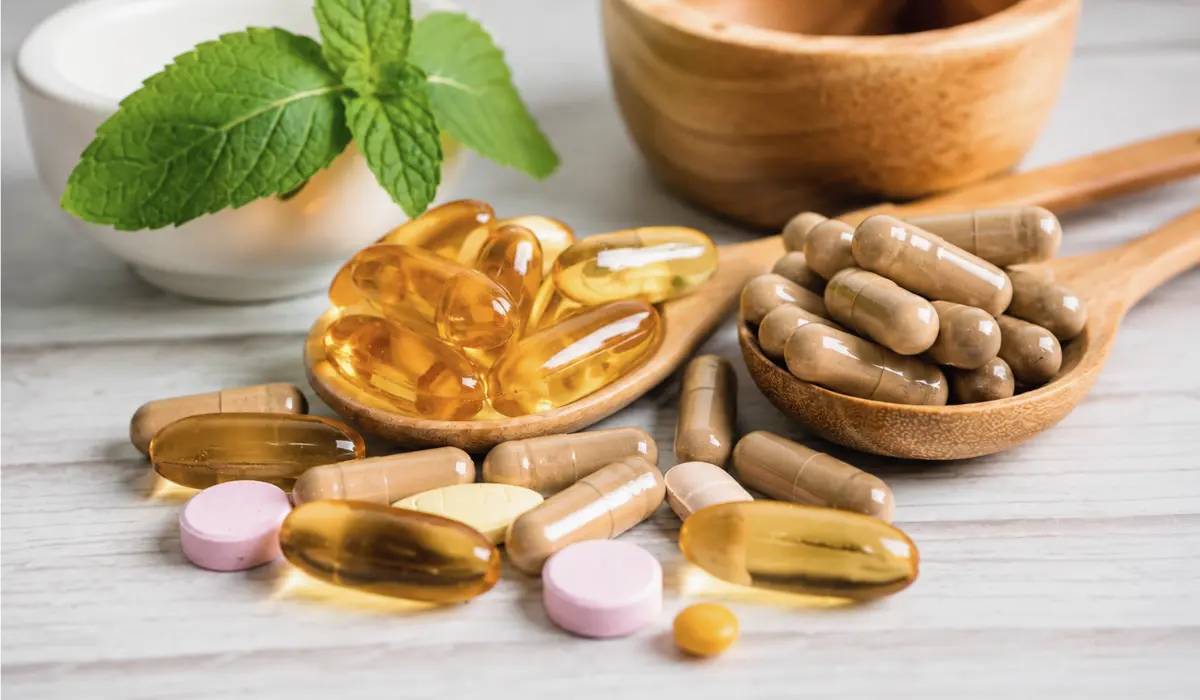
Getting older is a natural part of life, but how you age makes all the difference. The right nutrients can help you feel stronger, stay active, and maintain your overall health well into your later years. Many people don’t always get everything they need from food alone, and that’s where vitamins and supplements can step in to support the body.
It’s important to understand that aging brings real changes – slower metabolism, reduced absorption of key nutrients, and greater risk of certain deficiencies. Knowing which supplements are worth your attention can save you time, money, and help you make smarter choices for your long-term health.
Why Nutrition Matters More As You Age?
As the body ages, it becomes less efficient at absorbing and using key nutrients from food. At the same time, the body’s needs for certain vitamins and minerals actually increase. This gap between what the body absorbs and what it needs is one of the main reasons older adults are often advised to consider supplements.
Beyond just filling gaps, the right nutrients actively support bone density, brain function, immune defense, and cardiovascular health. A well-rounded supplement routine, combined with a balanced diet, can make a noticeable difference in energy levels and overall quality of life as you get older.
6 Vitamins And Supplements That Help With Healthy Agin
1. Vitamin D
Vitamin D plays a key role in keeping bones strong and supporting immune function. As people age, skin becomes less efficient at producing Vitamin D from sunlight, and many older adults spend less time outdoors. This makes deficiency surprisingly common among seniors, often going unnoticed until it leads to weaker bones or frequent illness.
Beyond bone health, Vitamin D has been linked to better mood regulation and reduced risk of certain chronic conditions. A daily supplement, especially during winter months or for those with limited sun exposure, is widely recommended by healthcare professionals for adults over 50.
2. Vitamin B12
Vitamin B12 is essential for maintaining healthy nerve function and producing red blood cells. As people get older, the stomach produces less acid, which is needed to absorb B12 from food. This is why deficiency becomes increasingly common after the age of 50, even in people who eat B12-rich foods like meat, eggs, and dairy.
Low B12 levels can lead to fatigue, memory problems, and even nerve damage if left unaddressed for a long time. Supplementing with B12 – either in tablet form or as part of a B-complex vitamin – is a simple and effective way to protect both brain health and energy levels with age.
3. Magnesium
Magnesium is involved in hundreds of processes in the body, including muscle function, sleep quality, and heart health. Yet it’s one of the most commonly deficient minerals in older adults, partly because its absorption decreases with age and certain medications can reduce magnesium levels further.
Getting enough magnesium can support better sleep, reduce muscle cramps, and help maintain a healthy heartbeat. It also plays a role in maintaining bone density alongside calcium and Vitamin D. To learn more about the different options, explore the types of magnesium available, which can help you choose the best form for absorption and effectiveness in healthy aging.
4. Omega-3 Fatty Acids
Omega-3 fatty acids, found in fish oil and certain plant sources, are well known for their heart-protective benefits. They help reduce inflammation in the body, which is a major driver of many age-related conditions including arthritis, heart disease, and cognitive decline. Most people don’t get enough omega-3s through diet alone, especially those who don’t eat fish regularly.
In addition to heart health, omega-3s support brain function and may help slow the progression of memory-related concerns that become more common with age. Taking a daily fish oil or algae-based omega-3 supplement is one of the most research-backed choices for people looking to age well.
5. Calcium
Calcium is the mineral most associated with bone health, and its importance only grows with age. After the age of 30, the body gradually starts losing bone density, and this process speeds up significantly in women after menopause. Without enough calcium, bones become more fragile and the risk of fractures increases substantially.
While dairy products and leafy greens provide calcium from food, many older adults still fall short of the recommended daily intake. A calcium supplement, ideally taken alongside Vitamin D for better absorption, can help protect bone strength and reduce the risk of osteoporosis over time.
6. Coenzyme Q10 (CoQ10)
CoQ10 is a natural antioxidant that the body produces on its own, but its levels decline significantly with age. It plays a central role in energy production at the cellular level and helps protect cells from oxidative stress, which is one of the key contributors to the aging process itself.
People who take certain cholesterol-lowering medications (statins) are at greater risk of CoQ10 depletion. Supplementing with CoQ10 has been associated with better heart health, improved physical energy, and reduced fatigue – making it a popular choice among adults looking to maintain vitality as they grow older.
Quick Tips Before Starting Any Supplement
Before adding any new supplement to your routine, it’s always a good idea to speak with your doctor or a registered dietitian. Some supplements can interact with medications or may not be appropriate depending on your individual health history. A professional can help you identify what you actually need based on your age, diet, and lifestyle.
Starting with a basic blood test can also reveal any existing deficiencies, so you’re not guessing about what your body truly needs. Supplements work best as part of a broader approach to healthy aging that includes regular exercise, a nutritious diet, quality sleep, and stress management.
Conclusion
Aging gracefully requires more than just good habits—it involves supporting your body with the right nutrients. Vitamins and supplements like Vitamin D, B12, magnesium, omega-3s, calcium, and CoQ10 can fill nutritional gaps, support energy, bone strength, heart health, and cognitive function.
Combining supplements with a balanced diet, regular exercise, and proper sleep creates a comprehensive approach to healthy aging. Consulting a healthcare professional ensures you choose the right nutrients safely, helping you maintain vitality and enjoy a higher quality of life as you grow older.
Frequently Asked Questions
Most are generally safe for adults, but individual needs differ. Consult your doctor, especially if you take medications or have health conditions to ensure safety.
A balanced diet helps, but aging reduces nutrient absorption, and dietary restrictions may create gaps. Supplements complement food, filling nutritional shortfalls safely and effectively.
Results vary by supplement and deficiency. Some notice energy or sleep improvements in weeks, others take months. Consistency and long-term use maximize benefits.
Multiple supplements can be taken, but watch dosages and interactions. Some nutrients compete for absorption, so spacing them and consulting a doctor ensures safety.
Some deficiencies resolve in months; others, like Vitamin D or B12, may require ongoing supplementation. Regular doctor assessments guide continued use.
References
1‑ Harvard Health Publishing – Supplements and Healthy Aging
Explains how key vitamins and supplements support aging adults, including benefits and safety considerations.
https://www.health.harvard.edu/healthy-aging-and-longevity/daily-vitamin-d-supplements-may-help-slow-aging
2‑ National Council on Aging – Nutritional Supplements for Older Adults
Covers common nutrient gaps in older adults, recommended supplements, and how they affect health.
https://www.ncoa.org/article/8-ways-to-help-older-adults-boost-their-nutrition/
3‑ Cleveland Clinic – Vitamins and Minerals for Aging Well
Provides an overview of essential vitamins and minerals that support bone, heart, and brain health in aging.
https://my.clevelandclinic.org/health/articles/vitamins-minerals
4‑ American Heart Association – Omega‑3 and Heart Health
Discusses the role of omega‑3 fatty acids in cardiovascular health, recommended intake, and sources.
https://www.ahajournals.org/doi/full/10.1161/CIRCULATIONAHA.114.015176