Antioxidant supplements have become a popular choice for people looking to support overall health and wellness. From vitamin C to green tea extract, these supplements are widely used to help combat oxidative stress and support the body’s natural defenses. With so many options available, it can be overwhelming to know which products are worth trying.
This guide breaks down essential information about antioxidant supplements. We’ll explore their potential benefits, common types, safety considerations, and how to incorporate them effectively into your lifestyle.
Understanding The Role Of Antioxidants
Antioxidants are compounds that help neutralize free radicals in the body. Free radicals are unstable molecules that can damage cells, contributing to aging and various health issues. By counteracting these molecules, antioxidants may help protect the body’s cells and tissues from oxidative stress.
While the body produces some antioxidants naturally, dietary sources and supplements can provide additional support. Including antioxidants in your routine may complement a balanced diet, potentially supporting immune health and overall well-being.
Common Types Of Antioxidant Supplements
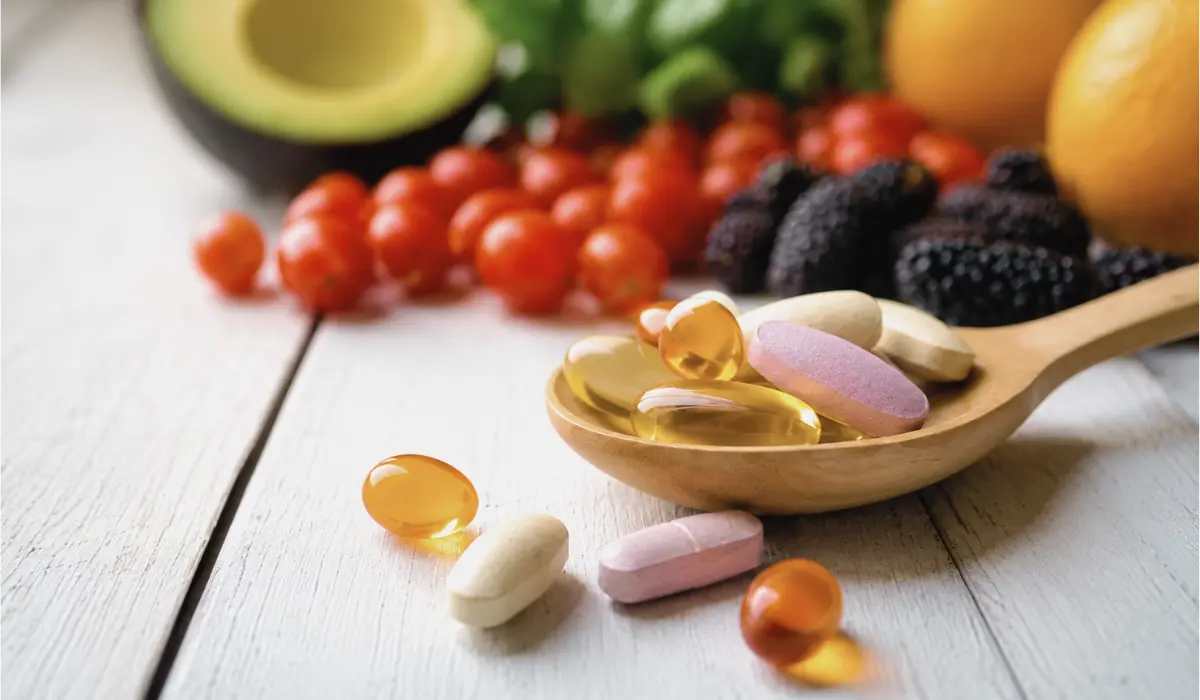
Antioxidant supplements come in a variety of forms. Vitamins like C and E, minerals such as selenium and zinc, and plant-based compounds like flavonoids and polyphenols are popular choices. Each type may offer unique benefits depending on your health goals.
For example, vitamin C supports immune function and skin health, while vitamin E may promote cardiovascular wellness. Plant-based antioxidants, like resveratrol or green tea extract, are often chosen for their potential anti-aging properties. Choosing the right supplement depends on your needs, diet, and lifestyle.
Potential Health Benefits
Research suggests antioxidant supplements may support overall health in several ways. They can help reduce oxidative damage, which may contribute to heart health, skin appearance, and cognitive function. Some studies indicate they may help manage inflammation or support recovery after exercise.
It is important to note that while supplements can be helpful, they are not a cure-all. Maintaining a balanced diet rich in fruits, vegetables, whole grains, and lean proteins is still essential for long-term health. Supplements work best as a complement to healthy habits.
How To Choose The Right Supplement?
Selecting the right antioxidant supplement involves understanding your personal health goals and consulting with a healthcare professional. Consider factors like dosage, product quality, and the form of the supplement-capsules, powders, or liquids.
Look for third-party testing or certifications to ensure the product is safe and accurately labeled. Avoid extremely high doses unless recommended by a qualified professional, as excessive intake of certain antioxidants may cause side effects or interfere with medications.
Integrating Supplements Into Your Routine
Consistency is key when taking antioxidant supplements. Following the recommended dosage and timing instructions on the product label can help maximize benefits. Some antioxidants are better absorbed with meals, while others may work best on an empty stomach.
Pairing supplements with a nutrient-rich diet and regular exercise can enhance their effectiveness. Keep in mind that supplements should not replace healthy lifestyle choices but rather complement them for overall wellness support.
Safety Considerations And Precautions
While antioxidant supplements are generally considered safe, overuse or interactions with medications can pose risks. Some antioxidants, when taken in high doses, may increase the risk of certain health issues. For instance, excessive vitamin E supplementation may affect blood clotting.
Always inform your healthcare provider before starting new supplements, especially if you are pregnant, nursing, or taking prescription medications. Monitoring for side effects and adjusting your regimen as needed helps ensure safe and effective use.
Conclusion
Antioxidant supplements can be a helpful addition for people who want extra support for daily wellness, immune health, skin health, and protection against oxidative stress. However, they work best when combined with a balanced diet rich in fruits, vegetables, whole grains, and healthy fats.
Before taking any antioxidant supplement, it is important to check the dosage, ingredient quality, and possible interactions with medications. A healthcare professional can help you choose the right option based on your age, health condition, and personal needs.
Frequently Asked Question
Antioxidants may support overall health, but they are not guaranteed to prevent chronic diseases. A balanced lifestyle remains the most effective approach.
Whole foods provide a mix of nutrients, fiber, and phytochemicals, making them an excellent source. Supplements are useful when dietary intake is insufficient.
Yes, but be cautious with dosages. Combining supplements without guidance may lead to excess intake and potential side effects.
Benefits vary depending on supplement type and individual health. Some may notice improvements in energy or skin within weeks.
Children should only take supplements under professional guidance, as dosages differ from adults and unnecessary supplementation may pose risks.
References
1. NCCIH: Antioxidant Supplements: What You Need To Know
https://www.nccih.nih.gov/health/antioxidant-supplements-what-you-need-to-know
2. NIH Office of Dietary Supplements: Dietary Supplement Fact Sheets
https://ods.od.nih.gov/factsheets/list-all/
3. Mayo Clinic: Add Antioxidants to Your Diet
https://www.mayoclinic.org/healthy-lifestyle/nutrition-and-healthy-eating/in-depth/add-antioxidants-to-your-diet/art-20546814
4. Harvard T.H. Chan School of Public Health: What Are Antioxidants?
https://www.health.harvard.edu/healthy-aging-and-longevity/understanding-antioxidants