Magnesium stearate is a common inactive ingredient in supplements, tablets, capsules, medicines, foods, and cosmetics. Manufacturers use it to help powders flow smoothly, reduce sticking, and keep tablets or capsules consistent during production.
Many people notice this ingredient on supplement labels and wonder if it is safe. In small amounts, magnesium stearate usually does not cause concern for most people. It does not work like a magnesium supplement, and brands do not add it for a direct health benefit.
What Is Magnesium Stearate?
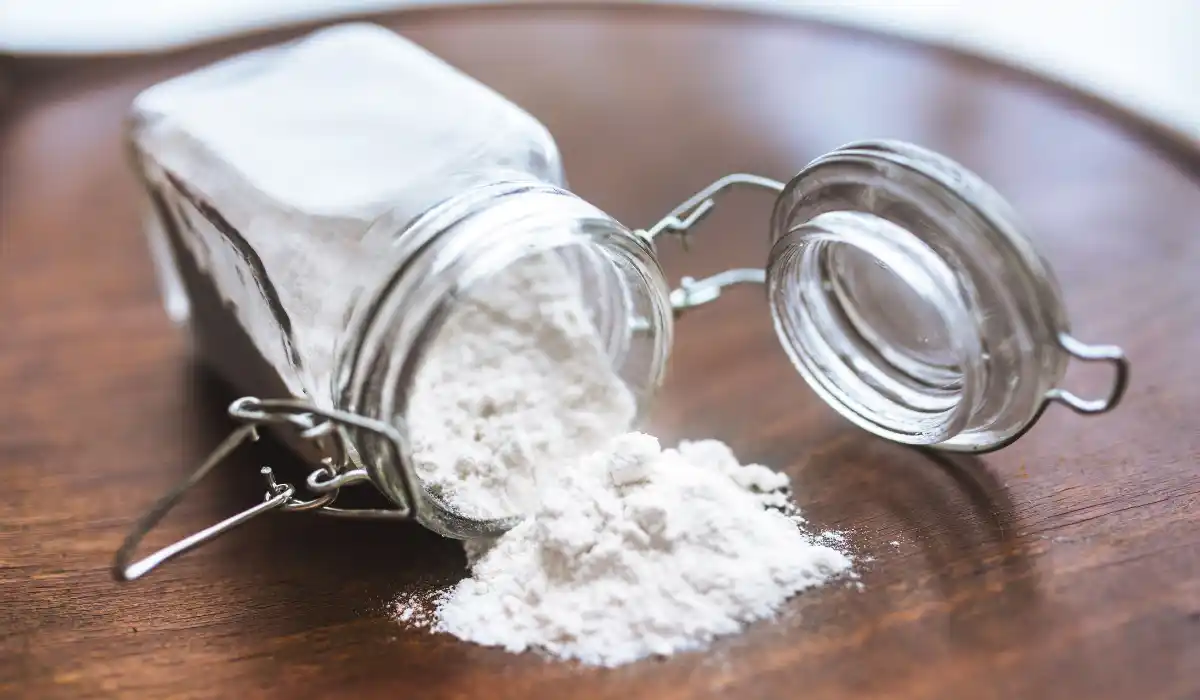
Magnesium stearate is a fine white powder made from magnesium and stearic acid. Stearic acid is a fatty acid found naturally in some plant and animal fats.
Supplement companies usually list it under “other ingredients.” Medicine labels may place it under “inactive ingredients” or “excipients.”
This ingredient does not work like magnesium citrate, magnesium glycinate, magnesium oxide, or magnesium malate. Those forms help support magnesium intake. Magnesium stearate mainly helps with manufacturing.
What Is Magnesium Stearate Used For?
Manufacturers mainly use it as a lubricant, flow agent, and anti-sticking ingredient.
During tablet or capsule production, powders need to move smoothly through machines. If ingredients clump or stick, companies may struggle to make consistent pills.
Magnesium stearate helps powders move more evenly. It also helps tablets release from machines without cracking or breaking. This makes the production process cleaner, smoother, and more reliable.
Why Supplement Brands Add It?
Supplement brands often combine vitamins, minerals, herbs, amino acids, and other powdered ingredients. These powders do not always flow well by themselves.
Magnesium stearate helps these powders move into capsules or tablet molds more easily. It can also reduce friction between the powder and the equipment.
This does not make the supplement stronger. It simply helps the brand produce capsules and tablets with better consistency.
Why Medicines May Contain It?
Medicine manufacturers also use magnesium stearate to support tablet and capsule production. It helps tablets hold their shape and move through production equipment.
This ingredient does not treat pain, infection, blood pressure, diabetes, or any other condition. The active drug ingredient does that job.
Magnesium stearate only helps the medicine keep its physical form. In that way, it works as a support ingredient, not a treatment ingredient.
Is Magnesium Stearate Safe?
For most healthy adults, the small amount in supplements, medicines, and foods generally appears safe.
A tablet or capsule usually contains only a tiny amount. That amount is not the same as taking a high-dose magnesium supplement.
Large amounts may cause digestive discomfort, loose stools, or a laxative effect in some people. However, typical supplement amounts are usually much lower than that.
Why Some People Worry About It?
Some people worry because magnesium stearate sounds like a chemical additive. Others see online claims that it blocks nutrients, harms immunity, or coats the intestines.
Most of these claims sound stronger than the evidence supports. In normal amounts, the ingredient mainly helps powders move through machines.
Still, product quality matters. A supplement should have clear dosing, reliable manufacturing, and proper testing. One inactive ingredient alone does not prove whether a product is good or bad.
Does Magnesium Stearate Block Absorption?
Some people ask whether magnesium stearate blocks supplement absorption. The answer needs balance.
In tablet manufacturing, too much lubricant or poor formulation can affect how fast a tablet breaks apart. If a tablet does not break apart well, ingredients may dissolve more slowly.
However, seeing magnesium stearate on a label does not automatically mean poor absorption. The full formula, tablet hardness, quality testing, and manufacturing process matter more than one inactive ingredient.
Is Magnesium Stearate Natural?
Magnesium stearate can come from plant or animal sources, depending on where the stearic acid comes from. Many supplement brands use vegetable-source magnesium stearate.
People who follow vegan, vegetarian, halal, kosher, or allergy-sensitive diets should check labels carefully. Some brands clearly write “vegetable magnesium stearate.”
When the label does not show the source, you can contact the company or ask a pharmacist.
Magnesium Stearate vs Stearic Acid
Magnesium stearate and stearic acid are related, but they are not the same ingredient.
Stearic acid is a fatty acid. Magnesium stearate is the magnesium salt of stearic acid.
Manufacturers may use both in product production. Magnesium stearate works especially well in tablets and capsules because it helps reduce sticking.
Magnesium Stearate vs Magnesium Citrate
Magnesium citrate is a magnesium supplement form. People may use it for magnesium intake or constipation support, depending on the product.
Magnesium stearate has a different purpose. Brands use it mainly as a flow agent and lubricant.
This difference matters because both names include “magnesium,” but they do not serve the same role in the body or in a product.
Is Magnesium Stearate a Filler?
Some people call magnesium stearate a filler, but that is not the most accurate description.
A filler usually adds bulk to a capsule or tablet. Magnesium stearate mainly helps powders flow and prevents sticking during manufacturing.
It does not provide a major health benefit, but it does have a practical role in production.
Possible Side Effects
Most people do not notice side effects from the small amount found in supplements or medicines.
In larger amounts, magnesium stearate may cause loose stools, diarrhea, or digestive irritation. Sensitive people may want to watch how they feel after starting a new product.
Stop using a new supplement or medicine and speak with a healthcare provider if you notice rash, swelling, breathing trouble, severe diarrhea, or strong stomach pain.
Who Should Be More Careful?
People with rare ingredient sensitivities should read supplement labels closely. Those with strict dietary rules may also want to confirm whether the ingredient comes from plant or animal sources.
People with kidney disease should use caution with high-dose magnesium supplements in general. However, the tiny amount of magnesium from magnesium stearate is not the same as a magnesium supplement dose.
If you take prescription medicine, do not stop it just because you see magnesium stearate on the label. Ask your doctor or pharmacist about alternatives if you have a real concern.
Should You Avoid Magnesium Stearate?
Most people do not need to avoid magnesium stearate. The amount in tablets and capsules usually stays very small.
Some people still choose magnesium stearate-free supplements because they prefer cleaner labels or fewer inactive ingredients. That is a personal choice.
A product without magnesium stearate is not automatically safer, stronger, or better absorbed. Look at the full formula, dose, testing, and brand quality before deciding.
How to Choose Better Supplements?
Do not judge a supplement by one inactive ingredient alone. Look for a clear supplement facts label, transparent dosage, third-party testing, and a reputable brand.
Avoid products that hide doses in proprietary blends or make exaggerated claims. Quality matters more than marketing words like “clean,” “pure,” or “natural.”
If you prefer fewer additives, choose a product labeled magnesium stearate-free. Just remember that the brand may use another flow agent or capsule ingredient instead.
Magnesium Stearate in Foods
Food companies may use magnesium stearate for technical reasons. It can help reduce clumping, improve powder flow, and support product consistency.
Companies do not add it to foods for nutrition. They add it to help the product process or perform better.
Food products usually contain small amounts when they include this ingredient.
Magnesium Stearate in Cosmetics
Cosmetic brands may add magnesium stearate to improve texture, smoothness, binding, and product feel.
You may see it in powders, makeup, and personal care products. In cosmetics, it helps product performance rather than magnesium nutrition.
People with sensitive skin can patch test new products before using them widely.
Common Myths About Magnesium Stearate
One myth says magnesium stearate is always harmful. Normal supplement amounts generally do not cause concern for most people.
Another myth says it always blocks absorption. Poor formulation can affect tablet breakdown, but this ingredient does not automatically make a supplement ineffective.
A third myth says it works like a magnesium supplement. It does not. It mainly helps with manufacturing.
When to Ask a Doctor or Pharmacist?
Ask a pharmacist if you want to know whether a medicine contains magnesium stearate. This can help if you have allergies, sensitivities, or dietary restrictions.
Talk to a healthcare provider if you develop unusual symptoms after starting a new supplement or medication.
Do not stop a prescribed medicine because of magnesium stearate unless your doctor gives you another safe option.
Final Thoughts
Magnesium stearate is a common inactive ingredient that helps powders flow, reduces sticking, and supports smooth tablet and capsule production.
For most people, the small amount found in supplements, medicines, and foods does not usually cause concern. It does not work as a magnesium supplement and does not provide meaningful magnesium nutrition.
If you prefer additive-free products, you can choose magnesium stearate-free supplements. For most users, seeing this ingredient on a label is not usually a reason to worry.
FAQs
Manufacturers use magnesium stearate in supplements, medicines, foods, and cosmetics to improve powder flow, reduce sticking, and support tablet or capsule production.
Yes. Most people tolerate the small amounts found in supplements and medicines. Sensitive people may choose products without this inactive ingredient.
Normal amounts usually do not bother most people. Large amounts may cause loose stools, diarrhea, or digestive irritation in sensitive individuals.
Poor formulation can affect tablet breakdown, but magnesium stearate does not automatically block nutrient absorption or make supplements ineffective.
No. It contains magnesium, but it does not work as a magnesium supplement. Manufacturers mainly use it as an inactive pill ingredient.
References
- WebMD – Magnesium Stearate: What It Is, Its Uses, and More
https://www.webmd.com/vitamins-and-supplements/what-is-magnesium-stearate - FDA Food Substance Inventory – Magnesium Stearate
https://hfpappexternal.fda.gov/scripts/fdcc/index.cfm?id=MAGNESIUMSTEARATE&set=FoodSubstances - PubChem – Magnesium Stearate
https://pubchem.ncbi.nlm.nih.gov/compound/11177