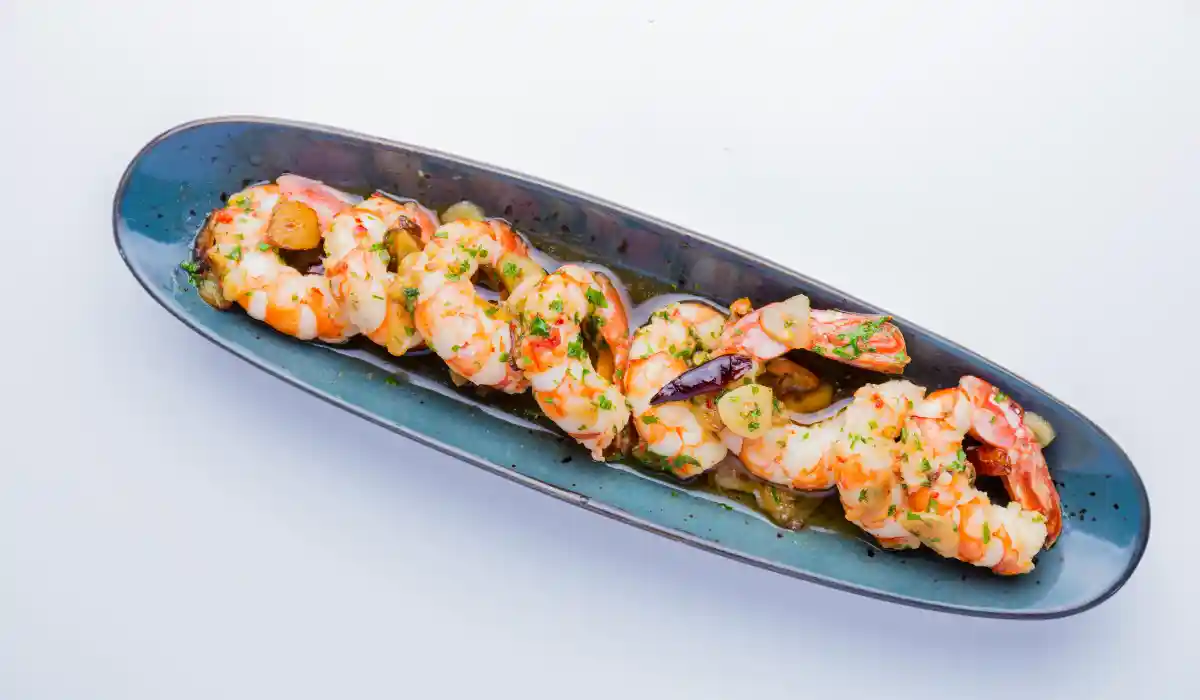
Yes, shrimp is relatively high in dietary cholesterol, providing around 160–180 mg in a 3-ounce cooked serving. However, it contains little saturated fat.
For many people, moderate portions can fit into a heart-healthy diet. Portion size, preparation method, overall diet, and personal cardiovascular risk are important considerations.
Is Shrimp High in Cholesterol?
Shrimp is considered high in dietary cholesterol compared with foods such as beans, skinless poultry, and many types of fish. A typical 3-ounce serving of cooked shrimp provides approximately 160–180 mg of cholesterol.
That amount may appear concerning, but cholesterol content does not tell the whole nutritional story. Shrimp is also a lean source of protein with little saturated fat, which distinguishes it from many fatty and processed meats.
| Nutritional feature | Approximate amount per 3-ounce serving |
| Calories | 85–105 |
| Protein | 17–20 g |
| Total fat | 1–2 g |
| Saturated fat | Less than 0.5 g |
| Dietary cholesterol | Around 160–180 mg |
| Carbohydrates | Less than 2 g |
Values can vary according to the shrimp species, product, serving size, added ingredients, and cooking method.
Dietary Cholesterol vs. Blood Cholesterol
Dietary cholesterol is the cholesterol contained in foods. Blood cholesterol refers to cholesterol carried through the bloodstream in particles such as LDL and HDL.
The liver produces the cholesterol the body needs. When dietary cholesterol intake changes, the body may adjust how much it produces or absorbs, although this response varies between individuals.
For many people, saturated fat has a stronger effect on LDL cholesterol than dietary cholesterol. Shrimp is unusual because it contains considerable dietary cholesterol but very little saturated fat.
Some people respond more strongly to dietary cholesterol. Genetics, diabetes, existing cardiovascular disease, familial hypercholesterolemia, and the overall diet may influence this response.
Does Shrimp Raise Blood Cholesterol?
Shrimp may modestly affect blood cholesterol, but its effect differs among individuals. An older controlled study found that a high-shrimp diet increased both LDL and HDL cholesterol while improving the ratio between total and HDL cholesterol compared with an egg-based diet.
This does not mean that unlimited shrimp consumption is advisable. The study involved people with normal blood lipid levels, and its findings may not apply equally to those with very high LDL cholesterol or established cardiovascular disease.
How shrimp fits into the complete diet matters. Replacing fatty or processed meat with grilled shrimp is different from eating breaded shrimp fried in oil and served with butter, creamy sauce, or salty sides.
Why Can Cholesterol Levels Become High?
Eating shrimp occasionally is unlikely to be the sole reason someone develops high cholesterol. Unhealthy blood lipid levels usually result from several lifestyle, genetic, and medical factors.
A diet high in saturated and trans fats can raise LDL cholesterol. Common sources include fatty meat, processed meat, butter, full-fat dairy products, fried food, pastries, and some highly processed foods.
Limited physical activity, smoking, excess body weight, aging, and frequent intake of refined carbohydrates may also contribute. Medical conditions such as diabetes, hypothyroidism, chronic kidney disease, and liver disease can affect cholesterol levels.
Inherited conditions are another important cause. Familial hypercholesterolemia can produce very high LDL cholesterol even in people who follow a generally healthy diet.
Does High Cholesterol Cause Symptoms?
High cholesterol usually does not cause noticeable symptoms. You cannot reliably determine your cholesterol level by how you feel, and symptoms such as tiredness, headaches, or dizziness have many possible causes.
Most people discover high cholesterol through a lipid panel. In rare cases, inherited disorders may cause fatty deposits around the eyes, skin, or tendons, particularly when cholesterol has been severely elevated from an early age.
Chest pain, shortness of breath, facial drooping, one-sided weakness, or difficulty speaking may indicate complications such as a heart attack or stroke. These symptoms require emergency medical care.
How Is High Cholesterol Diagnosed?
A lipid panel is the main blood test used to evaluate cholesterol. It usually reports total cholesterol, LDL cholesterol, HDL cholesterol, triglycerides, and sometimes non-HDL cholesterol.
A healthcare provider interprets these numbers alongside age, blood pressure, smoking history, diabetes, kidney health, family history, and previous cardiovascular problems.
One abnormal result does not automatically mean shrimp must be removed from the diet. A clinician or registered dietitian can assess the complete eating pattern and identify more significant sources of saturated fat.
Can You Eat Shrimp With High Cholesterol?
Many people with high cholesterol can eat shrimp occasionally as part of a balanced diet. A reasonable serving is generally about 3–4 ounces of cooked shrimp, roughly the size of the palm of an adult hand.
How often shrimp is suitable depends on LDL cholesterol, triglycerides, cardiovascular history, medications, and the other foods regularly consumed. People with very high LDL cholesterol or familial hypercholesterolemia may receive more restrictive advice.
Shrimp should not replace oily fish every time seafood is eaten. Salmon, sardines, trout, and herring generally provide more omega-3 fatty acids, which can support cardiovascular health.
Healthiest Ways to Prepare Shrimp
Steaming, boiling, grilling, poaching, baking, and air-frying without heavy breading are heart-friendlier cooking methods. These approaches preserve shrimp’s lean-protein advantage without adding large amounts of saturated fat.
Season shrimp with garlic, herbs, pepper, paprika, lemon juice, or a modest amount of olive oil. Pair it with vegetables, beans, brown rice, quinoa, or a whole-grain salad.
Frying, breading, or cooking shrimp in large amounts of butter can substantially change the nutritional profile. The American Heart Association identifies non-fried shellfish as a low-saturated-fat alternative to many meat choices.
Better and Less Helpful Shrimp Meals
| Better choices | Choices to limit |
| Grilled shrimp with vegetables | Deep-fried breaded shrimp |
| Shrimp and bean salad | Shrimp cooked in butter |
| Steamed shrimp with brown rice | Creamy shrimp pasta |
| Baked shrimp with herbs | Shrimp with heavy cheese sauce |
| Shrimp tacos with fresh salsa | Shrimp with salty processed sauces |
Sodium in Shrimp
Plain shrimp can contain natural sodium, while frozen, pre-cooked, seasoned, or restaurant shrimp may contain much more. Some products are treated with salt-based solutions to retain moisture.
Check the Nutrition Facts label and ingredient list when buying packaged shrimp. Compare products and choose options with less sodium, especially if you have hypertension, heart failure, or kidney disease.
Rinsing may remove some surface sodium, but it will not eliminate sodium added during processing. Preparing unseasoned shrimp at home provides greater control.
Treatment When Cholesterol Is High
Treatment depends on overall cardiovascular risk rather than one food. Heart-healthy eating, regular physical activity, weight management where appropriate, adequate sleep, and avoiding tobacco are common parts of treatment.
A healthcare provider may prescribe a statin or another cholesterol-lowering medicine when lifestyle changes are insufficient or cardiovascular risk is elevated. Medication should be taken as directed and should not be stopped because of dietary changes alone.
Dietary treatment usually focuses on replacing saturated fat with unsaturated fat, increasing soluble fibre, and eating more vegetables, fruit, legumes, whole grains, nuts, seeds, and appropriately prepared seafood.
Long-Term Outlook
Eating shrimp in moderate portions is unlikely to harm cholesterol control for most healthy people when the overall diet is low in saturated fat. Regular lipid testing can show how an individual responds to dietary and medical treatment.
Someone with elevated LDL cholesterol may not need to avoid shrimp completely. Greater benefit may come from reducing processed meat, fatty red meat, butter, fried foods, and other major saturated-fat sources.
Long-term cardiovascular health depends on the complete dietary pattern, physical activity, blood pressure, blood sugar, tobacco exposure, genetics, and adherence to prescribed treatment.
Possible Risks of Eating Shrimp
The main risks associated with shrimp are not limited to cholesterol. Crustacean shellfish is a major food allergen, and reactions can range from mild itching or hives to life-threatening anaphylaxis.
Raw or undercooked shrimp may also carry microorganisms that cause foodborne illness. Cook shrimp thoroughly and follow appropriate refrigeration, storage, and cross-contamination precautions.
Breaded restaurant shrimp may contain high levels of sodium, saturated fat, and calories. People with kidney disease or heart failure may need to pay particular attention to sodium and portion size.
When to See a Doctor?
Arrange a medical appointment if a lipid panel shows elevated LDL, non-HDL cholesterol, or triglycerides. Professional guidance is especially important if you have diabetes, kidney disease, hypertension, familial hypercholesterolemia, or previous heart disease or stroke.
Consult an allergist if shrimp causes hives, itching, swelling, wheezing, vomiting, or repeated digestive symptoms. Do not deliberately test a suspected shellfish allergy at home.
Call emergency services immediately if eating shrimp causes difficulty breathing, throat or facial swelling, fainting, severe dizziness, or rapidly worsening symptoms. These may indicate anaphylaxis.
Practical Tips for Eating Shrimp
Keep cooked portions moderate and avoid turning shrimp into a high-saturated-fat meal. Choose grilled, baked, boiled, or steamed shrimp instead of fried versions.
Use vegetables and whole grains to make shrimp a component of the meal rather than the entire meal. Rotate shrimp with oily fish, beans, lentils, tofu, and other lean protein sources.
Read frozen-shrimp labels for sodium, phosphate additives, breading, and added sauces. If you monitor cholesterol at home through dietary changes, continue scheduled lipid tests rather than relying on symptoms.
Questions to Ask Your Doctor?
Ask whether your LDL and non-HDL cholesterol targets should be lower because of your personal risk factors. You may also ask how often your lipid panel should be repeated and whether you need medication.
Discuss how much dietary cholesterol is appropriate for you, whether shrimp can remain in your diet, and whether a referral to a registered dietitian would be helpful.
People with very high cholesterol may also ask whether genetic testing, apolipoprotein B, lipoprotein(a), or other cardiovascular assessments are appropriate.
Conclusion
Shrimp is high in dietary cholesterol, but it is low in saturated fat and can fit into a heart-healthy diet for many people. A moderate portion prepared without frying, butter, or creamy sauces is generally a better choice than fatty or processed meat.
People with very high LDL cholesterol, familial hypercholesterolemia, cardiovascular disease, or other medical conditions should request individualized advice. Your complete eating pattern matters more than any single food.
FAQS
Not necessarily. Shrimp contains considerable dietary cholesterol but little saturated fat. Moderate portions may fit into a heart-healthy diet, depending on personal cardiovascular risk.
A 3-ounce serving of cooked shrimp commonly contains around 160–180 mg of cholesterol. The exact amount varies by species, product, and preparation method.
There is no universal serving schedule. A moderate 3–4-ounce portion may be suitable, but people with significant cardiovascular risk should seek individualized dietary advice.
Plain, non-fried shrimp is generally lower in saturated fat than many red and processed meats. Its dietary cholesterol content, however, is relatively high.
Frying and breading can add saturated fat, calories, and sodium. These additions may make fried shrimp less suitable for a cholesterol-lowering diet.
Salmon, sardines, trout, and herring provide protein and more omega-3 fatty acids. Non-fried shrimp can also be included as part of a varied diet.
Shrimp does not contain blood triglycerides. It is low in total fat, but a person’s triglyceride level depends on overall diet, metabolism, alcohol intake, and health.
It can be, but sodium deserves attention. Choose plain shrimp instead of heavily salted, processed, sauced, or restaurant-prepared options.
It can be, but sodium deserves attention. Choose plain shrimp instead of heavily salted, processed, sauced, or restaurant-prepared options.
Yes. Shrimp is a common shellfish allergen. Breathing difficulty, throat swelling, fainting, or rapidly worsening symptoms require immediate emergency care.