High cholesterol does not usually cause high blood pressure directly. However, excess LDL cholesterol can contribute to plaque buildup that narrows and stiffens the arteries, potentially making it harder for blood to flow normally.
The two conditions also share several risk factors and often occur together. When both are present, the risk of heart attack, stroke, and other cardiovascular problems becomes more concerning.
Cholesterol and Blood Pressure
Cholesterol is a waxy substance that the body needs to build cells and produce certain hormones. It travels through the bloodstream in particles called lipoproteins.
Low-density lipoprotein, or LDL, is commonly called “bad” cholesterol because high levels can promote plaque formation in the arteries. High-density lipoprotein, or HDL, helps transport cholesterol back to the liver for removal.
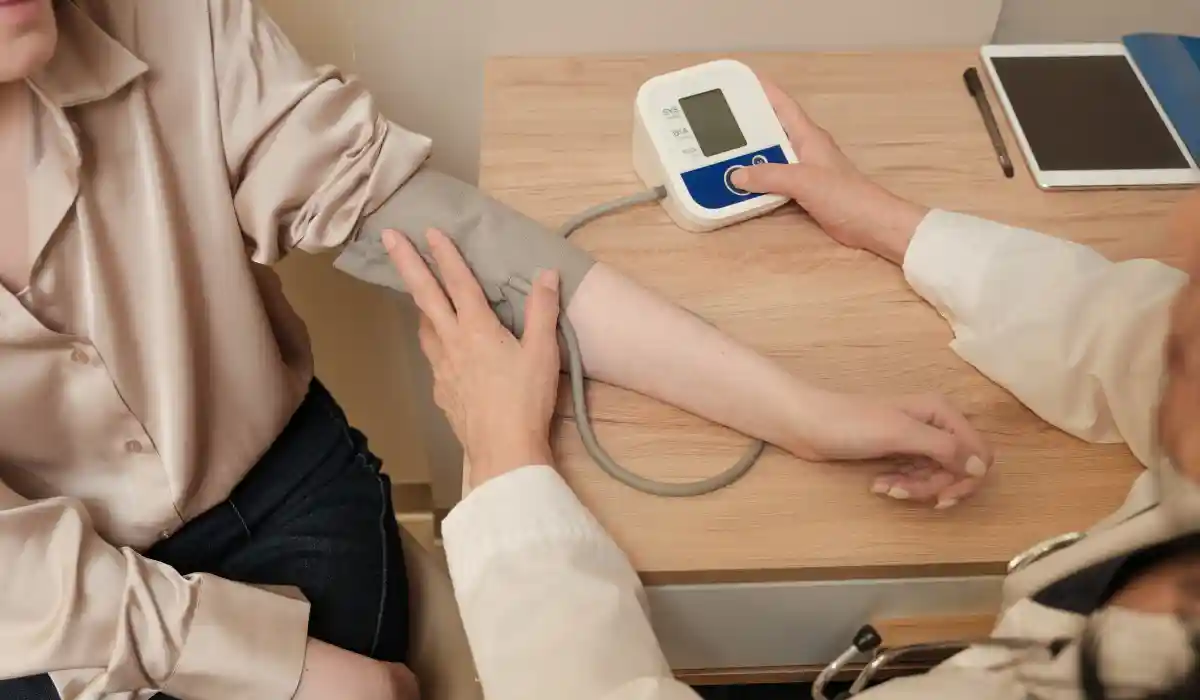
Blood pressure measures how strongly blood pushes against artery walls. The systolic number represents pressure when the heart contracts, while the diastolic number shows pressure between heartbeats.
Cholesterol is measured through a blood test. Blood pressure is measured with a cuff, so one result cannot be used to determine the other.
Does High Cholesterol Cause High Blood Pressure?
High cholesterol and high blood pressure are separate medical conditions. A person can have one without having the other, and elevated cholesterol does not automatically mean that blood pressure will rise.
Nevertheless, high LDL cholesterol can contribute to atherosclerosis. This occurs when cholesterol and other substances collect inside artery walls and form plaque. As plaque develops, the arteries may become narrower and less flexible.
Stiff or narrowed arteries may increase resistance to blood flow. The heart may then need to pump with greater force to move blood throughout the body, which may contribute to higher blood pressure in some people.
The relationship can also work in the opposite direction. Persistent high blood pressure can damage artery walls, making it easier for cholesterol-containing plaque to develop. Therefore, cholesterol problems and hypertension may reinforce the same damaging cardiovascular process.
How Plaque Buildup Affects the Arteries?
Healthy arteries are flexible and expand as the heart pumps blood. Atherosclerosis can gradually alter their structure as plaque builds up inside the artery walls. This buildup narrows the space available for blood to flow and makes the arteries thicker and less flexible. Over time, it may reduce the blood supply to the heart and other organs, increase the likelihood of blood clots, and raise the risk of a heart attack or stroke.
High LDL cholesterol is an important contributor to plaque buildup. However, atherosclerosis is complex and can also be influenced by smoking, diabetes, inflammation, age, genetics, obesity, and high blood pressure.
Why These Conditions Often Occur Together?
High cholesterol and hypertension frequently appear together because they share many underlying risk factors. Their coexistence does not always mean that one directly caused the other.
High cholesterol and high blood pressure share several common risk factors. These include diets high in saturated fat, sodium, or heavily processed foods, limited physical activity, excess body weight, and smoking. Type 2 diabetes, insulin resistance, chronic kidney disease, older age, family history, and certain inherited conditions may also increase the likelihood of developing both problems.
For example, a person who regularly eats foods high in saturated fat and sodium may develop both elevated LDL cholesterol and high blood pressure. Saturated fat may raise LDL cholesterol, while excessive sodium can increase blood pressure in sodium-sensitive people.
High Cholesterol vs. High Blood Pressure
| Feature | High cholesterol | High blood pressure |
| What it means | Unhealthy levels of cholesterol or triglycerides in the blood | Blood pushes against artery walls with excessive force |
| How it is detected | Lipid panel blood test | Blood pressure measurement |
| Common symptoms | Usually no symptoms | Usually no symptoms |
| Major concern | Plaque formation and blocked arteries | Damage to arteries, heart, kidneys, brain, and eyes |
| Common treatments | Diet, exercise, weight management, and medication | Diet, exercise, sodium reduction, weight management, and medication |
| Long-term risks | Heart attack, stroke, and peripheral artery disease | Heart attack, stroke, heart failure, and kidney disease |
Both are sometimes called “silent” conditions because they can progress without noticeable warning signs. Routine testing is the most reliable way to identify them.
What Blood Pressure Numbers Mean?
According to current American Heart Association categories, blood pressure readings are generally classified as follows:
| Category | Systolic pressure | Diastolic pressure |
| Normal | Below 120 | Below 80 |
| Elevated | 120–129 | Below 80 |
| Stage 1 hypertension | 130–139 | 80–89 |
| Stage 2 hypertension | 140 or higher | 90 or higher |
| Severe hypertension | Higher than 180 | And/or higher than 120 |
A single unusual reading does not always confirm hypertension. Stress, caffeine, exercise, pain, medication, and an incorrectly sized cuff can temporarily affect the result.
Healthcare professionals generally consider repeated readings, home measurements, medical history, and other cardiovascular risks before recommending treatment.
Symptoms You Should Not Ignore
High cholesterol normally produces no obvious symptoms. Most people discover it after having a lipid panel.
High blood pressure is also frequently symptomless, even when readings are significantly elevated. Headaches, dizziness, fatigue, or nosebleeds can have many causes and should not be used to diagnose hypertension.
Common shared risk factors include diets high in saturated fat, sodium, or heavily processed foods. Limited physical activity, excess body weight, and smoking can also increase the chances of developing both high cholesterol and high blood pressure. Other factors, such as type 2 diabetes, insulin resistance, chronic kidney disease, older age, family history, and inherited conditions, may further raise the risk.
Repeat the measurement after at least one minute, but do not delay emergency care when a severely elevated reading occurs with concerning symptoms.
Risks of Having Both Conditions
High cholesterol and hypertension are independent cardiovascular risk factors. Having both may place more strain on the arteries than having either condition alone.
High blood pressure can damage the inner lining of blood vessels. At the same time, excess LDL cholesterol can become involved in plaque formation within the damaged areas. This combination can accelerate artery narrowing and increase the likelihood of cardiovascular complications.
Possible long-term complications include coronary artery disease, heart attack, ischemic stroke, peripheral artery disease, chronic kidney disease, vision problems, and heart failure. The risk may increase when high cholesterol and high blood pressure remain uncontrolled for a long time.
The overall risk depends on more than two test results. Age, diabetes, smoking, kidney health, family history, and previous cardiovascular events also matter.
How to Lower Cholesterol and Blood Pressure?
Many of the same habits can support healthier cholesterol and blood pressure levels. A healthcare professional can help create a plan based on your results and overall risk.
Follow a heart-healthy eating pattern
Eat more vegetables, fruits, whole grains, beans, nuts, seeds, fish, and other minimally processed foods. Soluble fibre from foods such as oats, beans, apples, and barley may help reduce LDL cholesterol.
Limit saturated fat from fatty meats, butter, full-fat dairy products, and certain highly processed foods. Reducing excess sodium may also help lower blood pressure.
Exercise regularly
Regular physical activity can support weight management, improve circulation, raise HDL cholesterol, and help lower blood pressure.
Many adults can work toward at least 150 minutes of moderate aerobic activity each week, but individual needs vary. People with medical conditions should ask their healthcare professional which activities are appropriate.
Maintain a suitable weight
Losing even a modest amount of excess weight may improve blood pressure, cholesterol, blood sugar, and overall cardiovascular risk.
A sustainable plan is generally more helpful than a highly restrictive diet. Focus on gradual dietary changes, regular movement, sleep, and realistic goals.
Avoid smoking
Smoking damages blood vessels and promotes atherosclerosis. It can also cause temporary increases in blood pressure and heart rate.
Stopping smoking benefits the heart and arteries regardless of how long a person has smoked. A clinician or pharmacist can recommend counselling, medication, or nicotine-replacement options.
Take prescribed medication correctly
Lifestyle changes may not be sufficient for everyone. Statins and other cholesterol-lowering medicines may be recommended based on LDL levels, medical history, and estimated cardiovascular risk.
Blood pressure medicines may also be needed. Do not stop or change prescribed medication because a home reading improves unless the prescribing professional advises you to do so.
When to See a Healthcare Professional?
Arrange a medical evaluation if repeated home readings are elevated or if a screening test shows unhealthy cholesterol levels. Both conditions are more manageable when identified before complications occur.
You may require closer monitoring if you have:
- Diabetes
- Kidney disease
- Obesity
- A history of smoking
- A family history of early heart disease
- Familial hypercholesterolemia
- Previous heart attack or stroke
- Persistently elevated home blood pressure
A healthcare professional may review your blood pressure, order a lipid panel, check blood sugar and kidney function, and estimate your overall cardiovascular risk.
Conclusion
Not directly in most cases, but elevated LDL cholesterol can promote plaque buildup that narrows and stiffens the arteries. These changes may contribute to increased resistance to blood flow.
High cholesterol and hypertension also share common causes and can damage the cardiovascular system together. Regular testing, heart-healthy habits, and appropriate medical treatment can help manage both conditions and reduce future risk.
FAQs
Lowering cholesterol protects the arteries and reduces cardiovascular risk, but it may not directly lower blood pressure. Both conditions may require separate monitoring and treatment.
High cholesterol usually causes no symptoms. Dizziness may have many causes, including medication effects, dehydration, inner-ear conditions, low blood sugar, or blood pressure changes.
Yes. Cholesterol and blood pressure measure different aspects of cardiovascular health. Normal blood pressure does not rule out high LDL cholesterol or plaque buildup.
Both can be dangerous when uncontrolled. The individual risk depends on the severity, duration, age, medical history, smoking status, diabetes, and other cardiovascular factors.
The appropriate schedule depends on age and personal risk. People with abnormal results, diabetes, heart disease, kidney disease, or prescribed medication may need more frequent testing.