
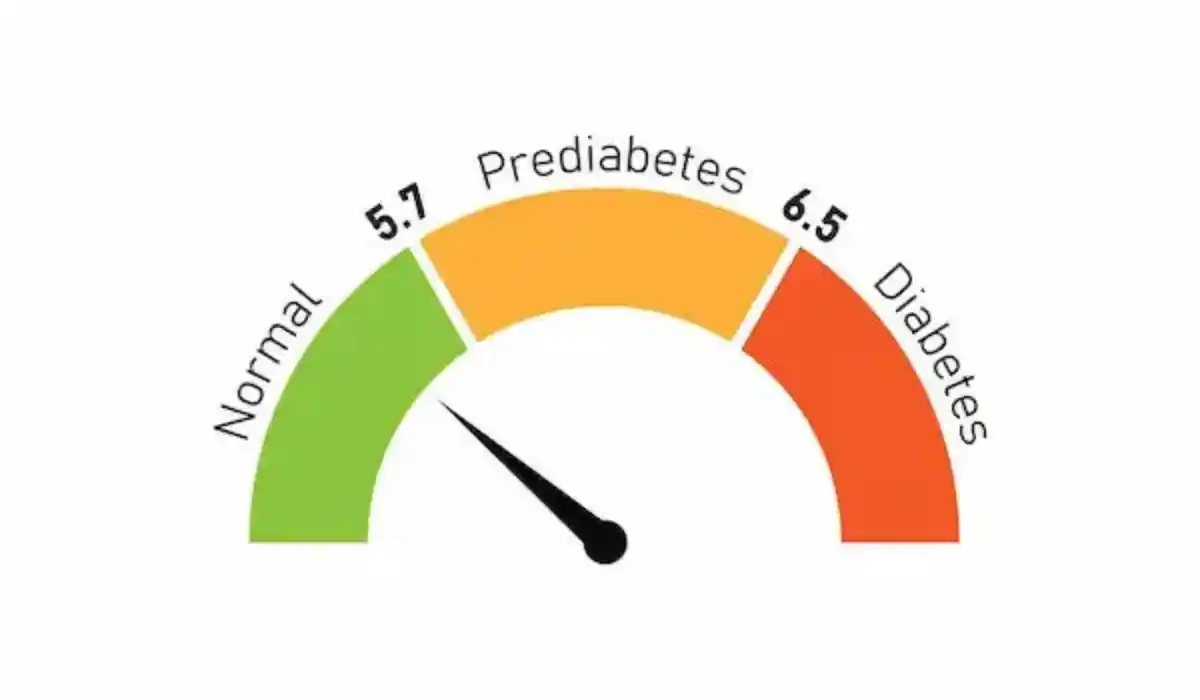
The normal HbA1c range is below 5.7% for most people without diabetes. A result from 5.7% to 6.4% suggests prediabetes, while 6.5% or higher falls within the diabetes range.
However, one result does not always confirm a diagnosis. Your healthcare provider may repeat the test or use another blood sugar test before making a final diagnosis.
What Is HbA1c?
HbA1c, also called A1C, glycated hemoglobin or hemoglobin A1C, measures the percentage of hemoglobin coated with glucose. Hemoglobin is the protein in red blood cells that carries oxygen.
Glucose gradually attaches to hemoglobin as blood circulates. Because red blood cells generally remain in the body for several months, the test provides a longer-term picture than a single glucose reading.
Recent blood sugar levels may influence the result more strongly than levels from several months earlier. However, the test cannot show individual highs, lows or daily fluctuations.
Understanding the HbA1c Normal Range
Below 5.7%: Normal
An HbA1c result below 5.7% generally falls within the normal range. It suggests that average blood sugar has remained below the levels used to diagnose prediabetes.
A normal result does not guarantee that diabetes will never develop. Family history, body weight, physical activity, pregnancy history and certain medical conditions can still affect future risk.
Between 5.7% and 6.4%: Prediabetes
A result from 5.7% to 6.4% indicates prediabetes. Blood sugar is higher than normal but has not reached the diagnostic threshold for diabetes.
Prediabetes increases the likelihood of developing type 2 diabetes. Fortunately, regular exercise, balanced meals and modest weight loss when appropriate may reduce that risk.
6.5% or Higher: Diabetes Range
An HbA1c of 6.5% or higher falls within the diabetes range. Unless clear symptoms and very high glucose are present, healthcare professionals usually confirm the diagnosis with a second test.
The second test may be another HbA1c, fasting plasma glucose test or oral glucose tolerance test. Test results can occasionally disagree, so a clinician should interpret them together.
HbA1c and Estimated Average Glucose
Estimated average glucose, or eAG, converts an A1C result into the same mg/dL unit commonly used by glucose meters.
| HbA1c | Estimated average glucose |
| 6% | 126 mg/dL |
| 7% | 154 mg/dL |
| 8% | 183 mg/dL |
| 9% | 212 mg/dL |
| 10% | 240 mg/dL |
These numbers are estimates rather than exact daily averages. Two people with the same A1C can experience different patterns of glucose highs and lows.
What Is a Healthy A1C Goal for Diabetes?
Many nonpregnant adults with diabetes have a general goal below 7%. However, healthcare providers should personalize this target rather than apply the same number to everyone.
A clinician may recommend a tighter or less strict HbA1c target based on your age, general health, type and duration of diabetes, pregnancy status, hypoglycemia risk, heart or kidney disease, current medications, ability to monitor glucose safely, and personal treatment needs and preferences.
Older adults with complex health conditions may need a less aggressive target. Meanwhile, pregnancy usually requires closer glucose management under specialist supervision.
Does the Normal Range Change With Age?
The diagnostic HbA1c ranges generally remain the same for adults. In other words, results below 5.7%, from 5.7% to 6.4%, and at or above 6.5% retain their standard meanings.
However, an appropriate treatment goal for someone who already has diabetes can change with age. Doctors may adjust the target to balance glucose control against medication burden and low blood sugar risk.
What Can Cause a High HbA1c?
A high result usually means that blood sugar has remained elevated over time. Common contributing factors include insulin resistance, prediabetes, type 1 diabetes and type 2 diabetes.
Other factors that may raise HbA1c include frequently eating refined carbohydrates, limited physical activity, missed or incorrectly taken diabetes medication, illness, infection, ongoing stress, steroid use, weight changes, poor sleep, and diabetes progression.
Never change insulin or another prescribed medicine based only on one result. A healthcare professional should review the result alongside home readings, symptoms and current treatment.
Symptoms Associated With High HbA1c
The HbA1c number itself does not cause symptoms. Instead, symptoms may develop when the underlying blood glucose level remains high.
Possible symptoms include increased thirst, frequent urination, blurred vision, fatigue, slow-healing wounds and repeated infections. Some people may also experience unexplained weight loss or tingling in their hands and feet.
Prediabetes and early type 2 diabetes often cause no obvious symptoms. Therefore, screening can identify abnormal blood sugar before noticeable problems develop.
How Doctors Test and Diagnose Abnormal Results?
A laboratory or point-of-care test can measure HbA1c using a blood sample. You can usually eat and drink normally before the test because fasting is not required.
If your result falls within the diabetes range, your doctor may repeat the HbA1c test on another day. They may also order fasting or random blood glucose, an oral glucose tolerance test, cholesterol testing, kidney function tests, and a urine albumin test.
These tests help confirm the diagnosis and assess related cardiovascular or kidney risks.
Factors That Can Affect A1C Accuracy
HbA1c is useful, but it is not perfect. Conditions that change the lifespan or structure of red blood cells may produce a result that does not match actual glucose levels.
Factors that may affect HbA1c accuracy include iron-deficiency or severe anemia, recent bleeding or blood transfusions, sickle cell disease or other hemoglobin variants, kidney or liver disease, pregnancy, certain medications, and recent surgery or major illness.
Some conditions can make HbA1c appear falsely high, while others can make it appear falsely low. Tell your provider if your A1C differs greatly from your glucose meter or continuous glucose monitor readings.
How to Maintain or Improve Your A1C?
The right approach depends on whether you have normal glucose, prediabetes or diabetes. Still, several habits can support healthier blood sugar.
Build Balanced Meals
Combine high-fibre carbohydrates with protein and healthy fats. Vegetables, beans, whole grains, fish, lean meat, nuts and unsweetened dairy products may help create more balanced meals.
In addition, reduce sugary drinks and highly refined foods. Portion size also matters because large carbohydrate servings can raise glucose even when the food seems healthy.
Stay Physically Active
Regular movement helps muscles use glucose more effectively. Many adults benefit from aerobic activity combined with strength training, although the appropriate amount depends on their health and mobility.
Starting with short walks after meals can feel more manageable. Speak with a healthcare professional before beginning intense exercise if you have heart disease, nerve damage or other complications.
Take Medication as Prescribed
Diabetes medicines work best when taken consistently. If cost, side effects or a complicated schedule causes missed doses, discuss the problem with your doctor or pharmacist.
Do not double doses or stop treatment without professional guidance. Instead, ask whether a different medication or simpler schedule could help.
Monitor Patterns
Home glucose testing or continuous glucose monitoring may reveal patterns that A1C cannot show. Record meals, activity, medicines and unusual readings to help your care team identify possible causes.
Additionally, attend follow-up appointments. People meeting their treatment goals may need A1C testing about twice yearly, while those changing treatment often need testing more frequently.
Risks of Persistently High HbA1c
High blood sugar can gradually damage blood vessels and nerves. Over time, poor glucose control may increase the risk of:
- Heart disease and stroke
- Kidney disease
- Diabetic eye disease
- Nerve damage
- Foot ulcers
- Serious infections
- Dental and gum problems
Risk does not depend on A1C alone. Blood pressure, cholesterol, smoking, kidney health and family history also influence the likelihood of complications.
When to See a Healthcare Professional?
Arrange a medical appointment if your HbA1c is 5.7% or higher, especially if you have not previously received a prediabetes or diabetes diagnosis.
You should also seek advice if your result changes unexpectedly, does not match your home readings or remains above your personal target despite following treatment.
Seek urgent medical help for severe vomiting, abdominal pain, rapid breathing, confusion, extreme weakness or fruity-smelling breath. These symptoms may indicate a dangerous blood sugar emergency.
Questions to Ask Your Doctor
Consider asking:
- What does my HbA1c result mean for me?
- Do I need another test to confirm the result?
- What should my personal A1C target be?
- Could a medical condition affect my test accuracy?
- How often should I repeat the test?
- Should I change my meals, activity or medication?
Conclusion
The HbA1c normal range is below 5.7%, while 5.7% to 6.4% indicates prediabetes and 6.5% or higher falls within the diabetes range. However, your doctor should interpret the result alongside symptoms, medical history and other glucose tests.
If you already have diabetes, your ideal target may differ from the diagnostic ranges. Regular monitoring and a personalized care plan can help you manage blood sugar more safely.
FAQS
Yes. An HbA1c of 5.6% falls below the 5.7% threshold used for prediabetes. However, individual risk factors still matter.
No. An HbA1c of 6.0% falls within the prediabetes range. It does not meet the diagnostic threshold of 6.5% for diabetes.
No. You can normally eat and drink before an A1C test because it measures average blood sugar rather than a single fasting level.
Yes. Because A1C reflects approximately two to three months, improvements in glucose management may become visible at the next test.
No single number defines an emergency by itself. However, a very high result requires prompt medical assessment, especially when accompanied by vomiting, confusion or breathing changes.