
Learning how to lower hemoglobin A1C starts with improving daily blood sugar patterns through balanced meals, regular activity, correct medication use, and consistent monitoring. A1C usually changes gradually because it reflects average blood glucose over approximately three months.
There is no safe overnight solution. The most effective approach depends on whether you have prediabetes, type 1 diabetes, type 2 diabetes, pregnancy, or another condition affecting glucose.
What Is Hemoglobin A1C?
Hemoglobin A1C, also called HbA1c or glycated hemoglobin, is a blood test that estimates average glucose levels over the previous two to three months.
Glucose attaches to hemoglobin inside red blood cells. When blood sugar remains elevated, a larger percentage of hemoglobin becomes coated with glucose, resulting in a higher A1C.
| A1C result | General diagnostic interpretation |
| Below 5.7% | Normal range |
| 5.7%–6.4% | Prediabetes range |
| 6.5% or higher | Diabetes range |
| Below 7% | Common goal for many adults with diabetes |
An A1C of 6.5% or higher usually requires confirmation with another abnormal test unless clear symptoms and severe hyperglycemia are present.
Why Does Hemoglobin A1C Become High?
A1C rises when blood glucose remains above the target range frequently or for long periods. Both fasting glucose and post-meal spikes can affect the result.
Insulin resistance
Insulin resistance occurs when muscle, fat, and liver cells do not respond effectively to insulin. Glucose then remains in the bloodstream instead of moving efficiently into the cells.
It is common in prediabetes and type 2 diabetes and may be associated with genetics, excess abdominal weight, limited activity, poor sleep, and certain health conditions.
Insufficient insulin
People with type 1 diabetes produce little or no insulin. Type 2 diabetes may also progress until the pancreas cannot produce enough insulin to meet the body’s needs.
Missed insulin, incorrect doses, delivery problems, or spoiled insulin can cause persistent high glucose.
Food and portion patterns
Large portions of refined carbohydrates, sugary drinks, sweets, and highly processed foods can produce frequent glucose spikes.
Carbohydrate-containing foods do not need to be eliminated. The type, quantity, timing, and foods eaten alongside them all influence glucose levels.
Medication problems
Skipping doses, taking medicine at inconsistent times, or using a treatment that no longer controls glucose adequately can increase A1C.
Steroids, some antipsychotic medicines, and certain other drugs may also raise blood sugar. Do not stop prescribed medicine without professional advice.
Illness, stress and poor sleep
Illness, infection, emotional stress, surgery, and insufficient sleep can increase hormones that make insulin less effective or prompt the liver to release more glucose.
Repeated high readings during illness should be managed according to a clinician-approved sick-day plan.
Symptoms of a High A1C
A high A1C itself does not produce symptoms. Symptoms occur because blood sugar has been elevated.
Possible signs include increased thirst, frequent urination, blurred vision, tiredness, dry mouth, recurrent infections, slow-healing wounds, and unexplained weight loss.
Mild or gradually increasing hyperglycemia may produce no noticeable warning signs. Regular testing is therefore important for people with diabetes or increased risk.
How Is a High A1C Diagnosed?
A1C is measured with a laboratory blood test and usually does not require fasting. It may be used to screen for prediabetes, diagnose diabetes, and monitor treatment.
People whose glucose is within their target range may need testing about twice yearly. Testing approximately every three months may be recommended when treatment changes or glucose goals have not been reached.
A healthcare provider may also order fasting glucose, an oral glucose tolerance test, kidney and liver tests, cholesterol tests, or urine albumin testing.
When A1C May Be Misleading?
A1C may be less reliable when a condition changes red blood cell production or lifespan. These conditions include iron-deficiency anemia, recent blood loss, blood transfusion, kidney failure, liver disease, sickle cell disease, thalassemia, and other hemoglobin variants.
Pregnancy can also affect interpretation. Tell your healthcare provider if your meter or continuous glucose monitor results do not appear to match your A1C.
How to Lower Hemoglobin A1C?
Build Balanced Meals
A practical plate can include one-half non-starchy vegetables, one-quarter lean protein, and one-quarter high-fibre carbohydrate. Suitable carbohydrates include beans, lentils, whole grains, fruit, and unsweetened dairy products.
Combining carbohydrates with fibre, protein, or healthy fat may slow digestion and reduce sharp post-meal glucose increases.
Control Carbohydrate Portions
Carbohydrates have the most immediate effect on blood sugar. Large servings of rice, bread, pasta, potatoes, cereal, or sweets may raise glucose even when the food is not heavily processed.
A registered dietitian or diabetes educator can help determine suitable portions. Extremely low-carbohydrate diets are not appropriate for everyone, especially during pregnancy or when taking certain medicines.
Avoid Sugary Drinks
Soft drinks, sweetened tea, energy drinks, flavoured coffee, and large servings of fruit juice can raise glucose quickly without providing much fibre.
Water, sparkling water, or unsweetened drinks are usually better everyday choices. Check labels because drinks marketed as healthy may still contain considerable added sugar.
Increase Fibre Gradually
Vegetables, beans, lentils, oats, barley, nuts, seeds, and whole fruit provide fibre that can slow glucose absorption and improve fullness.
Increase fibre gradually and drink enough fluid. People with digestive disease or fluid restrictions should request individualized advice.
Exercise Regularly
Physical activity helps muscles use glucose and may improve insulin sensitivity. Current guidance recommends at least 150 minutes of moderate-to-vigorous aerobic activity weekly for most adults with diabetes, spread across at least three days.
Walking, swimming, cycling, dancing, and resistance exercises can help. Begin gradually if you are inactive, and ask your clinician about safety if you have heart disease, neuropathy, foot problems, or eye complications.
People taking insulin or medicines that can cause hypoglycemia may need to check glucose and adjust food or medication around exercise under medical guidance.
Move After Meals
A short walk after eating may reduce post-meal glucose for some people. Even ten minutes of light or moderate movement can be a realistic starting point.
Do not exercise when glucose is very high with ketones or when you have symptoms of severe illness. Follow your diabetes care plan.
Manage Weight When Appropriate
For people with overweight or obesity and type 2 diabetes, medically appropriate weight loss may improve insulin sensitivity and lower glucose.
The goal should be sustainable progress rather than rapid weight loss. Regular meals, portion awareness, activity, sleep, behavioural support, and prescribed treatment may all contribute.
Take Medication as Prescribed
Diabetes medicine works only when it is taken correctly and consistently. Use reminders, a pill organizer, pharmacy synchronization, or automatic refills if missed doses are a problem.
Treatment may include metformin, insulin, GLP-1 receptor agonists, SGLT2 inhibitors, DPP-4 inhibitors, sulfonylureas, or other medicines. Selection depends on diabetes type, glucose level, cost, side effects, weight goals, and heart or kidney health.
Some people need combination therapy when one medicine is insufficient. Do not double a missed dose or alter insulin based on general online advice.
Monitor Blood Sugar Patterns
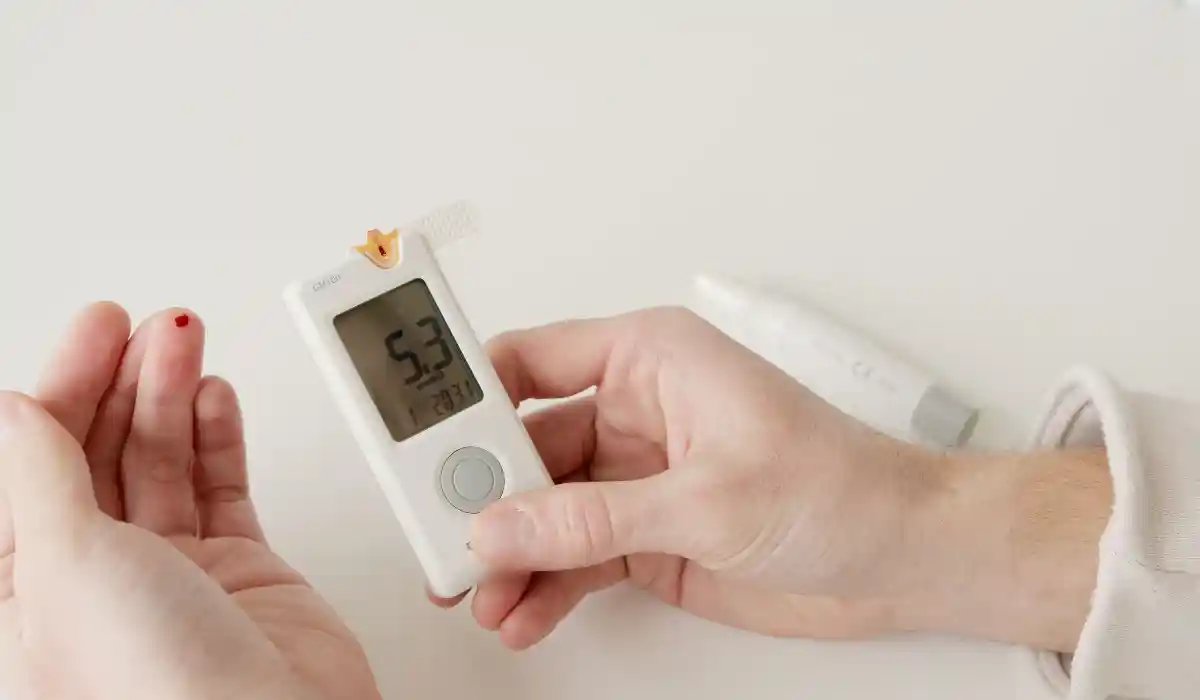
A glucose meter or continuous glucose monitor can show whether fasting levels, after-meal readings, or overnight glucose are contributing most to a high A1C.
Record glucose, meals, medication, physical activity, stress, and illness. Bring these records to appointments so treatment can address patterns instead of isolated readings.
For many nonpregnant adults with diabetes, common targets are 80–130 mg/dL before meals and below 180 mg/dL one to two hours after a meal begins. Individual targets may differ.
Improve Sleep and Manage Stress
Poor sleep may worsen appetite, insulin resistance, and glucose control. Aim for a consistent sleep schedule and seek evaluation for loud snoring, breathing pauses, or persistent daytime sleepiness.
Stress management may include breathing exercises, counselling, meditation, social support, or regular activity. Stress reduction does not replace medical treatment, but it can support consistent self-care.
How Quickly Can A1C Decrease?
Glucose readings can improve within days after effective treatment changes, but A1C takes longer to reflect those changes. Meaningful movement is often seen over several weeks, with a clearer picture after approximately three months.
Trying to force A1C down rapidly with excessive insulin, skipped meals, or severe carbohydrate restriction can cause dangerous hypoglycemia. Safe improvement matters more than speed.
A very large or unexpected change should be reviewed by a healthcare professional, particularly when meter readings do not match the laboratory result.
Risks of Uncontrolled A1C
Persistently elevated glucose can damage blood vessels and nerves. Over time, this may increase the risk of heart disease, stroke, kidney disease, vision loss, neuropathy, foot ulcers, infections, and slow wound healing.
An overly aggressive A1C target can also be harmful if it causes repeated low blood sugar. Treatment should balance glucose improvement with safety, quality of life, and personal health needs.
When to See a Doctor?
Arrange an appointment if your A1C remains above your target, home readings are repeatedly high, or you are having frequent low-glucose episodes.
Seek medical review for increased thirst, frequent urination, unexplained weight loss, blurred vision, recurrent infections, numbness, or wounds that heal slowly.
Contact your clinician when medication costs, side effects, injection concerns, eating difficulties, or emotional stress interfere with treatment. Diabetes self-management education can provide practical support with food, monitoring, medicine, and problem-solving.
Emergency Warning Signs
Blood sugar below 70 mg/dL requires prompt treatment. If the person is awake and can swallow, follow their hypoglycemia plan; the CDC’s general 15-15 approach uses 15 grams of fast-acting carbohydrate followed by another check after 15 minutes.
Call emergency services for seizures, fainting, unconsciousness, severe confusion, or inability to swallow. Do not give food or drink to an unconscious person.
Urgent care is also needed for vomiting, stomach pain, fruity-smelling breath, deep or rapid breathing, severe dehydration, high ketones, or increasing drowsiness. These may indicate diabetic ketoacidosis.
Conclusion
Knowing how to lower hemoglobin A1C involves improving glucose patterns consistently rather than searching for a quick cure. Balanced meals, appropriate portions, physical activity, medication adherence, monitoring, sleep, and professional support can all help.
Your ideal A1C and treatment plan should be individualized. Repeated high readings, low blood sugar, symptoms, or difficulty following treatment should be discussed with your healthcare provider.
FAQS
There is no universal shortcut. Consistent medication use, balanced meals, glucose monitoring, activity, and prompt treatment review provide the safest approach.
Glucose changes can begin quickly, and A1C may start moving within weeks. However, the test mainly reflects glucose over the previous two to three months.
Vegetables, beans, lentils, whole grains, lean proteins, nuts, seeds, and whole fruit can support glucose control when eaten in appropriate portions.
Usually not. Carbohydrates provide energy and nutrients. Choosing higher-fibre options and controlling portions is often more sustainable than eliminating them.
Water supports hydration and is a better choice than sugary drinks, but drinking extra water alone does not treat persistently high A1C.
Regular walking can improve insulin sensitivity and glucose control. A consistent routine generally provides more benefit than occasional intense exercise.
Chronic stress may increase glucose through stress hormones and may make healthy eating, sleep, exercise, and medication adherence more difficult.
Post-meal or overnight elevations may increase A1C even when fasting readings appear normal. A meter or CGM can help identify these patterns.
It is often checked every three months when goals are not met or treatment changes. Stable patients at goal may only need testing twice yearly.
No. Although below 7% is appropriate for many nonpregnant adults, older adults, pregnant people, children, and those at high hypoglycemia risk may need different targets.