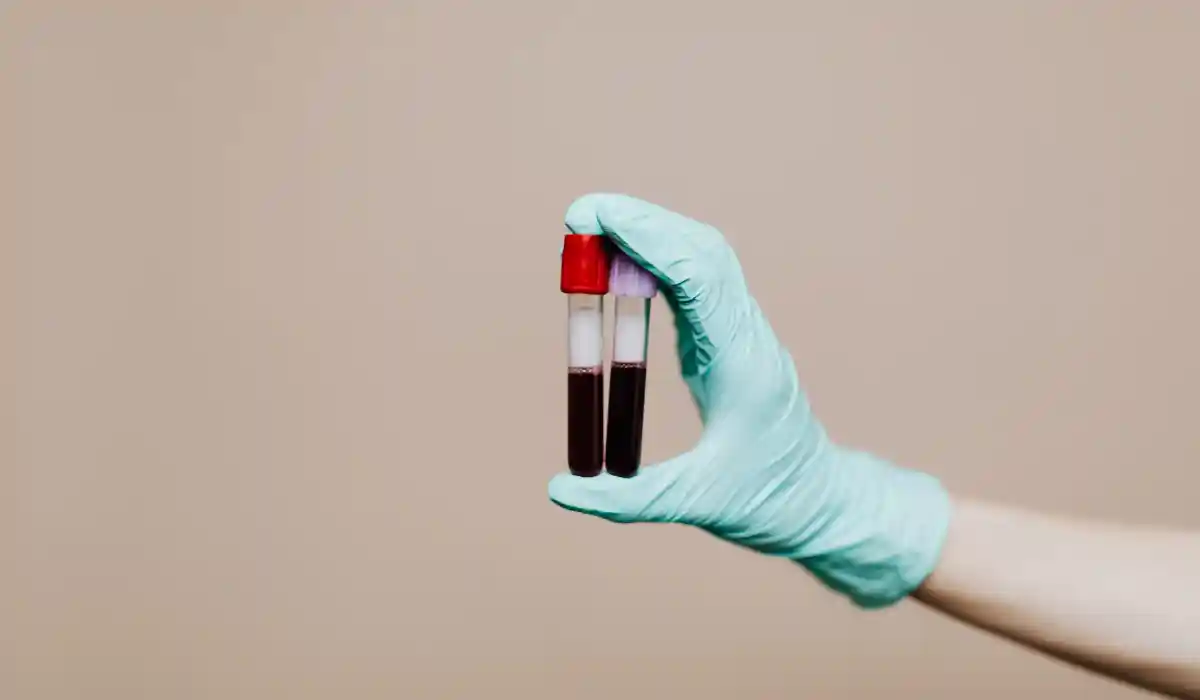
You usually do not need to fast for a PSA test unless your doctor asks for other blood tests at the same time. A PSA test is a simple blood test that checks prostate-specific antigen levels, and food normally does not affect the result.
However, some activities can temporarily raise PSA levels. Ejaculation, vigorous cycling, prostate stimulation, urinary infections, and recent prostate procedures may affect the reading. Good preparation helps reduce the chance of a confusing result.
Do You Need to Fast Before a PSA Test?
A PSA test measures the amount of prostate-specific antigen in your blood. PSA is a protein made by the prostate gland. Small amounts usually enter the bloodstream, but higher levels may need further medical review.
The test can help doctors check prostate health. It may support screening for prostate cancer, monitor known prostate conditions, or track treatment response after prostate-related care.
Fasting means avoiding food and sometimes drinks for several hours before a blood test. Many people ask about fasting because some blood tests, such as glucose or cholesterol tests, may require it.
For a PSA blood test alone, fasting is usually not required. You can often eat and drink as normal before your appointment. Still, follow the instructions from your doctor or lab.
Why PSA Test Preparation Matters?
PSA testing can create anxiety because many people connect it only with prostate cancer. In reality, PSA levels can rise for several reasons, including an enlarged prostate, inflammation, infection, recent ejaculation, or medical procedures.
Knowing how to prepare can help you avoid a falsely raised result. A temporary PSA rise may lead to repeat testing, extra worry, or more medical checks.
This topic also matters because PSA is not a perfect test. A high PSA does not always mean cancer, and a normal PSA does not completely rule it out. Doctors often look at age, symptoms, risk factors, and repeat results before making decisions.
Clear preparation gives your doctor better information. It also helps you feel more confident when you go for the test.
Common Causes, Reasons, or Key Points
The most important point is simple: food does not usually change PSA levels. That is why fasting is not commonly needed for a PSA-only blood test.
Other factors matter more. Ejaculation may raise PSA for a short time, so many doctors recommend avoiding sexual activity that leads to ejaculation for 24 to 48 hours before testing.
Vigorous cycling may also affect PSA in some men because bicycle seats can put pressure on the prostate area. Heavy exercise that affects the pelvic region may also be worth avoiding before the test.
Urinary tract infections, prostatitis, recent catheter use, cystoscopy, prostate biopsy, or prostate surgery can raise PSA. Tell your doctor if any of these apply to you.
Some medicines can lower PSA, including certain drugs used for enlarged prostate. Always share your medication list before testing.
PSA Test Preparation Table
| Before a PSA Test | What to Do | Why It Matters |
| Food | Usually no fasting needed | Food does not normally affect PSA |
| Ejaculation | Avoid for 24–48 hours | May temporarily raise PSA |
| Cycling | Avoid intense cycling for 24–48 hours | Pressure may affect the prostate |
| Urinary symptoms | Tell your doctor | Infection or inflammation may raise PSA |
| Prostate procedures | Mention recent procedures | Biopsy or cystoscopy can affect results |
| Medicines | Share your medication list | Some drugs may change PSA readings |
Signs, Examples, or Real-Life Situations
A man may book a PSA test during a routine health check and wonder if he should skip breakfast. In most cases, he can eat normally if the PSA test is the only blood test planned.
Another person may have a PSA test after a urinary infection. In that case, the doctor may wait until the infection clears before checking PSA. Testing too soon may give a higher reading.
Someone who cycles long distances may also need to plan carefully. Skipping intense cycling before the test may help reduce the chance of a temporary PSA change.
A man with symptoms such as frequent urination, weak urine flow, pelvic discomfort, or waking at night to urinate should tell his doctor. These symptoms may point to prostate enlargement, infection, or another urinary issue.
These examples show why preparation is not only about fasting. The bigger goal is avoiding anything that may confuse the result.
What to Do Before a PSA Test?
Before the test, ask your doctor or lab whether fasting is needed. If they ordered other blood tests with PSA, fasting may apply to those tests, not the PSA test itself.
Avoid ejaculation for 24 to 48 hours before the blood draw unless your doctor gives different instructions. This small step may help keep the result more reliable.
Skip intense cycling, heavy pelvic exercise, or long bike rides before your appointment. Gentle walking or normal daily activity is usually fine.
Drink water as usual unless your doctor tells you otherwise. Staying hydrated can make the blood draw easier.
Tell your doctor about urinary burning, fever, pelvic pain, recent prostate procedures, or current medicines. These details help your doctor decide whether to test now or repeat the test later.
Common Mistakes to Avoid
One common mistake is thinking fasting makes every blood test more accurate. Fasting helps some tests, but it usually does not matter for PSA alone.
Another mistake is having the test soon after ejaculation, intense cycling, or prostate stimulation. These may raise PSA temporarily and make the result harder to interpret.
Some people panic after one high PSA result. A raised PSA does not automatically mean prostate cancer. Doctors often repeat the test or check other factors before recommending the next step.
Do not stop prescribed medicines before a PSA test unless your doctor tells you to. Some medications affect PSA, but stopping them without advice may be unsafe.
Also avoid hiding symptoms. Urinary pain, fever, blood in urine, or pelvic discomfort may change how your doctor reads the test result.
When to Get Professional Help?
Speak with a doctor if you have urinary symptoms, pelvic pain, blood in urine, or pain during urination. These signs may need medical attention even if your PSA result is normal.
Men with a family history of prostate cancer should ask when PSA testing should start. Risk may be higher if a father, brother, or close relative had prostate cancer.
You should also ask a doctor if you are Black, have known genetic risk factors, or have had previous abnormal PSA results. Your testing plan may differ from someone at average risk.
If your PSA comes back high, do not assume the worst. Your doctor may repeat the test, check for infection, perform a digital rectal exam, or suggest imaging or specialist review.
Medical guidance matters because PSA results need context. Age, prostate size, symptoms, medication use, and result trends all affect the next step.
Conclusion
In most cases, no. A PSA test usually does not require fasting because food does not normally change PSA levels.
Better preparation focuses on avoiding activities that may temporarily raise PSA. This includes ejaculation, intense cycling, and testing too soon after urinary infections or prostate procedures.
Always follow your doctor’s instructions, especially if you are having other blood tests at the same time. A well-timed PSA test gives your doctor clearer information and helps you avoid unnecessary worry.
FAQs
No, you usually do not need to fast for a PSA test. Food does not normally affect PSA levels, but follow your doctor’s specific instructions.
Coffee usually does not affect PSA levels directly. However, ask your doctor if you need fasting for other blood tests scheduled the same day.
Avoid ejaculation and intense cycling for 24 to 48 hours before testing. Also tell your doctor about urinary symptoms, infections, or recent prostate procedures.
Vigorous exercise, especially cycling, may temporarily raise PSA in some men. Gentle daily movement is usually fine, but avoid intense pelvic pressure before testing.
A high PSA does not always mean cancer. Your doctor may repeat the test, check for infection, review medicines, or recommend further evaluation.
References
- Mayo Clinic — PSA Test
https://www.mayoclinic.org/tests-procedures/psa-test/about/pac-20384731 - National Cancer Institute — Prostate-Specific Antigen Test Fact Sheet
https://www.cancer.gov/types/prostate/psa-fact-sheet