The safest way to approach how to lower PSA before test is not to force the number down. Instead, you should avoid things that can temporarily raise PSA, follow your doctor’s instructions, and make sure the test shows the most accurate result possible.
PSA can rise for many reasons, including prostate enlargement, infection, inflammation, ejaculation, cycling, recent procedures, and some medicines. A higher PSA does not automatically mean prostate cancer, but it should be interpreted carefully.
This guide explains what affects PSA levels, what to avoid before testing, how to prepare, and when to speak with a doctor.
What to Know Before Trying to Lower PSA Before a Test?
Learning how to lower PSA before test means understanding how to avoid false or temporary PSA increases before a blood test. It does not mean hiding a real prostate problem or using unsafe methods to change the result.
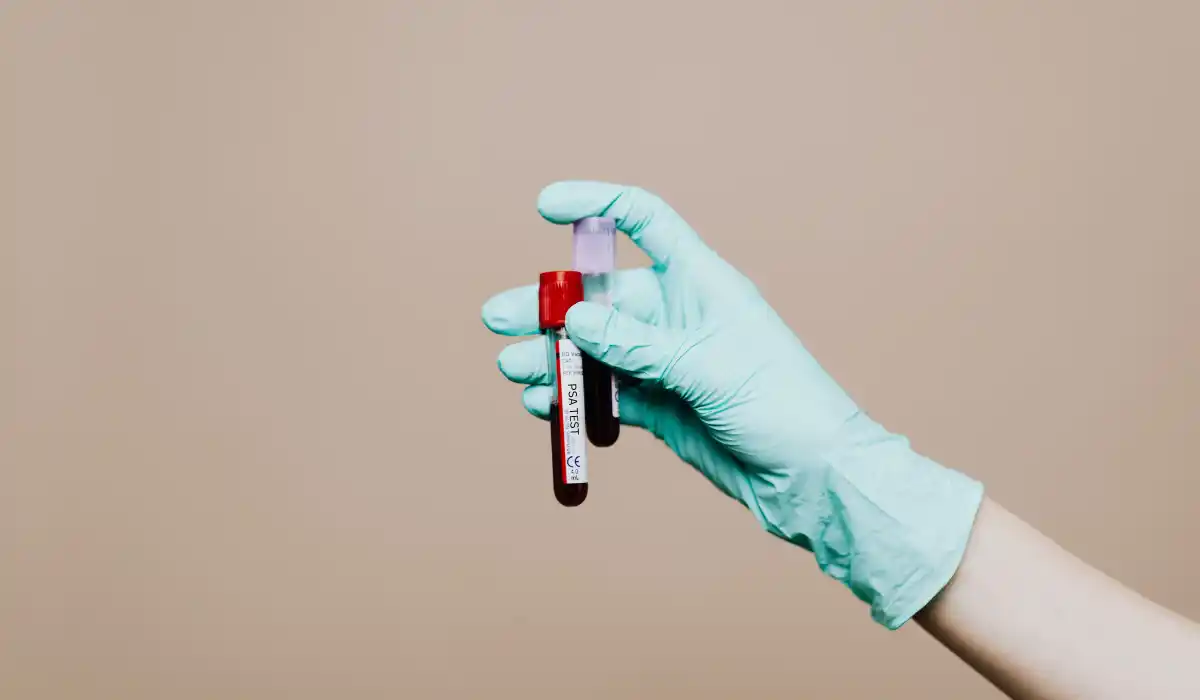
PSA stands for prostate-specific antigen. It is a protein made by prostate cells. A PSA blood test measures how much PSA is in your blood.
Doctors use PSA testing to screen for prostate cancer, monitor prostate conditions, and follow treatment in some men. However, PSA is not a perfect test. Many noncancerous issues can raise PSA.
A better goal is accurate PSA testing. If your result reflects your real baseline, your doctor can make a better decision about repeat testing, imaging, medication, or referral to a urologist.
Why Preparing for a PSA Test Matters?
Many men search this topic because they feel anxious before a PSA test. That is understandable, but trying to “beat” the test can create more risk than benefit.
A falsely high PSA may lead to worry, repeat blood tests, imaging, or biopsy discussions. A falsely low PSA may delay care if a real prostate issue needs attention.
Simple preparation can help reduce avoidable PSA changes. For example, avoiding ejaculation, bike riding, and intense exercise before the test may help prevent temporary increases.
It also matters because some medicines can lower PSA. Finasteride and dutasteride, often used for enlarged prostate or hair loss, may reduce PSA levels. Your doctor needs to know if you take them.
Common Reasons PSA Levels May Rise
Prostate Enlargement
Benign prostatic hyperplasia, or BPH, means noncancerous prostate enlargement. It becomes more common with age and can raise PSA because a larger prostate may produce more PSA.
BPH can also cause urinary symptoms, such as weak urine flow, frequent urination, or waking at night to urinate.
Prostatitis or Infection
Prostatitis means inflammation of the prostate. A urinary tract infection can also affect PSA levels.
If you have burning urination, pelvic pain, fever, chills, or cloudy urine, tell your doctor before testing. You may need evaluation before a PSA result can be trusted.
Ejaculation
Ejaculation can temporarily raise PSA in some men. This includes sex and masturbation.
Many clinics advise avoiding ejaculation for 24 to 48 hours before a PSA blood test. Follow the timing your healthcare provider recommends.
Cycling and Vigorous Exercise
Cycling may place pressure on the prostate area. Intense exercise can also affect PSA levels in some people.
To reduce the chance of a temporary increase, avoid cycling, long bike rides, heavy workouts, and strenuous exercise for about 48 hours before testing unless your doctor gives different advice.
Recent Prostate Procedures
A recent prostate biopsy, cystoscopy, catheter use, prostate massage, or urinary procedure may affect PSA results.
Tell your doctor about any recent tests, procedures, or urinary problems before your PSA blood draw.
Key Things to Know Before a PSA Test
Do Not Start Medicines to Lower PSA
Do not start any medicine, supplement, or herbal product only to lower PSA before a test. This can mislead your doctor and may delay proper care.
If your PSA is high, your doctor may repeat the test, check for infection, review medications, perform an exam, or recommend further evaluation.
Tell Your Doctor About All Medicines
Some medicines can affect PSA levels. These may include finasteride, dutasteride, testosterone therapy, and certain treatments for urinary symptoms.
Give your doctor a full list of prescription drugs, over-the-counter medicines, supplements, and hormone-related treatments.
Diet Will Not Usually Lower PSA Quickly
A healthy diet supports long-term prostate and heart health, but it usually will not lower PSA meaningfully in a few days.
Eating more vegetables, fruits, fiber-rich foods, healthy fats, and less processed food may support overall wellness. It should not replace medical follow-up.
One PSA Result Is Not the Whole Story
Doctors often look at PSA trends, age, prostate size, symptoms, family history, race, medicines, and previous results.
A single PSA number rarely gives the full answer. Repeat testing may help confirm whether the result is stable, rising, or affected by a temporary factor.
Comparison Table: What Can Affect PSA Before Testing?
| Factor | Can It Raise or Lower PSA? | What to Do Before the Test |
| Ejaculation | May temporarily raise PSA | Avoid for 24–48 hours before testing |
| Cycling | May temporarily raise PSA | Avoid bike riding for about 48 hours |
| Heavy exercise | May temporarily raise PSA | Choose light activity before the test |
| UTI or prostatitis | Can raise PSA | Tell your doctor about symptoms |
| Finasteride or dutasteride | Can lower PSA | Tell your doctor before testing |
| Recent prostate procedure | Can raise PSA | Ask when testing should be done |
| Healthy diet | Supports long-term health | Do not expect a quick PSA drop |
| Supplements | May affect care decisions | Ask your doctor before use |
How to Prepare and Manage PSA Testing
1. Schedule the Test at the Right Time
Try to schedule your PSA test when you feel well. If you have fever, urinary burning, pelvic pain, or signs of infection, call your doctor before the blood draw.
Testing during infection or inflammation may create a result that does not reflect your usual PSA level.
2. Avoid Ejaculation Before Testing
Avoid ejaculation for at least 24 to 48 hours before your PSA test. This simple step may reduce the chance of a temporary PSA rise.
Ask your clinic if they follow a specific preparation window.
3. Skip Cycling and Hard Workouts
Avoid cycling, spinning classes, long bike rides, intense cardio, and heavy lifting for about 48 hours before the test.
Light walking is usually fine for most people, but follow your doctor’s advice if you have a medical condition.
4. Tell Your Doctor About Symptoms
Mention urinary frequency, weak stream, blood in urine, burning, pelvic pain, pain with ejaculation, fever, or recent urinary retention.
These details help your doctor decide whether to test now, delay testing, check urine, or treat another issue first.
5. Review Your Medicines and Supplements
Bring a medication list or take a photo of your bottles. Include prostate medicines, hair-loss treatments, testosterone, herbal products, and urinary supplements.
Do not stop prescribed medicine unless your healthcare provider tells you to.
6. Ask About Repeat Testing
If your PSA comes back higher than expected, ask whether a repeat test makes sense. Doctors often repeat PSA when a temporary cause may have affected the result.
A repeat test can help avoid rushing into decisions based on one number.
Safety Notes and When to Ask a Doctor
You should not try to artificially lower PSA before a test. The purpose of PSA testing is to help detect possible prostate problems early and guide proper care.
Ask a doctor before your test if you have urinary symptoms, fever, pelvic pain, recent prostate procedures, or a history of prostatitis.
Speak with a healthcare provider if your PSA is rising over time, your result is much higher than previous levels, or you have a family history of prostate cancer.
Get urgent care if you have inability to urinate, high fever, severe pelvic pain, blood clots in urine, or severe back pain with weakness.
Men taking finasteride or dutasteride should always tell their doctor because these medicines can lower PSA and may require special interpretation.
Final Thoughts
The best way to think about how to lower PSA before test is to focus on accuracy, not manipulation. Avoid ejaculation, cycling, heavy exercise, and testing during possible infection when your doctor advises it.
Tell your healthcare provider about medicines, supplements, urinary symptoms, and recent procedures. These details can change how your PSA result should be interpreted.
A PSA test is only one part of prostate health evaluation. If your result is high, do not panic. Work with your doctor to understand the number, repeat testing if needed, and choose the safest next step.
FAQs
The safest approach is avoiding temporary PSA-raising factors like ejaculation, cycling, intense exercise, and testing during infection. Do not use unsafe methods to hide results.
Many providers suggest avoiding ejaculation for 24 to 48 hours before PSA testing. Ask your doctor or lab for their exact preparation instructions.
Yes, cycling may temporarily raise PSA because of pressure near the prostate. Avoid bike riding or spinning classes for about 48 hours before testing.
Supplements should not be used to quickly lower PSA before testing. They may affect care decisions and should be discussed with a healthcare provider.
Your doctor may recommend repeating PSA if infection, ejaculation, cycling, exercise, or another temporary factor may have affected the result.
References
- National Cancer Institute – Prostate-Specific Antigen (PSA) Test
https://www.cancer.gov/types/prostate/psa-fact-sheet - Mayo Clinic – PSA Test Overview
https://www.mayoclinic.org/tests-procedures/psa-test/about/pac-20384731