
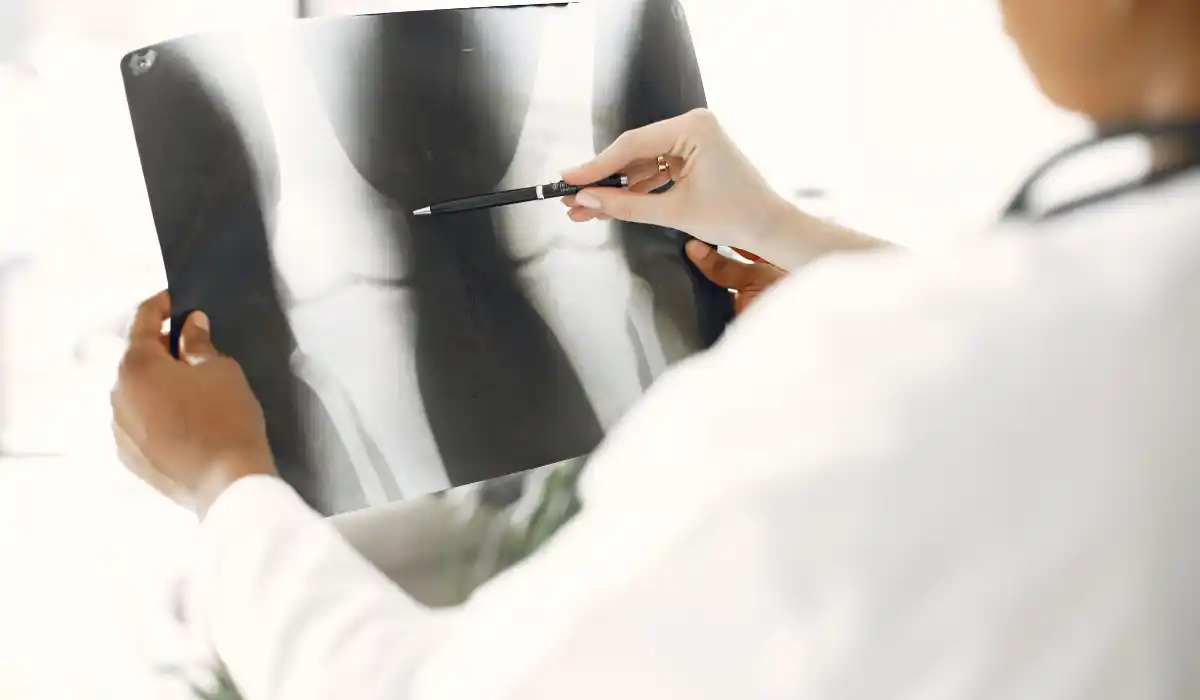
A normal knee MRI vs abnormal result shows the difference between healthy-looking knee structures and signs of injury, wear, swelling, or disease. A normal knee MRI usually shows intact ligaments, smooth cartilage, normal menisci, and no major fluid buildup or bone injury.
An abnormal knee MRI may show a meniscus tear, ligament injury, cartilage loss, bone bruise, arthritis, tendon damage, cyst, inflammation, or fracture. MRI results need doctor review because some findings may not match the level of pain a person feels.
What Is Normal Knee MRI vs Abnormal?
A knee MRI is an imaging test that uses a strong magnetic field and radio waves to create detailed pictures of the knee. It does not use X-rays or radiation.
The scan can show bones, cartilage, ligaments, tendons, muscles, menisci, blood vessels, and fluid around the joint. Doctors often use it when knee pain, swelling, locking, instability, or injury needs a closer look.
Normal knee MRI vs abnormal means comparing expected knee anatomy with findings that may suggest damage or disease. A radiologist reads the scan and sends a report to the doctor.
Why Normal Knee MRI vs Abnormal Matters?
Many people search this topic because MRI reports can feel confusing. Terms like “tear,” “effusion,” “degeneration,” “edema,” “chondral loss,” or “signal change” can sound serious.
Understanding the basics can help patients ask better questions and avoid panic. Not every abnormal MRI finding requires surgery, and not every normal MRI means symptoms are not real.
MRI matters because it shows soft tissues better than a regular X-ray. It can help doctors evaluate meniscus tears, ligament injuries, cartilage damage, bone bruises, and unexplained knee pain.
What a Normal Knee MRI May Show?
A normal knee MRI usually shows clean, organized knee structures. The menisci should look smooth and intact without a tear line.
The ACL, PCL, MCL, and LCL should appear continuous and not torn. Cartilage should look smooth without major thinning, cracks, or defects.
A normal scan may still show a tiny amount of joint fluid. Small fluid can be normal, especially if the radiologist calls it physiologic or minimal.
What an Abnormal Knee MRI May Show?
An abnormal knee MRI shows changes that do not look normal for the patient’s age, injury history, or symptoms. These changes may involve soft tissue, bone, cartilage, or fluid.
A report may describe a meniscus tear, ligament sprain, cartilage defect, bone marrow edema, joint effusion, tendinitis, bursitis, cyst, or arthritis changes.
Some abnormal findings come from sudden injury. Others develop slowly from aging, overuse, sports activity, body weight, past trauma, or inflammatory joint disease.
Common Abnormal Knee MRI Findings
Meniscus Tear
The meniscus is a C-shaped cartilage pad that helps cushion the knee. Each knee has a medial meniscus and a lateral meniscus.
A meniscus tear may appear as a bright line or irregular signal inside the dark meniscus. Symptoms may include pain, swelling, catching, clicking, or locking.
Some meniscus tears happen after a twisting injury. Others develop gradually with age-related wear.
ACL or Ligament Injury
The ACL helps control forward movement and rotation of the knee. An ACL tear may happen during sports, sudden stops, twisting, or awkward landings.
MRI can also show injuries to the PCL, MCL, and LCL. A ligament injury may appear as stretching, partial tearing, full tearing, swelling, or abnormal position.
People with ligament injuries may feel instability, pain, swelling, or a “giving way” feeling in the knee.
Cartilage Damage
Cartilage covers the ends of bones and helps the knee move smoothly. Damage can appear as thinning, softening, cracking, or full-thickness cartilage loss.
Cartilage changes may come from arthritis, injury, overuse, or age-related wear. A report may use terms like chondral defect, chondromalacia, or cartilage fissuring.
Cartilage findings matter, but symptoms vary. Some people have cartilage wear with mild pain, while others feel significant stiffness or swelling.
Bone Bruise or Fracture
A bone bruise means the bone has injury-related swelling inside it. MRI can show this type of damage better than an X-ray in many cases.
A fracture or stress reaction may also appear on MRI. These findings often need activity changes and medical guidance.
Bone marrow edema is another common report term. It means increased fluid-like signal inside the bone and may happen after injury, arthritis, inflammation, or stress.
Joint Effusion and Swelling
Joint effusion means extra fluid inside the knee joint. It may happen after injury, arthritis, infection, inflammation, or overuse.
Small fluid may not cause concern, but large or painful swelling needs medical review. A swollen knee with fever, redness, or severe pain needs urgent care.
MRI can show where fluid collects and whether other injuries may explain the swelling.
Baker’s Cyst
A Baker’s cyst is a fluid-filled swelling behind the knee. It often develops when joint fluid increases because of another knee problem.
A cyst may cause tightness behind the knee, stiffness, or swelling. Some people do not feel symptoms.
Doctors often focus on the underlying cause, such as arthritis or a meniscus tear, rather than the cyst alone.
Normal Knee MRI vs Abnormal Comparison Table
| Feature | Normal Knee MRI | Abnormal Knee MRI |
| Meniscus | Smooth, intact, no tear line | Tear, degeneration, or displaced fragment |
| Ligaments | ACL, PCL, MCL, and LCL look intact | Sprain, partial tear, or complete tear |
| Cartilage | Smooth joint surface | Thinning, cracks, defects, or arthritis changes |
| Bone | No bruise, fracture, or stress injury | Bone bruise, edema, fracture, or stress reaction |
| Fluid | None or small normal amount | Effusion, swelling, cyst, or inflammation |
| Tendons | Normal thickness and signal | Tendinitis, tear, or inflammation |
How to Understand a Knee MRI Report?
Start with the “Impression” section. This part usually gives the main findings in a short summary.
Next, look at the details for each structure. Reports often review the menisci, ligaments, cartilage, bones, tendons, muscles, and joint fluid separately.
Ask your doctor whether the MRI finding matches your symptoms. A small tear or mild arthritis change may not fully explain severe pain, while a normal MRI may still miss some functional problems.
Important Knee MRI Terms
Intact
Intact means the structure does not show a tear. For example, “ACL intact” means the anterior cruciate ligament does not look torn.
Effusion
Effusion means extra fluid in the joint. It can happen with injury, arthritis, inflammation, or infection.
Edema
Edema means swelling or fluid-like signal. In the knee, bone marrow edema may suggest bruising, stress injury, arthritis, or inflammation.
Degeneration
Degeneration means wear-related change. It does not always mean a fresh tear or serious injury.
Chondral Loss
Chondral loss means cartilage loss. It may appear with arthritis or cartilage injury.
When a Normal MRI Still Leaves Questions?
A normal MRI can be reassuring, but it does not always explain every symptom. Pain can come from nerve irritation, muscle weakness, movement problems, referred pain, or early conditions that do not show clearly.
Knee pain may also relate to hip, back, foot, or gait problems. A physical exam helps doctors connect imaging results with real movement and pain patterns.
If pain continues, your doctor may suggest physical therapy, activity changes, blood tests, repeat imaging, or referral to an orthopedic specialist.
When an Abnormal MRI Does Not Mean Surgery?
An abnormal knee MRI does not always mean you need surgery. Many knee problems improve with rest, physical therapy, strengthening, bracing, medication, injections, or activity changes.
Treatment depends on symptoms, age, activity level, injury type, pain severity, and daily function. A stable degenerative meniscus tear may not need the same treatment as a fresh ACL tear in an athlete.
Doctors treat the person, not the MRI image alone. That is why your symptoms and exam findings matter as much as the scan.
Things to Consider Before a Knee MRI
Tell the imaging center if you have a pacemaker, implanted device, metal fragments, aneurysm clip, cochlear implant, or other metal-related medical history. Some devices may not be MRI-safe.
Also tell the team if you feel claustrophobic. Many centers can offer support, positioning help, or options to make the scan easier.
Some knee MRI exams use contrast, but many do not. If contrast is needed, tell your doctor about kidney disease, pregnancy, breastfeeding, allergies, or past contrast reactions.
When to Ask a Doctor?
Ask a doctor if knee pain follows an injury, does not improve, or affects walking, stairs, sleep, sports, or work. Swelling, locking, instability, or a popping injury also needs review.
Seek urgent care if the knee looks red, hot, very swollen, or severely painful. Fever with knee swelling may suggest infection and needs quick medical attention.
Also get medical help if you cannot bear weight, cannot straighten the knee, or notice numbness, weakness, or major deformity.
Final Thoughts
Normal knee MRI vs abnormal results help doctors understand whether knee structures look healthy or show signs of injury, arthritis, swelling, or tissue damage. A normal scan often shows intact menisci, ligaments, cartilage, tendons, and bones.
An abnormal scan may show a tear, sprain, cartilage loss, bone bruise, fluid buildup, cyst, or arthritis. Still, MRI findings do not always match pain levels perfectly.
The best next step is to review the report with your doctor. They can connect the MRI result with your symptoms, physical exam, and treatment options.
FAQs
Normal knee MRI vs abnormal means comparing healthy knee structures with findings such as tears, swelling, cartilage loss, bone bruises, or arthritis changes.
A normal knee MRI usually shows intact ligaments, smooth cartilage, normal menisci, healthy bones, normal tendons, and no major swelling or injury.
Common abnormal findings include meniscus tears, ligament sprains, cartilage wear, joint effusion, bone bruises, tendinitis, and arthritis-related changes.
Yes. Some people have meniscus wear, cartilage changes, or arthritis findings without major pain. Doctors compare MRI results with symptoms and exam findings.
No. Many abnormal knee MRI findings improve with physical therapy, rest, strengthening, bracing, medication, or activity changes instead of surgery.
References
- MedlinePlus – Knee MRI Scan
https://medlineplus.gov/ency/article/007361.htm - MedlinePlus – MRI Scans
https://medlineplus.gov/mriscans.html - Mayo Clinic – Knee Pain Symptoms and Causes
https://www.mayoclinic.org/diseases-conditions/knee-pain/symptoms-causes/syc-20350849