
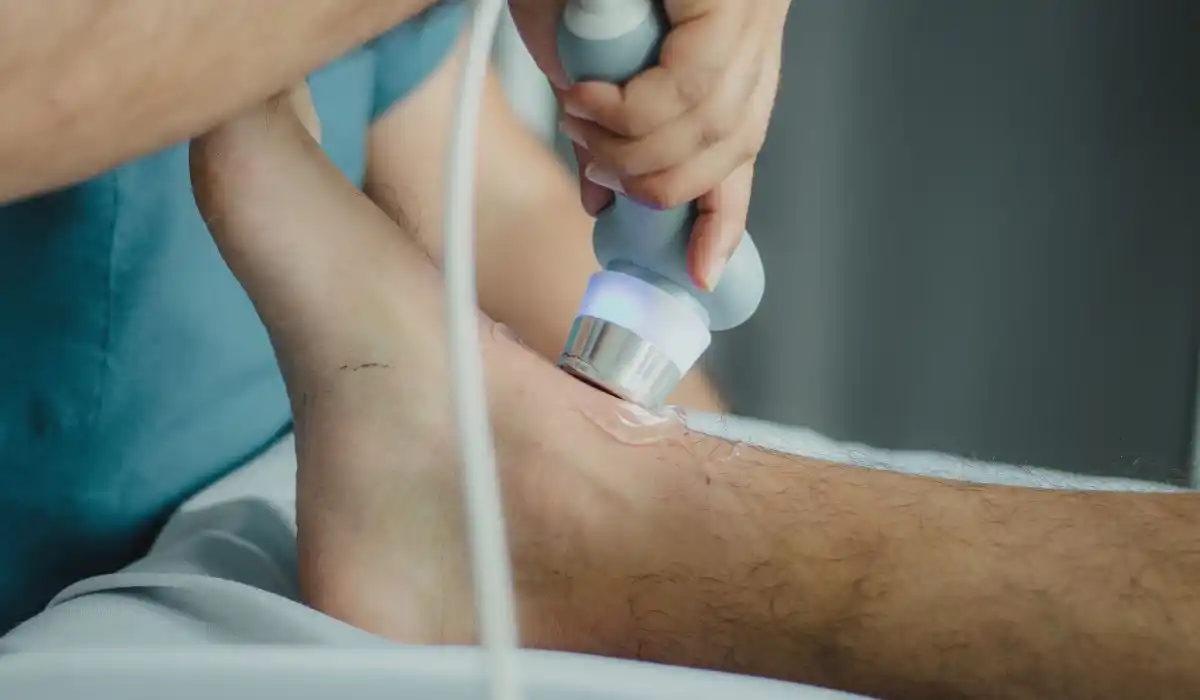
Shockwave therapy for ED is a non-surgical treatment that uses low-intensity sound waves to support blood flow in the penis. Some men consider it when erectile dysfunction may relate to poor circulation or when pills do not work well enough.
This treatment may help some men with mild to moderate erectile dysfunction, but research still continues. Medical groups and many experts consider it experimental, so men should understand the benefits, limits, cost, and safety points before trying it.
What Is Shockwave Therapy for ED?
Shockwave therapy for ED, also called low-intensity shockwave therapy or LiSWT, uses gentle acoustic waves on penile tissue. A trained provider moves a handheld device over specific areas of the penis.
The goal is to stimulate blood flow and support healthier blood vessel function. Erections depend on good circulation, so this approach targets one possible cause of erectile dysfunction.
This treatment does not involve surgery, injections, or anesthesia in most cases. Sessions usually happen in a clinic and often take a short time.
Why Shockwave Therapy for ED Matters?
Many men search for shockwave therapy for ED because they want a treatment that may address blood flow rather than only create a temporary erection. Pills like sildenafil or tadalafil can help many men, but they do not work for everyone.
Some men cannot take ED pills because of medical conditions or medication interactions. Others may want a non-pill option because they dislike side effects, planning, or repeated medication use.
Still, ED can signal bigger health issues. Diabetes, high blood pressure, heart disease, low testosterone, stress, smoking, obesity, and medication side effects can all play a role.
How Shockwave Therapy May Work?
Low-intensity shockwave therapy sends sound waves into penile tissue. These waves may create a mild biological response that supports tissue repair and blood vessel growth.
Better blood flow may improve erection quality in some men, especially when vascular erectile dysfunction plays a role. Vascular ED means erections suffer because blood flow into the penis is weak or restricted.
However, shockwave therapy does not fix every cause of ED. It may not help much when ED comes mainly from nerve damage, severe diabetes, major prostate surgery effects, hormone problems, or psychological stress.
Possible Benefits of Shockwave Therapy for ED
May Support Blood Flow
The main reason doctors study shockwave therapy is its possible effect on penile blood flow. Erections need healthy blood vessels, so circulation matters.
Men with mild to moderate vascular ED may be the group most likely to discuss this option with a urologist. A proper exam helps identify whether blood flow could be the main issue.
Non-Surgical Treatment
Shockwave therapy does not require cuts, implants, or hospital recovery. Most sessions happen in an office setting.
Many men return to normal activity soon after treatment. This makes it different from surgical options like penile implants.
May Help Some Men Who Respond Poorly to Pills
Some men do not get enough benefit from oral ED medication. Others get side effects such as headache, flushing, nasal congestion, or stomach upset.
Shockwave therapy may be discussed when pills do not work well enough, but it should not replace a full medical evaluation. A doctor should first check why the medication failed.
May Reduce Dependence on Timed Medication for Some Men
Some men hope shockwave therapy will reduce the need to plan sex around medication timing. This is one reason the treatment gets attention.
Results vary widely. Some men may notice improvement, while others may see little or no change.
Shockwave Therapy vs Radial Wave Therapy
Shockwave therapy and radial wave therapy are not the same. This difference matters because many clinics advertise “shockwave” treatments, but they may use radial pressure wave devices.
Low-intensity shockwave therapy sends focused or linear acoustic waves deeper into tissue. Radial wave therapy spreads energy more superficially and has weaker evidence for ED.
Before paying for treatment, ask the clinic what device they use, who performs the treatment, and whether the provider is a licensed medical professional experienced in ED care.
Shockwave Therapy for ED Comparison Table
| Option | How It Works | Best For | Limits |
| Shockwave therapy | Uses acoustic waves to support blood flow | Mild to moderate vascular ED | Still experimental and often costly |
| ED pills | Increase blood flow during sexual stimulation | Many common ED cases | Not safe with nitrates |
| Penile injections | Medication directly relaxes penile blood vessels | Men who do not respond to pills | Requires injection technique |
| Vacuum erection device | Pulls blood into the penis with suction | Non-drug option | May feel less natural |
| Penile implant | Surgical device creates erection | Severe ED when other treatments fail | Surgery and recovery required |
Who May Be a Good Candidate?
A possible candidate may have mild to moderate ED linked to poor blood flow. Men who still respond somewhat to ED medication may also be better candidates than men with severe ED.
A urologist may review medical history, blood pressure, diabetes status, testosterone level, medication use, and heart health before recommending any option.
Men with severe ED, major nerve injury, uncontrolled diabetes, recent prostate surgery effects, or advanced blood vessel disease may not respond as well.
Who Should Be Careful?
Men should be careful if a clinic promises a guaranteed cure, permanent results, or dramatic outcomes without a medical exam. ED treatment should start with proper diagnosis.
Be cautious with non-medical spas, cash-only clinics, or ads that do not clearly explain the device type. Radial wave therapy may be marketed like shockwave therapy even though it is different.
Men with penile pain, penile curvature, Peyronie’s disease, bleeding problems, active infection, or recent surgery should speak with a urologist before considering treatment.
What Happens During Treatment?
During a session, the provider applies gel and moves a wand-like device over the penis. The device sends low-intensity waves into the tissue.
Most sessions do not require anesthesia. Some men may feel tapping, pressure, or mild discomfort during treatment.
Treatment plans vary. Some clinics offer several sessions over a few weeks, but there is no single standard protocol that all experts agree on.
How Long Does It Take to Work?
Some men may notice changes within weeks, while others may need one to three months. Results depend on ED cause, age, vascular health, treatment protocol, and overall health.
Long-term durability remains uncertain. Some men may need additional treatment later, and others may not respond at all.
This is why men should discuss expectations clearly before paying for treatment. A realistic plan protects both health and budget.
Risks and Side Effects
Shockwave therapy for ED usually appears well tolerated in studies, but side effects can happen. Possible issues include temporary discomfort, bruising, bleeding, skin irritation, or pain.
More research is still needed to understand the best protocol, long-term safety, and which patients benefit most. Men should avoid providers who present it as fully proven for everyone.
If pain, swelling, bleeding, worsening curvature, or urinary symptoms occur after treatment, contact a healthcare provider.
Cost and Insurance
Shockwave therapy for ED can cost hundreds of dollars per session. Many insurance plans do not cover it because it remains experimental and lacks FDA approval for ED.
A full treatment plan may involve multiple sessions, so the total cost can become high. Ask for the full price before starting.
Also ask what happens if treatment does not work. A trustworthy clinic should explain realistic outcomes instead of pressuring you into a package.
How to Choose a Provider?
Choose a licensed medical provider who evaluates ED properly before treatment. A urologist or men’s health specialist can check whether shockwave therapy fits your case.
Ask these questions before booking:
- What device do you use?
- Is it true low-intensity shockwave therapy or radial wave therapy?
- Who performs the treatment?
- How many sessions do you recommend?
- What results should I realistically expect?
- What other ED treatments should I consider?
- A good provider should answer clearly and discuss alternatives, not just sell one treatment.
Other ED Treatments to Know
ED pills remain a common first treatment for many men. Sildenafil, tadalafil, vardenafil, and avanafil may help improve erections during sexual stimulation.
However, men who take nitrates for chest pain or certain heart conditions should not use PDE5 inhibitors because the combination can cause a dangerous blood pressure drop.
Other options include lifestyle changes, counseling, testosterone treatment when medically needed, penile injections, vacuum devices, urethral medication, and penile implants.
Lifestyle Steps That May Help ED
Lifestyle changes can improve erection health, especially when blood flow plays a role. Regular exercise, weight management, quitting smoking, limiting alcohol, and better sleep may help.
Managing diabetes, cholesterol, and blood pressure also matters. ED can sometimes appear before a man knows he has heart or blood vessel disease.
Mental health matters too. Stress, anxiety, depression, relationship problems, and performance pressure can all affect erections.
Things to Consider Before Trying Shockwave Therapy
Shockwave therapy for ED is not a guaranteed solution. Some men may improve, while others may spend money without clear benefit.
The treatment may work best for a specific group of men with mild to moderate vascular ED. It may not work well for severe ED or ED caused mainly by nerve damage or hormone problems.
Before trying it, ask a urologist whether your ED cause matches the treatment goal. Proper testing and medical history can help avoid disappointment.
When to Ask a Doctor or Professional?
Ask a doctor if ED happens often, starts suddenly, or affects confidence, intimacy, or quality of life. Early care can uncover treatable causes.
Seek medical help sooner if ED comes with chest pain, shortness of breath, leg pain when walking, low libido, penile pain, curvature, numbness, or urinary symptoms.
Men taking heart medication, blood pressure drugs, antidepressants, diabetes medicine, or testosterone should also discuss ED treatment with a healthcare provider.
Final Thoughts
Shockwave therapy for ED may help some men with mild to moderate vascular erectile dysfunction, but it remains an experimental treatment with mixed evidence and uncertain long-term results.
It may offer a non-surgical, non-pill option for selected men, yet it should not replace proven ED treatments or a full medical evaluation. Device type, provider training, cost, and realistic expectations matter.
Before paying for treatment, speak with a urologist. The safest plan starts with finding the cause of ED and choosing the treatment that fits your health, goals, and risk factors.
FAQs
Shockwave therapy for ED uses low-intensity acoustic waves on penile tissue to support blood flow. It remains experimental and may not work for everyone.
No. Low-intensity shockwave therapy is not FDA-approved for treating erectile dysfunction, so insurance often does not cover it.
It may help some men with mild to moderate vascular ED, but research remains mixed. A urologist can explain whether you are a good candidate.
Not always. ED pills have stronger established use for many men. Shockwave therapy may suit selected cases but is still considered experimental.
Treatment plans vary by clinic and device. Many protocols use several sessions over weeks, but experts have not agreed on one standard schedule.
References
- Cleveland Clinic – Does Shockwave Therapy Help ED?
https://health.clevelandclinic.org/shockwave-therapy-for-ed - PubMed – Low-Intensity Shockwave Therapy for Erectile Dysfunction
https://pubmed.ncbi.nlm.nih.gov/40654049/