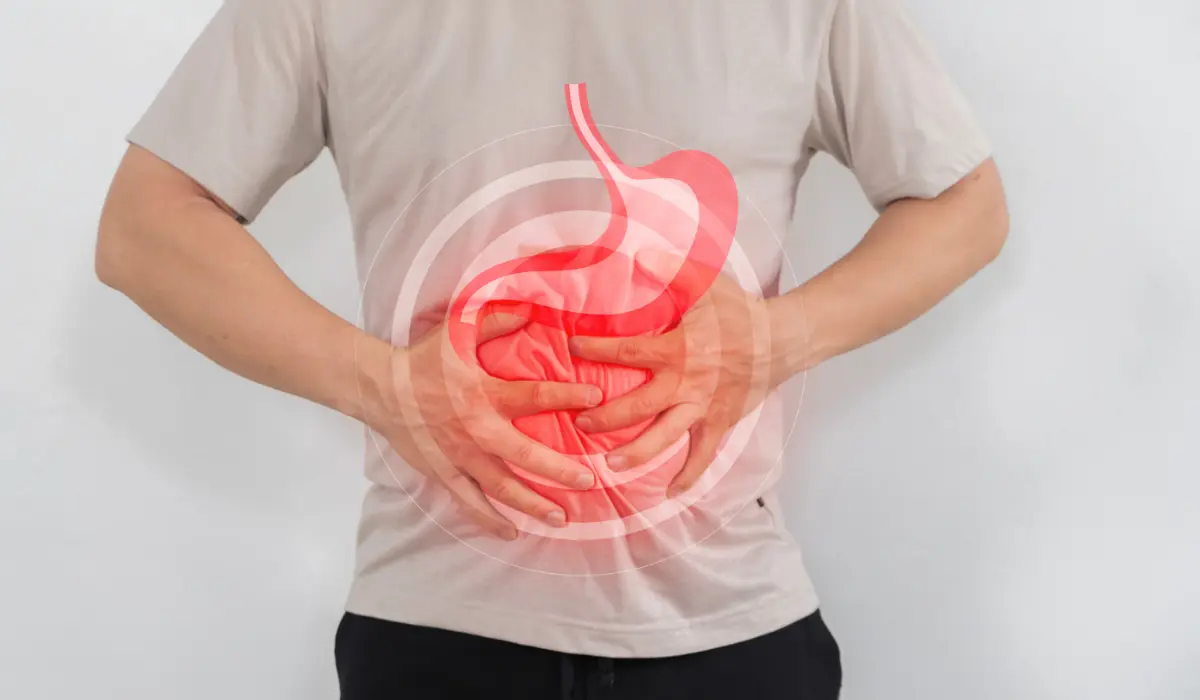

How gut health affects skin is a growing topic because the digestive system and skin are more connected than many people realize. Your gut microbiome helps with digestion, immune function, inflammation balance, and nutrient absorption. When gut health is disturbed, some people may notice changes in acne, eczema, redness, dryness, or overall skin comfort.
This connection is often called the gut-skin axis. Research suggests the gut microbiome and skin may communicate through immune signals, inflammation, metabolism, and microbial balance, but this does not mean every skin problem starts in the gut. Skin health is usually affected by many factors at once.
What Is the Gut-Skin Axis?
The gut-skin axis describes the relationship between the digestive system, gut bacteria, immune system, and skin. Your gut contains trillions of microbes that help break down food, support the immune system, and produce helpful compounds.
The skin also has its own microbiome. A healthy skin barrier helps keep moisture in and irritants out. When the gut or skin microbiome becomes unbalanced, it may influence inflammation and immune responses that show up on the skin.
Can Poor Gut Health Cause Skin Problems?
Poor gut health does not automatically cause acne, eczema, or psoriasis. However, gut imbalance may be one piece of the puzzle for some people.
Skin problems can also be affected by hormones, genetics, stress, sleep, medications, allergies, skincare products, diet, infections, and environmental triggers. That is why gut health should be seen as support for skin wellness, not a guaranteed cure.
Gut Health and Acne
Acne can be affected by oil production, clogged pores, bacteria, inflammation, hormones, and sometimes diet. Research on the gut-brain-skin axis suggests gut microbes, diet, stress, and inflammation may influence acne severity in some people.
Diet may also matter. A low-glycemic diet may lead to fewer pimples in some people, and some studies suggest cow’s milk may be linked with acne breakouts.
This does not mean everyone with acne must avoid dairy or carbs. A better approach is to track your own triggers and speak with a dermatologist if acne is painful, persistent, or causing scars.
Gut Health, Eczema, and Inflammation
Eczema is linked with skin barrier problems, immune sensitivity, dryness, itching, and inflammation. Gut health may play a role in immune balance, but eczema is not simply a “gut problem.”
Some research has studied probiotics and prebiotics in dermatology, especially for atopic dermatitis. Evidence is still mixed, and probiotic benefits often depend on the strain, age group, dose, and condition being studied.
For people with eczema, basic care still matters most: gentle skincare, moisturizers, avoiding known triggers, and medical treatment when needed.
How Digestion Can Affect Skin Appearance?
When digestion is off, people may feel bloated, tired, inflamed, or uncomfortable. These changes do not always directly damage the skin, but they can affect daily habits that influence skin health.
For example, poor digestion may lead to poor food choices, less sleep, more stress, or nutrient gaps. Nutrients such as protein, zinc, vitamin C, vitamin A, omega-3 fats, and antioxidants all support skin repair, collagen production, and barrier function.
Foods That Support Gut and Skin Health
A skin-supportive diet does not need to be extreme. Focus on whole foods that support digestion and provide steady nutrients.
Helpful options include:
- Vegetables and fruits
- Beans, lentils, and whole grains
- Yogurt or kefir with live cultures, if tolerated
- Fermented foods such as sauerkraut or kimchi
- Nuts and seeds
- Fatty fish or other omega-3 sources
- Lean protein
- Plenty of water
Fiber is especially important because it feeds beneficial gut bacteria. Add fiber slowly if you are prone to bloating or gas.
Probiotics for Skin: Helpful or Overhyped?
Probiotics may help some people, but they are not magic skin pills. The effect depends on the strain, dose, product quality, and reason for using them.
Probiotics have been studied for many health purposes, but the evidence varies by condition and product. It also warns that some probiotic products may not contain exactly what the label lists.
If you try probiotics for skin or digestion, start with one product at a time and track symptoms. Stop if bloating, rash, diarrhea, or discomfort gets worse.
Practical Tips to Support Gut and Skin
Eat a balanced diet with protein, fiber, and colorful plant foods. Drink enough water and avoid relying heavily on sugary drinks, alcohol, and ultra-processed foods.
Keep a simple food and skin journal if you suspect triggers. Track breakouts, itching, redness, bloating, bowel changes, stress, sleep, and skincare products.
Protect your skin barrier with gentle cleansing, moisturizer, and sunscreen. Gut health may support skin from the inside, but daily skin care still matters on the outside.
When to Seek Professional Help?
See a healthcare provider if digestive symptoms are ongoing, painful, or linked with weight loss, blood in stool, persistent diarrhea, constipation, vomiting, or severe bloating.
A dermatologist can help if you have severe acne, painful cysts, eczema flares, spreading rashes, infected skin, sudden skin changes, or scarring. Do not rely only on diet changes if symptoms are worsening.
Final Thoughts
Gut health can affect skin through inflammation, immune function, nutrient absorption, and the gut-skin axis. However, skin problems usually have more than one cause.
A balanced diet, fiber-rich foods, hydration, sleep, stress control, gentle skincare, and medical guidance can all support healthier skin. If symptoms continue, testing and professional care are better than guessing.
FAQs
Gut health may affect skin through inflammation, immune balance, nutrient absorption, and the gut-skin axis. However, skin problems usually have several causes.
Poor gut health may contribute to inflammation in some people, but acne is also affected by hormones, oil production, bacteria, genetics, and skincare habits.
Fiber-rich vegetables, fruits, whole grains, beans, yogurt, kefir, nuts, seeds, fatty fish, and lean protein can support gut balance and skin nutrition.
Probiotics may help some people, but results vary by strain, dose, product quality, and condition. They should not replace dermatology treatment.
They can be connected in some cases, especially with food intolerance, stress, or inflammation, but bloating and breakouts can also have separate causes.
Seek care for severe acne, infected rashes, weight loss, blood in stool, persistent diarrhea, severe bloating, vomiting, or sudden skin changes.
Reference
- NIH/NCCIH – Probiotics: Usefulness and Safety
https://www.nccih.nih.gov/health/probiotics-usefulness-and-safety - PMC – Gut-Skin Axis Review
https://pmc.ncbi.nlm.nih.gov/articles/PMC7916842/