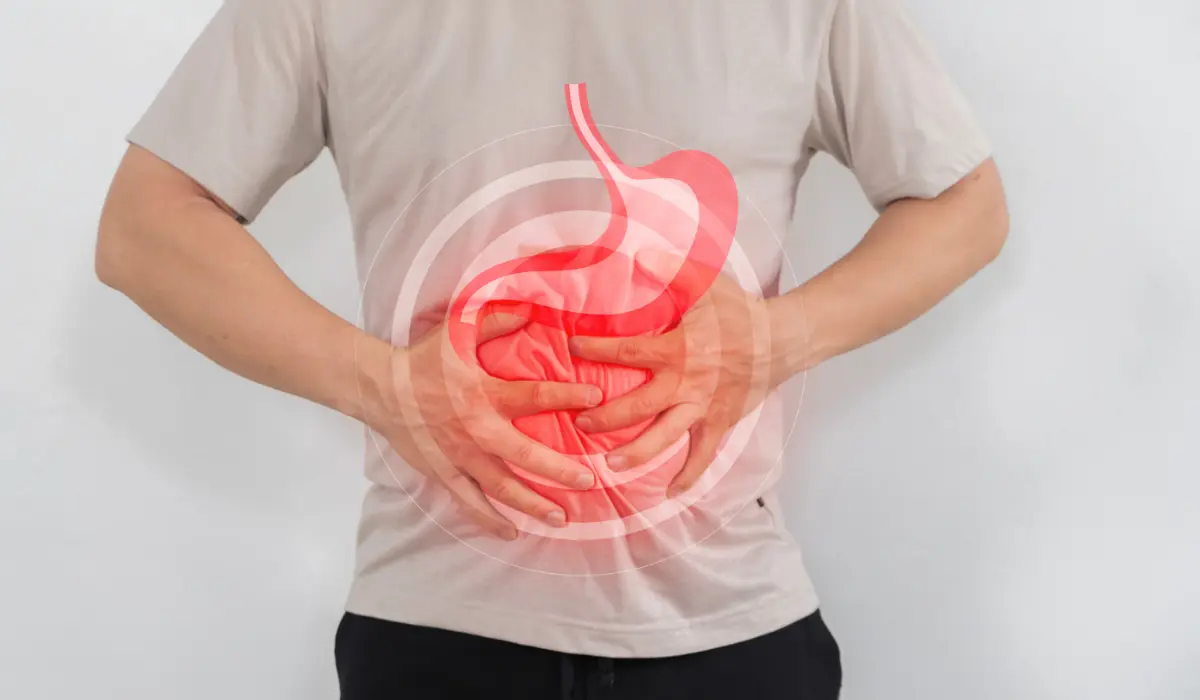

Appetite control tips without medication can help people manage hunger, reduce cravings, and build healthier eating habits in a realistic way. Appetite is not only about willpower. It can be affected by sleep, stress, meal timing, food choices, hydration, emotions, hormones, and daily routines.
The goal is not to ignore hunger or eat as little as possible. A better approach is to understand why hunger happens, choose more filling foods, and create habits that support steady energy.
Why Appetite Feels Hard to Control?
Appetite can increase for many reasons. Skipping meals, eating mostly refined carbs, poor sleep, dehydration, stress, boredom, and highly processed foods can all make hunger feel stronger.
Sometimes appetite is physical. Other times, it may be emotional or habit-based. For example, you may feel hungry every night while watching TV because your brain connects that activity with snacking.
Build Meals With Protein
Protein is one of the most helpful nutrients for fullness. It takes longer to digest than refined carbohydrates and can help you feel satisfied after meals.
Good protein options include eggs, Greek yogurt, fish, chicken, turkey, tofu, beans, lentils, cottage cheese, and lean meats. Try adding a protein source to breakfast instead of eating only toast, cereal, or sweet coffee.
Simple Example
Instead of having only a bagel, try eggs with whole-grain toast or Greek yogurt with berries and nuts. This type of meal may keep you full longer.
Add More Fiber to Your Day
Fiber supports digestion and helps meals feel more filling. Soluble fiber forms a gel-like texture in the stomach, which slows digestion and can help you feel full after eating.
Fiber-rich foods include oats, beans, lentils, apples, berries, vegetables, chia seeds, flaxseed, whole grains, and nuts. Add fiber gradually and drink enough water to avoid bloating or constipation.
Drink Water Before Reaching for Snacks
Thirst can sometimes feel like hunger. Before grabbing a snack, drink water and wait a few minutes. This does not mean replacing meals with water, but hydration can help you understand your body’s signals more clearly.
Plain water, sparkling water, unsweetened tea, or infused water can be good choices. Sugary drinks, sweet coffee drinks, and juice may add calories without keeping you full for long.
Eat Slowly and Pay Attention
Fast eating can make it easier to overeat because the body needs time to register fullness. Slowing down helps you notice taste, texture, hunger, and satisfaction.
Try putting your fork down between bites, eating without scrolling, and checking your hunger halfway through the meal. Mindful eating does not need to be complicated. It simply means being present while eating.
Avoid Skipping Meals
Skipping meals may seem like an easy way to eat less, but it can backfire. Long gaps without food can lead to intense hunger, larger portions, and stronger cravings later.
A steady routine can help. Some people do well with three balanced meals. Others prefer meals plus a planned snack. The best pattern is one that keeps energy steady and prevents extreme hunger.
Choose Filling Snacks
Snacks are not automatically bad. The problem is often choosing snacks that are high in sugar, low in fiber, and easy to overeat. Vitamins can also play a role in overall energy, metabolism, and appetite balance. A diet that includes vitamin-rich foods such as fruits, vegetables, whole grains, eggs, fish, dairy, nuts, and seeds can support better nutrition and reduce the urge to snack on low-nutrient foods.
Better snack ideas include:
- Apple with peanut butter
- Greek yogurt with berries
- Carrots with hummus
- Boiled eggs
- Cottage cheese with fruit
- Nuts with a piece of fruit
- Whole-grain crackers with tuna
A filling snack usually includes protein, fiber, or healthy fat.
Manage Stress Eating
Stress can increase cravings, especially for sweet, salty, or high-fat foods. Food may provide short-term comfort, but it usually does not solve the stress that caused the craving.
Try building a non-food stress plan. Walk for five minutes, take deep breaths, journal, call someone, stretch, or step away from screens.
Sleep Matters More Than People Think
Poor sleep can make appetite harder to manage. Many people notice stronger cravings and less control after a short or restless night.
Aim for a regular sleep schedule, a dark room, fewer screens before bed, and less caffeine late in the day. Better sleep can support more stable hunger signals and better food choices.
Practical Tips for Daily Appetite Control
Start your day with protein and fiber instead of only refined carbs. Plan meals before you get extremely hungry. Keep easy, healthy snacks available so you are not relying on vending machines, fast food, or late-night cravings.
Use smaller plates if portions feel hard to control. Add vegetables to meals for more volume. Eat enough during the day so nighttime cravings do not become overwhelming.
When to Seek Professional Help?
Talk with a healthcare professional if your appetite suddenly changes without a clear reason. Also seek help if you have constant hunger, rapid weight loss, rapid weight gain, extreme thirst, frequent urination, fatigue, dizziness, digestive symptoms, or signs of low blood sugar.
Support is also important if appetite control turns into fear of food, binge eating, purging, severe restriction, or guilt around eating. These patterns deserve compassionate care.
Final Thoughts
Appetite control without medication is not about fighting hunger all day. It is about building meals, movement habits, and daily routines that help your body feel satisfied and balanced.
Protein, fiber, hydration, physical activity, sleep, stress control, mindful eating, and steady meal timing can all make a difference. Even light movement, such as walking after meals or staying active during the day, may support better appetite regulation and healthier cravings. Start with one or two small changes, then build from there.
FAQs
The best tips include eating protein and fiber, drinking water, sleeping well, managing stress, eating slowly, and avoiding long gaps between meals.
Protein-rich foods, high-fiber vegetables, beans, lentils, oats, berries, nuts, seeds, eggs, yogurt, tofu, and whole grains can support fullness.
Water may help if thirst is being mistaken for hunger. It should support meals, not replace proper nutrition or balanced eating.
You may need more protein, fiber, or healthy fat. Fast eating, sugary foods, poor sleep, stress, or dehydration can also trigger hunger.
Eat enough during the day, include protein at dinner, reduce stress, improve sleep habits, and keep tempting snacks out of easy reach.
Seek care for sudden appetite changes, extreme hunger, weight changes, dizziness, excessive thirst, frequent urination, binge eating, or food restriction concerns.
Reference
- NIDDK – Healthy Eating & Physical Activity for Life
https://www.niddk.nih.gov/health-information/weight-management/healthy-eating-physical-activity-for-life - NIDDK – Weight Management
https://www.niddk.nih.gov/health-information/weight-management