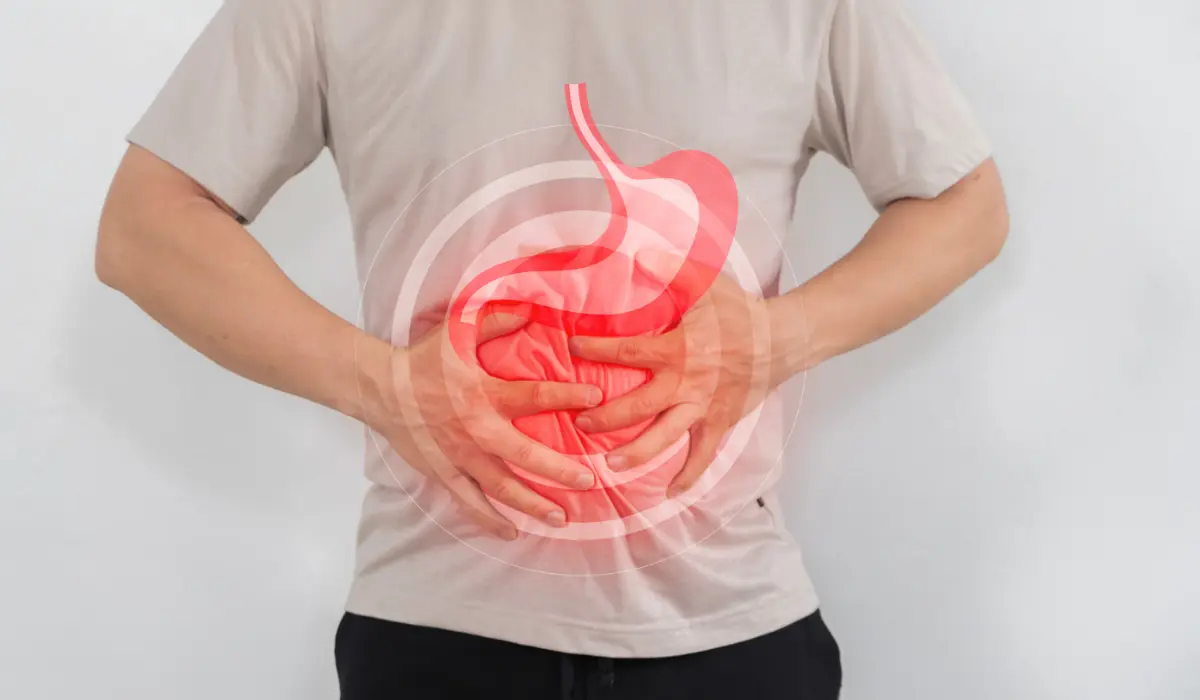

Sudden explosive diarrhea causes can include food poisoning, stomach viruses, contaminated water, medication side effects, food intolerance, stress-related bowel changes, or an underlying digestive condition. It usually means stool becomes very loose or watery and comes with strong urgency.
A single episode may happen after something you ate, but repeated watery diarrhea can quickly lead to dehydration. Diarrhea may be mild and short-lived, but it can also signal infection or another health problem when it lasts, worsens, or comes with fever, blood, severe pain, or weakness.
What Does Sudden Explosive Diarrhea Mean?
Sudden explosive diarrhea is not a formal diagnosis. It is a common way people describe diarrhea that starts quickly, feels forceful, and is difficult to control.
It may happen with stomach cramps, bloating, nausea, gas, urgency, sweating, or a sudden need to use the bathroom. The key question is not only how strong it feels, but also what caused it and whether warning signs are present.
Common Causes of Sudden Explosive Diarrhea
Food Poisoning
Food poisoning is one of the most common causes of sudden watery diarrhea. It can happen after eating or drinking something contaminated with bacteria, viruses, parasites, or toxins.
Symptoms may include diarrhea, stomach pain, cramps, nausea, vomiting, and fever. Depending on the germ, symptoms can begin within hours or take a few days to appear.
Stomach Virus
A stomach virus, often called viral gastroenteritis, can cause sudden diarrhea, nausea, vomiting, body aches, and stomach cramps. It can spread through contaminated surfaces, food, water, or close contact with an infected person.
Viral diarrhea often improves with rest and fluids, but dehydration can happen if fluid loss is heavy or vomiting makes drinking difficult.
Contaminated Water or Parasites
Parasites can cause watery diarrhea that may last longer than a typical stomach bug. This is more likely after travel, untreated water exposure, camping, swimming in contaminated water, or eating contaminated produce.
Some parasite-related diarrhea can come and go, making it easy to confuse with food poisoning or irritable bowel symptoms.
Food Intolerance or Sensitivity
Some people get sudden diarrhea after eating foods their body does not digest well. Lactose intolerance, high-fat meals, artificial sweeteners, spicy foods, excess caffeine, or alcohol can trigger urgent loose stools.
This type of diarrhea often happens after eating and may improve when the trigger food is avoided.
Medication Side Effects
Certain medicines can cause diarrhea. Antibiotics are a common example because they can disturb the balance of bacteria in the gut. Magnesium supplements, some diabetes medicines, antacids, laxatives, and certain heart or cancer medications may also cause loose stools.
Severe diarrhea after antibiotics should be discussed with a healthcare provider, especially if it is watery, frequent, or linked with fever or abdominal pain.
IBS or Digestive Conditions
Irritable bowel syndrome can cause sudden urgency, cramping, and diarrhea, especially during stress or after trigger foods. Inflammatory bowel disease, gallbladder problems, celiac disease, and other digestive disorders can also cause repeated diarrhea.
If sudden diarrhea keeps returning, the pattern matters. A doctor may ask about stool changes, pain, weight loss, bleeding, diet, stress, travel, and medication use.
Symptoms That May Come With Sudden Diarrhea
Sudden diarrhea may appear with:
- Stomach cramps
- Nausea or vomiting
- Bloating and gas
- Fever
- Chills
- Urgency
- Weakness
- Loss of appetite
- Dehydration symptoms
Foodborne illness can range from mild to serious. Severe symptoms may include bloody diarrhea, diarrhea lasting more than three days, high fever, frequent vomiting, and dehydration.
What to Do at Home?
The first step is replacing fluids. Water helps, but diarrhea can also cause loss of salts and minerals. Oral rehydration solutions or electrolyte drinks may help replace lost fluids and electrolytes.
Eat bland, easy-to-digest foods when you can tolerate them. Rice, toast, bananas, applesauce, crackers, soup, and boiled potatoes may be easier on the stomach. Avoid alcohol, greasy foods, heavy dairy, and very spicy meals until symptoms improve.
Do not rush to take anti-diarrhea medicine if you have fever, blood in stool, or suspected severe infection. In those cases, medical advice is safer.
When to Seek Medical Help?
Contact a healthcare provider if diarrhea does not improve after two days, if you become dehydrated, or if you have severe abdominal or rectal pain, bloody or black stools, or fever. Young children, older adults, pregnant people, and people with weakened immune systems should seek care earlier.
Seek urgent help if you have confusion, fainting, very little urination, severe weakness, repeated vomiting, severe belly pain, signs of dehydration, or stool with blood or pus.
Prevention and Safety Tips
Wash hands well after using the bathroom and before preparing food. Cook meat, poultry, seafood, and eggs properly. Keep raw foods away from ready-to-eat foods, refrigerate leftovers quickly, and avoid drinking untreated water.
When traveling, be careful with raw produce, ice, street foods, and water from uncertain sources. At home, clean cutting boards, wash produce, and avoid eating foods that smell spoiled or were left out too long.
Final Thoughts
Sudden explosive diarrhea can happen from food poisoning, stomach viruses, food intolerance, medications, parasites, stress, or digestive conditions. Many cases improve with fluids, rest, and gentle foods.
The main risk is dehydration. Pay close attention to symptoms that are severe, prolonged, bloody, or linked with fever or weakness. If diarrhea keeps returning or feels unusual for your body, medical guidance can help find the real cause.
FAQs
Common causes include food poisoning, stomach viruses, contaminated water, parasites, food intolerance, medication side effects, stress, IBS, or another digestive condition.
Yes. Food poisoning can cause sudden watery diarrhea, cramps, nausea, vomiting, and fever. Symptoms may start within hours or days after contaminated food.
Many mild cases improve within one to three days. Diarrhea lasting more than two days in adults should be checked, especially with dehydration.
Sip water, oral rehydration solution, broth, or electrolyte drinks. Small frequent sips can help if nausea makes it hard to drink normally.
It can be serious with blood, black stool, fever, severe pain, dehydration, confusion, frequent vomiting, weakness, or diarrhea lasting more than two days.
Yes. Stress can affect bowel movement and trigger urgent diarrhea in some people, especially those with IBS or sensitive digestion.
Reference
- NIDDK – Symptoms and Causes of Diarrhea
(NIDDK) - MedlinePlus – Diarrhea
(MedlinePlus)