Mixed hyperlipidemia is a blood fat disorder where more than one type of lipid is higher than normal. Most often, it means a person has high LDL cholesterol, high total cholesterol, and high triglycerides at the same time.
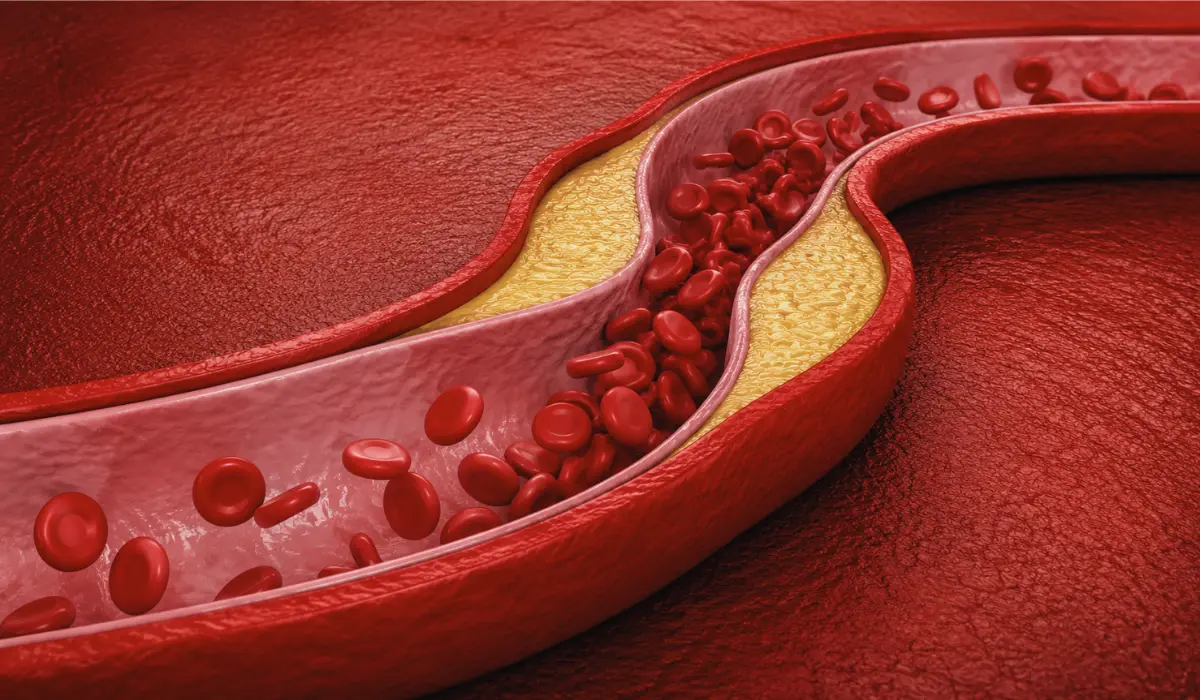
This condition matters because high LDL cholesterol and triglycerides can contribute to fatty buildup in the arteries. Over time, this may increase the risk of heart disease, stroke, and other circulation problems. The American Heart Association notes that high triglycerides combined with high LDL or low HDL cholesterol is linked with fatty buildup in artery walls.
What Lipids Are Usually High?
A lipid panel usually checks total cholesterol, LDL cholesterol, HDL cholesterol, and triglycerides. In mixed hyperlipidemia, more than one result may be abnormal.
| Lipid Marker | What It Means | Common Healthy or Risk Range |
|---|---|---|
| Total cholesterol | Overall cholesterol level in blood | CDC lists about 150 mg/dL as optimal; 240 mg/dL or more is high. |
| LDL cholesterol | “Bad” cholesterol linked with artery plaque | About 100 mg/dL is considered optimal by CDC. |
| HDL cholesterol | “Good” cholesterol that helps remove cholesterol | Higher HDL is generally better. |
| Triglycerides | Blood fats used for energy storage | Less than 150 mg/dL is healthy; 200–499 mg/dL is high; 500 mg/dL or more is very high. |
What Causes Mixed Hyperlipidemia?
Mixed hyperlipidemia can be primary or secondary. Primary means it is linked to inherited genetic patterns. Secondary means it develops because of another condition or lifestyle factor.
One inherited form is called familial combined hyperlipidemia. MedlinePlus describes it as a disorder passed down through families that causes high blood cholesterol and triglyceride levels.
Secondary causes may include type 2 diabetes, obesity, insulin resistance, hypothyroidism, kidney disease, liver disease, high alcohol intake, a diet high in saturated fat or refined carbohydrates, and lack of regular physical activity.
Certain medications may also affect lipid levels. These can include some steroids, diuretics, beta-blockers, hormone therapies, and some HIV or psychiatric medicines. A doctor can review the full medication list if lipid numbers suddenly change.
Symptoms Of Mixed Hyperlipidemia
Mixed hyperlipidemia often has no symptoms. Many people only find out after a routine blood test. The CDC notes that high cholesterol usually has no symptoms, so a blood test is needed to check levels.
However, long-term untreated lipid problems can contribute to atherosclerosis, which means plaque buildup in the arteries. This may increase the risk of chest pain, heart attack, stroke, and peripheral artery disease.
Very high triglycerides, especially 500 mg/dL or above, can also raise concern for pancreatitis. Pancreatitis may cause severe upper abdominal pain, nausea, vomiting, and urgent medical symptoms.
Who Is At Higher Risk?
A person may have a higher risk of mixed hyperlipidemia if they have a family history of high cholesterol, early heart disease, diabetes, obesity, high blood pressure, or metabolic syndrome.
Risk may also increase with smoking, low physical activity, frequent alcohol use, and a diet high in fried foods, processed meats, sugary drinks, sweets, and refined carbohydrates.
Age can also play a role because cholesterol levels often rise over time. However, inherited lipid disorders can appear earlier in life, even in younger adults.
How Is Mixed Hyperlipidemia Diagnosed?
Mixed hyperlipidemia is diagnosed with a blood test called a lipid panel. This test measures total cholesterol, LDL cholesterol, HDL cholesterol, and triglycerides.
A healthcare provider may also check blood sugar, A1C, thyroid function, liver function, kidney function, weight, blood pressure, medication history, and family history.
Diagnosis is not based on one number alone. Doctors usually look at the full lipid pattern and the person’s overall risk of heart attack or stroke.
Treatment Options For Mixed Hyperlipidemia
Treatment depends on the person’s cholesterol numbers, triglyceride level, age, family history, diabetes status, blood pressure, smoking history, and previous heart disease.
Lifestyle changes are usually the first step. These include eating more vegetables, fruits, beans, whole grains, nuts, and fish while reducing saturated fat, trans fat, processed foods, sugary drinks, and excess alcohol.
Exercise can also help. Most adults benefit from regular aerobic activity, strength training, and weight management when needed. Even modest weight loss may improve triglycerides and insulin resistance.
Medication may be needed when lifestyle changes are not enough or when heart risk is high. Common options include statins, ezetimibe, PCSK9 inhibitors, fibrates, and prescription omega-3 medicines. Mayo Clinic notes that treatment may include medication along with healthy lifestyle changes to lower heart attack and stroke risk.
Diet Tips For Mixed Hyperlipidemia
A heart-friendly eating pattern may help improve both cholesterol and triglycerides. Focus on fiber-rich foods such as oats, beans, lentils, vegetables, fruits, and whole grains.
Also, choose healthier fats from olive oil, avocado, nuts, seeds, and fatty fish. Meanwhile, limit butter, high-fat dairy, processed meats, fried foods, pastries, and packaged snacks.
For high triglycerides, reducing sugar, sweet drinks, white bread, refined carbs, and alcohol can be especially important. Triglycerides often respond strongly to carbohydrate quality, alcohol intake, weight, and blood sugar control.
When To See A Doctor?
You should speak with a healthcare provider if your lipid panel shows high LDL cholesterol, high triglycerides, low HDL cholesterol, or repeated abnormal results.
Seek urgent medical care if you have chest pain, shortness of breath, sudden weakness, trouble speaking, severe abdominal pain, or symptoms of a heart attack, stroke, or pancreatitis.
People with diabetes, kidney disease, thyroid disease, high blood pressure, smoking history, or family history of early heart disease should also ask how often they need lipid testing.
Final Thoughts
Mixed hyperlipidemia means cholesterol and triglycerides are both higher than they should be. It is important because the combination can raise the risk of plaque buildup, heart disease, stroke, and other complications.
The good news is that mixed hyperlipidemia can often be managed. A lipid panel, lifestyle changes, treatment of underlying causes, and medication when needed can help lower risk and protect long-term heart health.
FAQs
Not exactly. High cholesterol may involve only cholesterol, while mixed hyperlipidemia usually means both cholesterol and triglycerides are elevated.
Yes, it can be serious if untreated. Over time, high LDL cholesterol and triglycerides may increase the risk of heart disease and stroke.
It may not always be cured, especially if genetic. However, it can often be controlled with diet, exercise, weight management, and medication.
Limit fried foods, processed meats, butter, high-fat dairy, sugary drinks, sweets, refined carbohydrates, and excess alcohol, especially if triglycerides are high.
A lipid panel is the main test. It measures total cholesterol, LDL cholesterol, HDL cholesterol, and triglycerides in the blood.
References
1. Centers for Disease Control and Prevention
LDL and HDL Cholesterol and Triglycerides
https://www.cdc.gov/cholesterol/about/ldl-and-hdl-cholesterol-and-triglycerides.html
2. Mayo Clinic
High Cholesterol — Diagnosis and Treatment
https://www.mayoclinic.org/diseases-conditions/high-blood-cholesterol/diagnosis-treatment/drc-20350806
3. American Heart Association
Prevention and Treatment of High Cholesterol
https://www.heart.org/en/health-topics/cholesterol/prevention-and-treatment-of-high-cholesterol-hyperlipidemia