
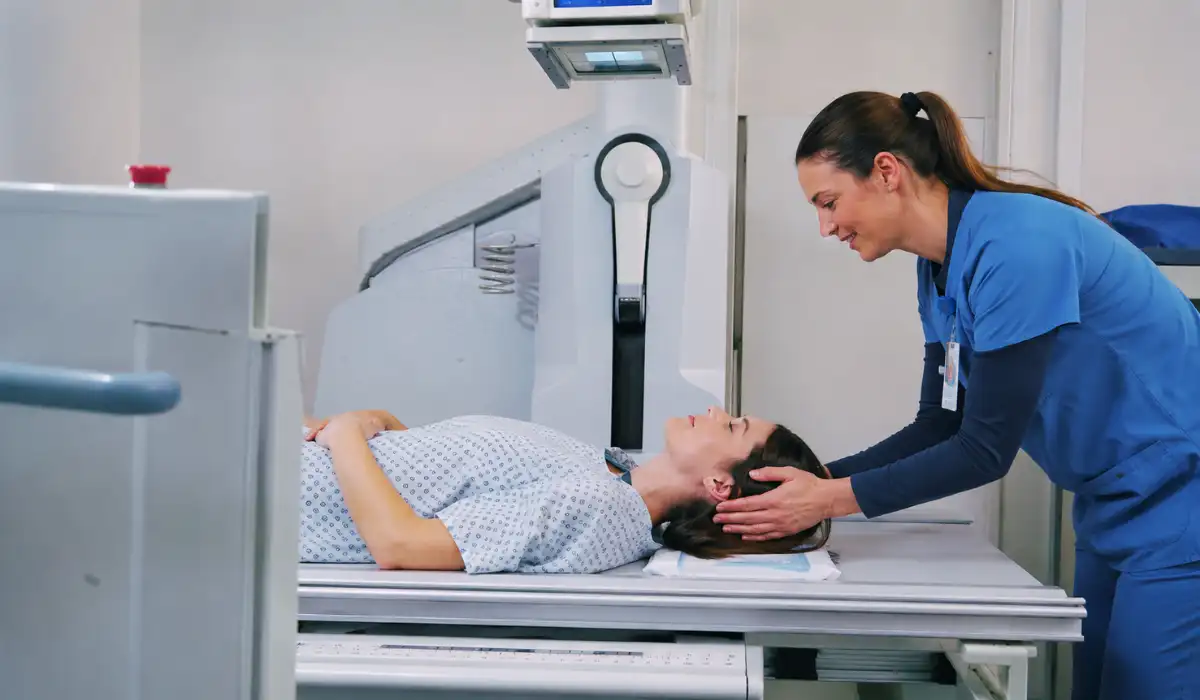
Radiologic technologists, commonly known as radiology techs or radiologic technicians, play a vital role in modern healthcare. These professionals operate imaging equipment such as X-ray machines, CT scanners, and other diagnostic tools that help physicians identify injuries, illnesses, and medical conditions.
As healthcare demand continues to grow, many people considering a career in medical imaging often ask one important question: how much do radiology techs make?
The answer depends on several factors, including education, experience, location, specialty, and workplace setting. While salaries vary across the country, radiology technology remains a rewarding healthcare profession with competitive earning potential and strong job growth prospects.
What Does A Radiology Tech Do?
Radiology techs are healthcare professionals trained to perform diagnostic imaging procedures. They work closely with patients, physicians, and radiologists to obtain clear images that assist in diagnosis and treatment planning.
Common responsibilities include:
- Preparing patients for imaging procedures
- Operating imaging equipment
- Positioning patients correctly
- Following safety and radiation protection guidelines
- Maintaining imaging records
- Assisting physicians during certain procedures
Radiology techs may specialize in areas such as computed tomography (CT), magnetic resonance imaging (MRI), mammography, or interventional radiology, which can influence earning potential.
Approximate Pay For Radiology Techs
Radiology tech pay can vary based on experience, location, workplace, and specialty. In the United States, many radiology techs earn around $60,000 to $90,000 per year on average.
Entry-level techs may start closer to the lower range, while experienced professionals can earn more. Radiology techs with advanced certifications in MRI, CT, mammography, or interventional radiology may earn over $100,000 per year in higher-paying locations or specialized roles.
Factors That Affect Radiology Tech Salaries
Several factors can influence how much a radiology tech earns.
Experience Level
Experience is one of the biggest salary factors. New graduates usually start at entry-level pay rates, while professionals with several years of experience often earn significantly higher wages.
Senior technologists may also take on leadership, training, or supervisory responsibilities that increase compensation.
Geographic Location
Location can have a major impact on salary. Urban areas and regions with higher costs of living often offer higher wages than smaller towns or rural communities.
States experiencing healthcare worker shortages may also provide more competitive compensation packages to attract qualified professionals.
Education And Certifications
Additional certifications can improve earning potential. Specialized credentials in areas such as MRI, CT, mammography, or cardiovascular imaging may qualify technologists for higher-paying positions.
Many employers value advanced certifications because they demonstrate specialized knowledge and expanded clinical skills.
Type Of Employer
Radiology techs work in a variety of healthcare settings, including:
- Hospitals
- Outpatient imaging centers
- Physician offices
- Urgent care facilities
- Specialty clinics
- Mobile imaging services
Hospitals often offer competitive salaries and comprehensive benefits, while specialized imaging centers may provide opportunities for higher compensation in certain modalities.
Highest-Paying Radiology Specialties
Not all radiology careers offer the same earning potential. Some specialties require additional training but may provide higher salaries.
MRI Technologists
MRI technologists operate magnetic resonance imaging equipment and often earn higher wages due to the specialized nature of the work.
CT Technologists
CT technologists perform advanced imaging studies that create detailed cross-sectional images of the body. Additional certification in CT imaging can increase earning potential.
Mammography Technologists
Professionals specializing in breast imaging may earn higher salaries depending on demand and experience.
Interventional Radiology Technologists
These technologists assist physicians during minimally invasive procedures guided by imaging technology. The advanced nature of the work often results in higher compensation.
Job Outlook For Radiology Techs
Radiologic technology continues to be a growing healthcare profession. As the population ages and healthcare services expand, diagnostic imaging remains essential for disease detection, treatment planning, and patient monitoring.
Advances in medical imaging technology are also creating new opportunities for trained professionals. Hospitals and healthcare organizations continue to seek qualified technologists who can operate sophisticated imaging equipment and provide quality patient care.
This strong demand contributes to stable employment opportunities and competitive salaries in many regions.
Benefits Beyond Salary
While salary is important, many radiology techs also value the additional benefits that come with the profession.
These may include:
- Health and dental insurance
- Retirement plans
- Paid vacation and holidays
- Continuing education support
- Flexible scheduling options
- Career advancement opportunities
Many healthcare employers also provide tuition assistance or reimbursement programs for technologists pursuing advanced certifications.
Is Radiologic Technology A Good Career Choice?
For individuals interested in healthcare, technology, and patient interaction, radiologic technology can be an excellent career path. The profession offers a combination of job stability, meaningful patient care, and opportunities for specialization.
Unlike some healthcare careers that require many years of education, radiology tech programs can often be completed in a relatively shorter timeframe while still leading to a rewarding profession.
The ability to advance into specialized imaging fields further enhances long-term career growth and earning potential.
Conclusion
Radiology techs play an essential role in healthcare by producing diagnostic images that help physicians make accurate medical decisions. Salaries vary based on experience, location, certifications, and workplace setting, but the profession generally offers competitive pay and strong job security.
In the United States, many radiology techs earn approximately $60,000 to $90,000 per year, while experienced professionals and those with advanced certifications in MRI, CT, mammography, or interventional radiology may earn $100,000 or more annually.
With growing demand for medical imaging services and opportunities for specialization, radiologic technology remains an attractive career choice for individuals seeking a stable, rewarding, and well-compensated healthcare profession.
Frequently Asked Questions
Radiology techs in the United States typically earn between $60,000 and $90,000 per year, with many experienced professionals and specialists earning over $100,000 annually depending on location and certifications.
Yes. As radiology techs gain experience and take on additional responsibilities, their salaries often increase over time.
Specialties such as MRI, CT, and interventional radiology often offer higher earning potential because they require advanced training and certifications.
Yes. Additional certifications in MRI, CT, mammography, or other imaging specialties can help qualify radiology techs for higher-paying positions.
Radiologic technology is considered a stable healthcare career with strong demand, advancement opportunities, and competitive compensation.
Radiology techs work in hospitals, imaging centers, physician offices, urgent care facilities, and specialty clinics, with salaries varying by workplace setting.