
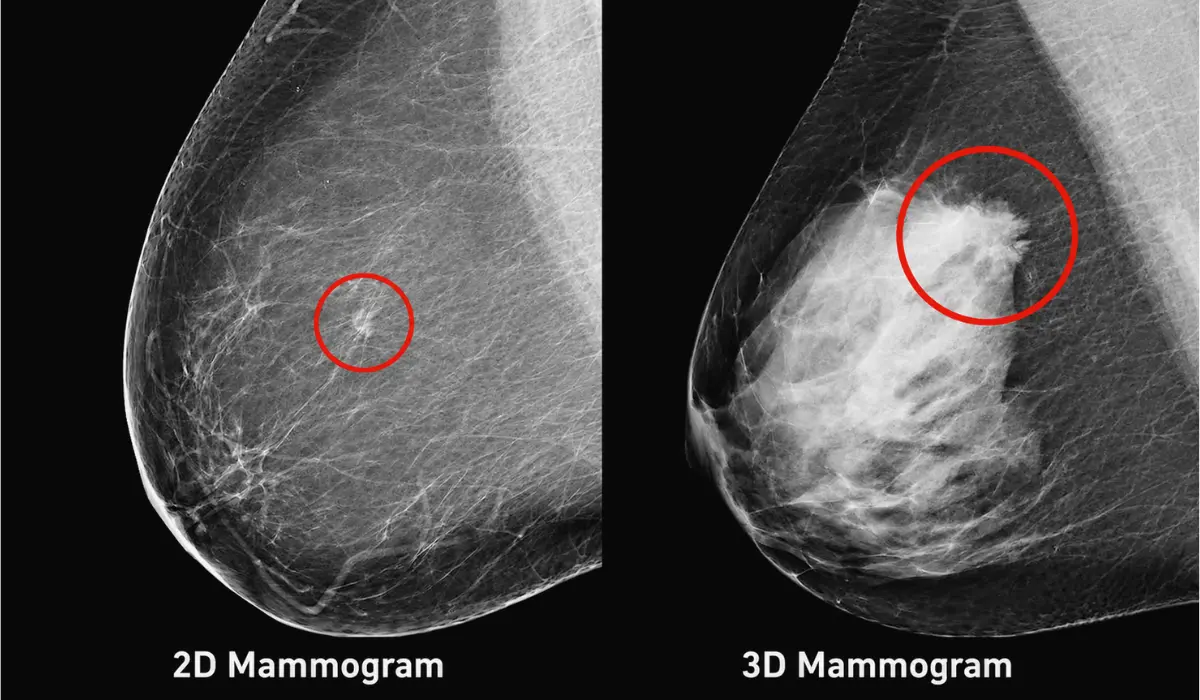
Early detection of breast abnormalities is vital for effective treatment. Mammograms are standard screening tools that help identify potential issues in breast tissue before symptoms appear. Among the options, bilateral mammograms and 3D mammograms are commonly recommended, each with unique advantages.
Understanding the differences between them can help patients make informed decisions in consultation with their healthcare provider. These imaging techniques are designed to detect changes in breast tissue that may indicate cancer or other conditions.
While both types aim to provide accurate screening, they differ in method, image detail, and how radiologists interpret the results. This guide explores their distinctions and considerations for choosing the right option.
What Is A Bilateral Mammogram?
A bilateral mammogram is a traditional 2D mammogram that captures X-ray images of both breasts. Each breast is imaged from two standard angles to provide comprehensive coverage. This method allows radiologists to compare both sides, helping to identify any unusual changes or asymmetries.
The procedure is typically quick, non-invasive, and widely available in most imaging centers. While it has been the standard for decades, its effectiveness may be slightly limited in detecting very small tumors, especially in dense breast tissue, compared to newer imaging techniques like 3D mammography.
What Is A 3D Mammogram?
A 3D mammogram, also called digital breast tomosynthesis, captures multiple X-ray images of the breast from different angles. These images are then reconstructed into a layered, three-dimensional view. This provides a clearer picture of overlapping tissues, which can improve the detection of small tumors and reduce false positives.
Patients with dense breast tissue, prior abnormal results, or higher risk factors may benefit from 3D mammography. Although the procedure takes a bit longer than a traditional bilateral mammogram, it offers more detailed imaging that can help radiologists make more accurate diagnoses.
Key Differences Between Bilateral And 3D Mammograms
The main difference lies in image quality and detail. Bilateral mammograms produce two-dimensional images that may sometimes hide small abnormalities behind overlapping tissue. On the other hand, 3D mammograms provide multiple layers of imaging, which makes it easier to detect subtle changes in breast tissue.
Another difference is in follow-up rates. Studies have shown that 3D mammography can reduce the need for additional imaging or callbacks, lowering patient anxiety and improving efficiency. However, 3D mammograms may be slightly more expensive and not universally available in all clinics.
Benefits And Considerations
Bilateral Mammogram:
- Quick, widely available, and usually covered by insurance.
- Provides basic screening for all women over 40 or with risk factors.
3D Mammogram:
- Improved detection rates, especially in dense breasts.
- May reduce false positives and unnecessary additional tests.
Patients should discuss their personal risk factors, family history, and previous imaging results with their healthcare provider. Together, they can determine which screening method is most appropriate based on individual needs.
Choosing The Right Screening Method
Selecting between a bilateral mammogram and a 3D mammogram depends on breast density, personal risk, and screening goals. For average-risk patients, a bilateral mammogram may be enough for routine screening. Women with dense breast tissue or family history may benefit from the clearer image detail of a 3D mammogram.
Patients should also consider cost, comfort, availability, and Mammogram Duration before scheduling. Some clinics offer both options, so a physician’s advice and insurance coverage can help guide the right choice.
Advances In Mammogram Technology
Breast imaging continues to evolve, offering new tools to improve early detection. Recent advancements focus on increasing accuracy, reducing discomfort, and providing more personalized screening options.
For example, some clinics now combine 3D mammography with computer-aided detection (CAD) software, helping radiologists identify subtle changes that might be missed by the human eye alone. In addition, emerging techniques such as contrast-enhanced mammography and AI-assisted imaging are beginning to complement traditional screenings.
These innovations aim to lower false positives and provide clearer insights, especially for women with dense or complex breast tissue. Staying informed about these options allows patients to discuss the latest screening choices with their healthcare provider.
Preparing For Your Mammogram
Preparation can make any mammogram more comfortable and effective. Wearing a two-piece outfit allows easy access to the breast area. Avoid using deodorants, powders, or lotions on your underarms or chest on the day of the exam, as these can interfere with imaging.
Bringing previous mammogram images, if available, is helpful. Sharing medical history, prior surgeries, or implants with the technician ensures accurate imaging. Planning ahead can reduce stress and make the experience smoother for both patients and staff.
Understanding Your Results
After a mammogram, a radiologist reviews the images for any unusual changes. Most results are routine, showing no issues, but sometimes additional imaging or follow-up may be recommended. Understanding results helps patients take the next steps with confidence.
If further tests are needed, it does not automatically indicate cancer. Follow-up imaging or consultations allow doctors to clarify findings. Asking questions and discussing results with your healthcare provider helps patients understand the implications and make informed decisions.
Tips For Regular Breast Health
Regular screenings are just one part of maintaining breast health. Lifestyle factors like a balanced diet, exercise, and limiting alcohol can reduce risk. Self-awareness, including checking for unusual changes, complements professional screenings.
Consistency in screening is important, especially for women over 40 or those with a family history of breast cancer. Combining routine mammograms with a healthy lifestyle gives the best chance for early detection and peace of mind.
Conclusion
Choosing the right mammogram is an important decision for maintaining breast health. Both bilateral mammograms and 3D mammograms provide valuable screening, but they differ in image detail, detection accuracy, and follow-up needs. Understanding these differences helps patients make informed choices in consultation with their healthcare provider.
While a bilateral mammogram is widely available and effective for routine screening, a 3D mammogram can offer enhanced clarity, especially for women with dense breast tissue or higher risk factors. Discussing personal risk, medical history, and preferences ensures the best approach for early detection and peace of mind.
FAQs
3D mammograms generally provide more detailed images, especially useful for dense breast tissue, reducing the chance of missing small abnormalities.
Yes, both bilateral and 3D mammograms use low-dose radiation. The exposure is minimal and considered safe for routine screening.
A bilateral mammogram typically takes 15–20 minutes. A 3D mammogram may take slightly longer, around 20–30 minutes, due to multiple image captures.
Coverage varies by provider and location. Many insurance plans now cover 3D mammography for routine screening, but it is best to check before scheduling.
Yes, patients can choose 3D mammograms in future screenings if recommended by their healthcare provider, even if prior screenings were 2D.
References
RadiologyInfo.org
https://www.radiologyinfo.org/en/info/tomosynthesis
Mayo Clinic
https://www.mayoclinic.org/tests-procedures/3d-mammogram/about/pac-20438708
American Cancer Society
https://www.cancer.org/cancer/types/breast-cancer/screening-tests-and-early-detection/american-cancer-society-recommendations-for-the-early-detection-of-breast-cancer.html
American Cancer Society – Breast Density Guide
https://www.cancer.org/cancer/types/breast-cancer/screening-tests-and-early-detection/mammograms/breast-density-and-your-mammogram-report.html