How serious is a heart catheterization is a common question for people who are scheduled for this test or have a loved one preparing for it. The simple answer is that heart catheterization is a serious medical procedure because it involves the heart and blood vessels, but it is also commonly performed and generally safe when done by an experienced care team.
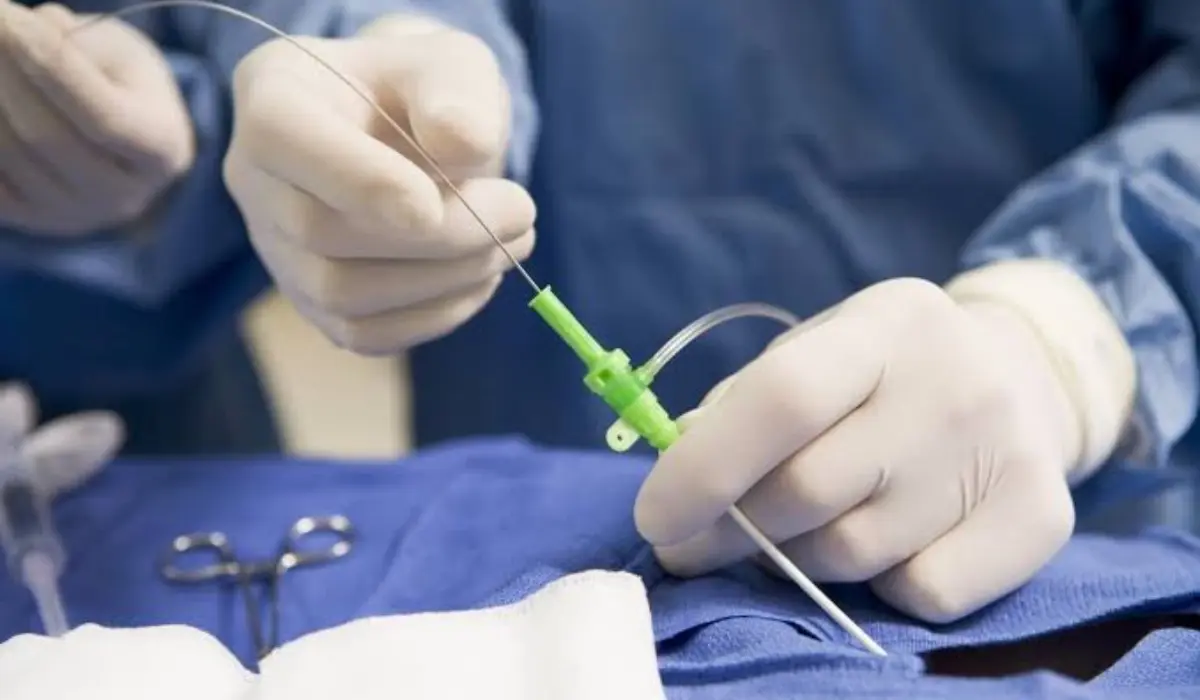
A heart catheterization, also called a cardiac cath, is not the same as open-heart surgery. It is a minimally invasive procedure where a thin tube called a catheter is inserted through a blood vessel, often in the wrist, arm, groin, or neck, and guided toward the heart. It can help doctors diagnose heart problems, check blood flow, measure pressure, and sometimes treat blocked arteries.
What Is a Heart Catheterization?
A heart catheterization is a procedure used to look at how the heart and blood vessels are working. During the procedure, a healthcare professional guides a thin catheter through a blood vessel and into the heart area. Special imaging may be used to show where the catheter is moving.
In some cases, contrast dye is injected through the catheter so the coronary arteries can be seen on X-ray images. This is often called a coronary angiogram. If a blockage is found, a treatment such as angioplasty or stent placement may be performed during the same procedure.
Is Heart Catheterization Considered Serious?
Yes, it should be taken seriously. Any procedure involving the heart, arteries, contrast dye, and possible sedation deserves careful preparation and follow-up. However, serious does not mean unsafe.
The risk of major complications is generally low, and cardiac catheterization is considered relatively safe in appropriate patients. Possible risks still exist, including bleeding, bruising, blood clots, infection, irregular heartbeat, kidney damage, allergic reaction to contrast dye, heart attack, and stroke.
The seriousness also depends on why the procedure is being done. A planned diagnostic heart cath for stable symptoms may carry a different risk than an emergency procedure during a heart attack.
Why Do Doctors Recommend a Cardiac Cath?
Doctors usually recommend a heart catheterization when they need more detailed information about the heart than other tests can provide. It may be used after abnormal results from an ECG, stress test, echocardiogram, or imaging exam.
A cardiac cath may help doctors:
- Check for narrowed or blocked coronary arteries
- Evaluate chest pain or shortness of breath
- Measure pressure inside the heart
- Check heart valve function
- Look for certain congenital heart defects
- Decide whether a stent, bypass surgery, or medication plan is needed
- Open a blocked artery during treatment
It can also help guide important treatment decisions when symptoms or test results suggest a heart condition that needs closer evaluation.
What Happens During the Procedure?
Before the procedure, the care team checks vital signs, reviews medicines, and prepares the catheter insertion area. A local numbing medicine is usually used where the catheter enters the body. Many people also receive medicine to help them relax, but they are often awake during the procedure.
The catheter is then guided through the blood vessel toward the heart. You may feel pressure at the insertion site, but you should not feel sharp pain. If contrast dye is used, some people notice warmth, flushing, nausea, a brief headache, or a metallic taste. These feelings usually pass quickly.
Common Risks and Side Effects
Most side effects are mild and happen around the catheter insertion site. These can include soreness, bruising, tenderness, or minor bleeding.
Other possible risks include:
- Bleeding or bruising
- Infection at the insertion site
- Pain where the catheter was placed
- Allergic reaction to contrast dye
- Irregular heart rhythm
- Low blood pressure
- Blood vessel injury
- Blood clots
- Kidney problems from contrast dye
- Heart attack or stroke, though these are less common
People with kidney disease, diabetes, contrast dye allergy, severe heart disease, older age, or emergency heart problems may have higher risk. This is why doctors review medical history before the procedure.
Is a Heart Cath Painful?
Most people do not describe heart catheterization as very painful. The numbing injection may sting briefly. After that, many patients feel pressure, pulling, or mild discomfort at the insertion site.
Lying still during the procedure can also feel uncomfortable for some people. Afterward, the area may feel sore or bruised for a few days. Strong pain, growing swelling, heavy bleeding, or worsening discomfort should be reported quickly.
Heart Catheterization Recovery
After the procedure, the catheter is removed and pressure is applied to the insertion site to help stop bleeding. You are then monitored in a recovery area. Heartbeat, blood pressure, bleeding, and the puncture site are checked.
Some people go home the same day, while others may stay overnight, especially if they had angioplasty, stent placement, complications, or a more serious heart condition. Recovery instructions depend on the insertion site and the treatment performed.
Many people can drive about 24 hours after leaving the hospital, but strenuous activity, heavy lifting, and sports may need to be avoided for several days. Showering may be allowed after 24 hours, but soaking the puncture site may be restricted for about a week. Always follow the discharge instructions from the care team.
How to Prepare Safely?
Preparation helps reduce risk. The care team may ask you not to eat or drink for several hours before the procedure. They may also give instructions about blood thinners, diabetes medicines, supplements, or other prescriptions.
Tell the care team if you:
- Take blood thinners
- Have diabetes
- Have kidney disease
- Are pregnant or might be pregnant
- Have allergies to contrast dye, iodine, latex, or medicines
- Have had a past reaction to anesthesia or sedation
- Take erectile dysfunction medicines
- Have bleeding problems
You may also need someone to drive you home after the procedure.
When to Seek Medical Help After a Heart Cath?
Call your healthcare provider if you notice fever, dizziness, chest pain, shortness of breath, abnormal heartbeat, growing pain, swelling, bleeding, or discharge at the catheter insertion site. These symptoms may signal a complication that needs attention.
Seek emergency help if the puncture site swells quickly or bleeding does not slow with firm pressure. Also seek urgent care for sudden chest pain, stroke-like symptoms, fainting, severe shortness of breath, or sudden weakness.
Final Thoughts
Heart catheterization is a serious medical procedure because it involves the heart and blood vessels, so it requires proper preparation, monitoring, and careful recovery instructions. At the same time, it is commonly performed and generally safe when handled by an experienced medical team.. At the same time, it is a commonly used procedure that is generally safe when performed by a trained team.
For many patients, the benefit is that it gives doctors clear information about the heart and can sometimes treat a blockage during the same visit. The best approach is to understand the reason for the procedure, ask about your personal risk, follow preparation instructions, and report warning signs during recovery.
FAQs
Heart catheterization is serious because it involves the heart and blood vessels, but major complications are generally uncommon when performed by an experienced medical team.
No. Heart catheterization is not open-heart surgery. It is a minimally invasive procedure done through a blood vessel in the wrist, arm, groin, or neck.
Possible risks include bleeding, bruising, infection, contrast dye reaction, irregular heartbeat, kidney problems, blood vessel injury, heart attack, stroke, or blood clots.
Recovery varies. Many people resume light activities soon, but heavy lifting, sports, and strenuous activity may be restricted for several days.
Many people stay awake but receive medicine to relax. Local numbing medicine is used near the catheter insertion site to reduce pain.
Call for fever, dizziness, chest pain, shortness of breath, abnormal heartbeat, swelling, bleeding, discharge, or worsening pain at the insertion site.
Reference
- MedlinePlus – Cardiac Catheterization
https://medlineplus.gov/ency/article/003419.htm - NHLBI – During Cardiac Catheterization
https://www.nhlbi.nih.gov/health/cardiac-catheterization/during