Eating more foods rich in magnesium and potassium can support your body in many important ways. These minerals help with muscle function, nerve signals, heart rhythm, fluid balance, blood pressure support, and daily energy use.
Many whole foods naturally provide both minerals. Leafy greens, beans, lentils, nuts, seeds, avocados, potatoes, bananas, yogurt, and whole grains are some of the best magnesium-rich foods and potassium-rich foods to include in a balanced diet.
Why Foods Rich in Magnesium and Potassium Matter?
Magnesium helps your body support normal muscle and nerve function. It also plays a role in bone strength, energy production, blood sugar balance, and heart health.
Potassium helps balance fluids in the body and supports normal blood pressure. It also helps muscles contract properly, including the heart muscle. Getting enough of both minerals from food can support overall wellness.
Best Foods Rich in Magnesium and Potassium
Some foods give you both magnesium and potassium in one serving. These foods are useful because they improve your mineral intake while also giving fiber, vitamins, antioxidants, and plant-based nutrients.
Good choices include spinach, Swiss chard, black beans, lentils, chickpeas, edamame, avocado, potatoes, sweet potatoes, pumpkin seeds, almonds, cashews, quinoa, oats, yogurt, bananas, and dark chocolate.
Leafy Greens High in Magnesium and Potassium
Leafy greens are among the best foods rich in magnesium and potassium. Spinach, Swiss chard, beet greens, kale, and collard greens can fit easily into meals.
You can add greens to soups, eggs, smoothies, rice bowls, curries, pasta, and salads. Cooked greens shrink in volume, so they make it easier to eat a larger serving without feeling too full.
Beans and Lentils Rich in Magnesium and Potassium
Beans and lentils are excellent foods high in magnesium and potassium. Black beans, kidney beans, white beans, pinto beans, chickpeas, soybeans, and lentils are affordable and filling.
They also provide fiber and plant-based protein. Add them to soups, wraps, tacos, salads, curries, grain bowls, and stews. Lentils cook faster than many beans and work well for quick meals.
Nuts and Seeds High in Magnesium
Nuts and seeds are some of the best magnesium-rich foods. Pumpkin seeds, chia seeds, flaxseeds, almonds, cashews, peanuts, and sunflower seeds can increase the mineral value of snacks and meals.
Add seeds to oatmeal, yogurt, smoothies, or salads. Use nuts as a small snack or mix them into trail mix. Keep portions moderate because nuts and seeds are nutrient-rich but also calorie-dense.
Avocados for Magnesium and Potassium
Avocados provide potassium, magnesium, fiber, and healthy fats. They are a good choice for people who want a creamy and filling food that also supports mineral intake.
You can add avocado to toast, wraps, salads, rice bowls, eggs, and smoothies. It pairs well with beans, leafy greens, tomatoes, whole grains, and lean proteins.
Potatoes and Sweet Potatoes High in Potassium
Potatoes and sweet potatoes are well-known potassium-rich foods. They also provide some magnesium, especially when eaten with the skin.
Choose baked, boiled, steamed, or roasted potatoes instead of deep-fried options. Pair them with beans, yogurt, vegetables, or greens to create a more balanced meal rich in minerals.
Whole Grains Rich in Magnesium
Whole grains can help increase magnesium intake. Oats, quinoa, brown rice, whole wheat, barley, buckwheat, and millet are good options.
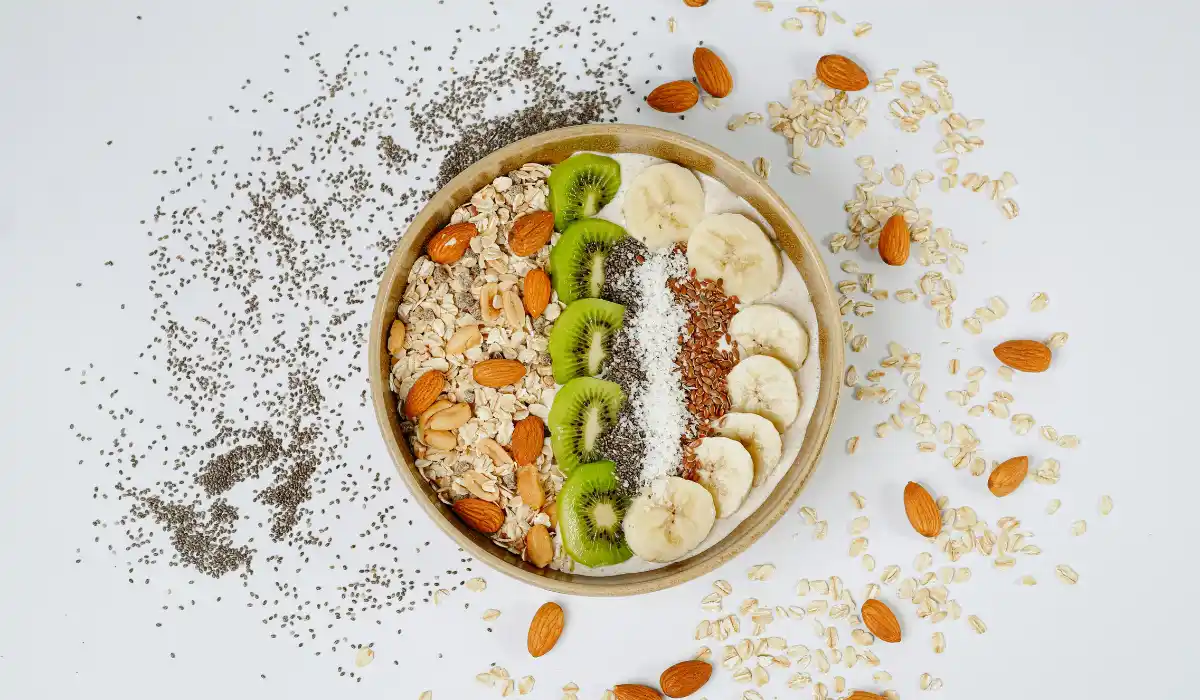
Oatmeal with banana, chia seeds, and almonds is a simple breakfast rich in magnesium and potassium. Quinoa also works well in salads, bowls, and side dishes.
Fruits High in Potassium
Fruits are easy ways to add potassium to your diet. Bananas are popular, but they are not the only option. Oranges, kiwi, cantaloupe, apricots, prunes, dates, and dried figs also provide potassium.
Fruit works well as a snack or breakfast addition. Add banana to oatmeal, kiwi to yogurt, or orange slices to salads. Use dried fruit in small portions because it is more concentrated.
Yogurt and Dairy Foods With Potassium
Milk and yogurt can provide potassium, protein, and other nutrients. Plain yogurt is a simple food that can fit into breakfast, snacks, and savory meals.
Choose unsweetened yogurt when possible. Add nuts, seeds, oats, or fruit to increase both magnesium and potassium. Greek yogurt also provides more protein than regular yogurt.
Fish and Other Protein Foods
Some fish, including salmon and tuna, can provide potassium along with protein and healthy fats. Fish can be part of a balanced eating pattern when eaten in moderate amounts.
Plant proteins such as tofu, tempeh, edamame, lentils, and beans can also help increase magnesium and potassium. These foods are useful for people who want more plant-based meals.
Dark Chocolate
Dark chocolate can provide magnesium, especially when it contains a higher amount of cocoa. It also contains plant compounds called flavonoids.
However, dark chocolate should be eaten in small portions. It can be high in calories, fat, and added sugar. It can support magnesium intake, but it should not replace whole foods like greens, beans, nuts, and seeds.
Easy Meal Ideas With Magnesium and Potassium Foods
A mineral-rich breakfast could include oatmeal with banana, chia seeds, almonds, and plain yogurt. This meal gives you whole grains, fruit, seeds, nuts, and dairy in one bowl.
For lunch or dinner, try a bowl with quinoa, black beans, spinach, avocado, roasted sweet potato, and yogurt-based dressing. This type of meal gives several foods rich in magnesium and potassium at once.
Snack Ideas Using Magnesium-Rich and Potassium-Rich Foods
Simple snacks can also help improve mineral intake. Try a banana with peanut butter, yogurt with pumpkin seeds, trail mix with almonds and dried fruit, or whole-grain toast with avocado.
You can also snack on roasted chickpeas, fruit with nuts, or a smoothie made with spinach, yogurt, banana, and chia seeds. These options are easy, filling, and nutrient-rich.
Who Should Be Careful With High-Potassium Foods?
Most healthy people can get potassium safely from food. However, people with kidney disease may need to limit potassium because the kidneys may not remove extra potassium properly.
Some heart and blood pressure medicines can also affect potassium levels. If your doctor has told you to follow a low-potassium diet, do not increase high-potassium foods without medical advice.
Should You Take Magnesium or Potassium Supplements?
Food is usually the best first choice. Whole foods provide minerals along with fiber, vitamins, and other nutrients that supplements do not provide in the same way.
Do not take potassium supplements unless your healthcare provider recommends them. Magnesium supplements may help some people, but they can cause side effects or interact with medicines. Ask your doctor before starting supplements.
Simple Tips to Eat More Foods Rich in Magnesium and Potassium
- Add spinach or kale to eggs, soups, pasta, and smoothies.
- Use beans or lentils in meals several times a week.
- Choose whole grains such as oats, quinoa, and brown rice.
- Snack on nuts and seeds in small portions.
- Eat potassium-rich fruits such as bananas, oranges, kiwi, and apricots.
- Add avocado, sweet potato, or yogurt to simple meals.
Final Thoughts
Eating more foods rich in magnesium and potassium does not need to be complicated. Leafy greens, beans, lentils, nuts, seeds, whole grains, avocados, potatoes, fruits, yogurt, and fish can all support better mineral intake.
The best approach is variety. Build meals around whole foods, colorful plants, lean proteins, and healthy fats. This can help support heart health, muscle function, nerve function, digestion, and overall wellness.
FAQs
Spinach, beans, lentils, avocado, potatoes, sweet potatoes, pumpkin seeds, almonds, oats, quinoa, yogurt, bananas, and dark chocolate are good choices.
Avocado, banana, kiwi, dried figs, prunes, apricots, oranges, and cantaloupe provide potassium. Avocado also gives a helpful amount of magnesium.
Bananas are high in potassium and contain a small amount of magnesium. For more magnesium, choose pumpkin seeds, almonds, spinach, beans, and oats.
Spinach, Swiss chard, beet greens, potatoes, sweet potatoes, peas, broccoli, and leafy greens can help increase magnesium and potassium intake.
Many people can improve intake through whole foods like greens, legumes, nuts, seeds, fruits, dairy, and whole grains. Some health conditions need medical guidance.
References
- NIH Office of Dietary Supplements
https://ods.od.nih.gov/factsheets/Magnesium-Consumer/. - NCBI Bookshelf
https://www.ncbi.nlm.nih.gov/books/NBK587683/table/usdaddb47.tab2/