
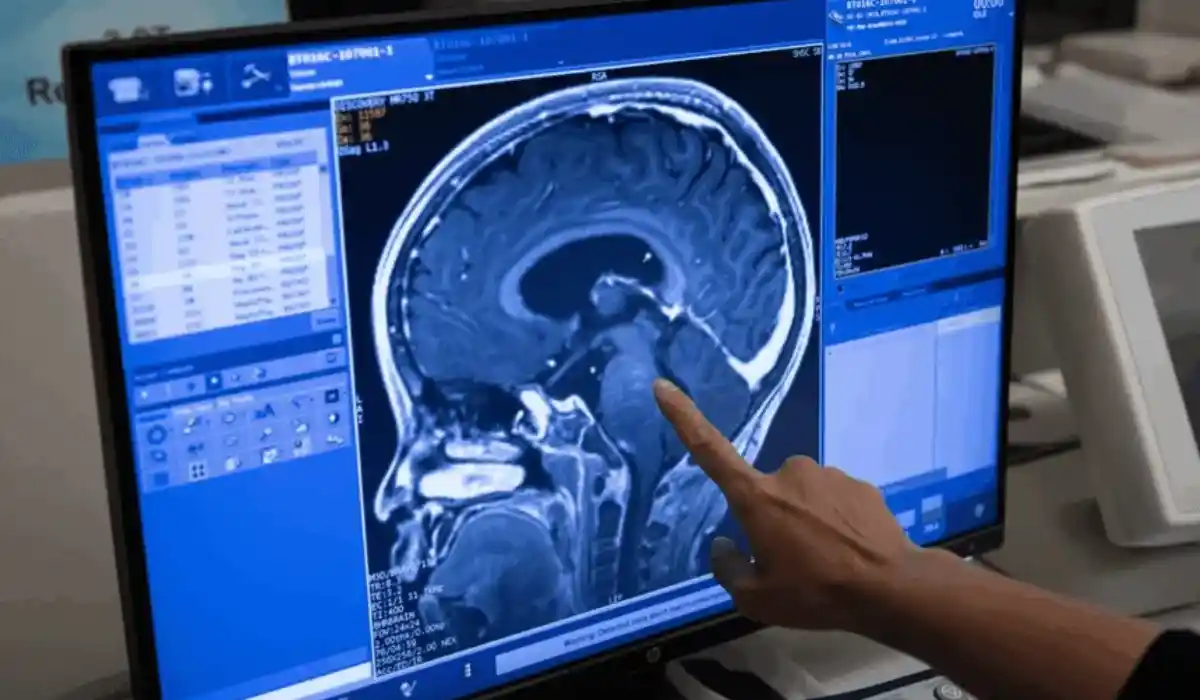
DIPG symptoms can be confusing at first because they often look like common childhood problems such as clumsiness, tiredness, vision trouble, or headache. DIPG stands for diffuse intrinsic pontine glioma, a rare and aggressive brain tumor that starts in the pons, which is part of the brainstem. This area helps control important functions such as eye movement, facial movement, swallowing, balance, breathing, and body coordination.
DIPG mostly affects children, and symptoms can develop quickly because the tumor grows in a sensitive area of the brain. Parents should not panic over one mild symptom, but sudden or worsening neurological changes should always be checked by a doctor.
What Is DIPG?
DIPG is a type of brainstem glioma that forms in the pons. The word “diffuse” means the tumor spreads through the surrounding brain tissue instead of forming a clear, easy-to-remove lump. Because of its location, surgery is usually not a simple treatment option
This tumor can affect nerves and pathways that control movement, facial expressions, speech, swallowing, and coordination. That is why many early signs involve the eyes, face, arms, legs, balance, and speech.
Common DIPG Symptoms in Children
The most common DIPG symptoms include problems with eye movement, double vision, facial weakness, trouble walking, poor balance, weakness in the arms or legs, slurred speech, and difficulty swallowing. Some children may also have headaches, nausea, vomiting, or changes in behavior and school performance.
These symptoms can appear suddenly and may worsen over days or weeks. A child who was walking normally may start stumbling, leaning to one side, or having trouble with coordination. Another child may develop crossed eyes, drooping on one side of the face, or trouble chewing.
Eye Changes and Vision Problems
Eye symptoms are among the most noticeable early signs of DIPG. A child may complain of double vision, blurred vision, or trouble focusing. Parents may notice crossed eyes, unusual eye movement, drooping eyelids, or eyes that do not move together normally.
These changes happen because the pons is close to nerves that control eye movement. Eye problems do not always mean DIPG, but sudden vision changes in a child should never be ignored.
Balance Problems and Trouble Walking
DIPG can affect coordination and movement. Children may become unsteady, trip more often, walk with a wide stance, or seem unusually clumsy. Some may have trouble running, climbing stairs, or keeping balance during normal play.
Balance changes can happen with ear infections, injuries, migraines, or other conditions too. However, balance problems combined with facial weakness, vision changes, speech issues, or vomiting need prompt medical attention.
Facial Weakness and Speech Changes
Facial drooping on one side is another possible DIPG symptom. A child’s smile may look uneven, one eyelid may droop, or one side of the face may appear weaker than the other.
Speech can also change. Some children develop slurred speech, slower speech, or difficulty forming words clearly. Others may have trouble chewing or swallowing because DIPG can affect the cranial nerves involved in mouth, throat, and facial movement.
Headaches, Nausea, and Vomiting
Some children with DIPG experience headaches, especially morning headaches or headaches that improve after vomiting. Nausea and vomiting may also occur when pressure builds inside the brain or when brainstem pathways are affected.
A single headache is common in children and is not usually a sign of DIPG. Parents should seek medical care when headaches are severe, repeated, worse in the morning, linked with vomiting, or combined with weakness, vision changes, or balance problems.
Arm or Leg Weakness
Weakness in the arms or legs can occur, often more on one side of the body. A child may drag a foot, drop objects, struggle with handwriting, or avoid activities that were once easy. St. Jude notes that weakness, abnormal reflexes, and irregular movements can appear in children with DIPG.
These signs point to changes in the nervous system and should be evaluated quickly, especially if they are new or getting worse.
Brain Cancer and DIPG
DIPG is a rare and aggressive type of childhood brain cancer that starts in the brainstem, specifically in an area called the pons. The pons controls important functions such as breathing, heart rate, eye movement, facial movement, walking, talking, and swallowing. Because DIPG grows in such a sensitive part of the brain, even small changes can cause serious symptoms.
Unlike some brain tumors that form a clear mass, DIPG spreads through nearby brain tissue, which makes surgery difficult and treatment more complex. It mostly affects children and often causes symptoms such as double vision, balance problems, facial weakness, slurred speech, swallowing trouble, headaches, nausea, and weakness in the arms or legs.
When Should Parents Seek Medical Care?
Parents should contact a healthcare provider if a child develops sudden or worsening double vision, crossed eyes, facial drooping, trouble walking, slurred speech, swallowing difficulty, limb weakness, severe headaches, or vomiting with neurological changes. NCI notes that DIPG symptoms can also come from other conditions, so a doctor must evaluate the child to find the real cause.
Emergency care is needed if a child has trouble breathing, extreme sleepiness, confusion, repeated vomiting, sudden weakness, seizures, or rapidly worsening symptoms.
How DIPG Symptoms Are Checked?
Doctors usually begin with a physical exam and neurological exam. They may check eye movement, reflexes, strength, walking, coordination, speech, and facial movement. If DIPG or another brain condition is suspected, imaging tests such as MRI are commonly used to look at the brainstem.
Early evaluation matters because DIPG symptoms can progress quickly. Even when the cause is not cancer, sudden neurological symptoms in children should be taken seriously.
Final Thoughts
DIPG symptoms often involve the eyes, face, balance, speech, swallowing, arms, legs, and headaches. The early signs can look small at first, but a pattern of sudden or worsening neurological changes needs medical attention.
Parents do not need to assume the worst, but they should trust their instincts when a child’s movement, speech, vision, or coordination changes quickly. A timely medical evaluation gives the child the best chance to receive the right diagnosis and care.
FAQs
Early DIPG symptoms often include double vision, crossed eyes, balance problems, facial weakness, slurred speech, swallowing trouble, headaches, vomiting, or limb weakness.
Yes. DIPG symptoms can develop quickly and worsen over days or weeks because the tumor grows in the brainstem, a highly sensitive area.
DIPG can cause headaches, especially morning headaches or headaches linked with nausea and vomiting. Headaches with neurological symptoms need medical evaluation.
Yes. Early symptoms may look like clumsiness, vision trouble, tiredness, or common illness, which is why worsening neurological changes should be checked.
DIPG may cause double vision, blurred vision, crossed eyes, abnormal eye movements, drooping eyelids, or eyes that do not move together properly.
Seek medical care if a child has sudden balance issues, facial drooping, slurred speech, swallowing trouble, limb weakness, repeated vomiting, or worsening headaches.
Reference
- National Cancer Institute – Childhood DIPG
https://www.cancer.gov/types/brain/patient/diffuse-intrinsic-pontine-glioma - Cleveland Clinic – Diffuse Intrinsic Pontine Glioma
https://my.clevelandclinic.org/health/diseases/24261-diffuse-intrinsic-pontine-glioma